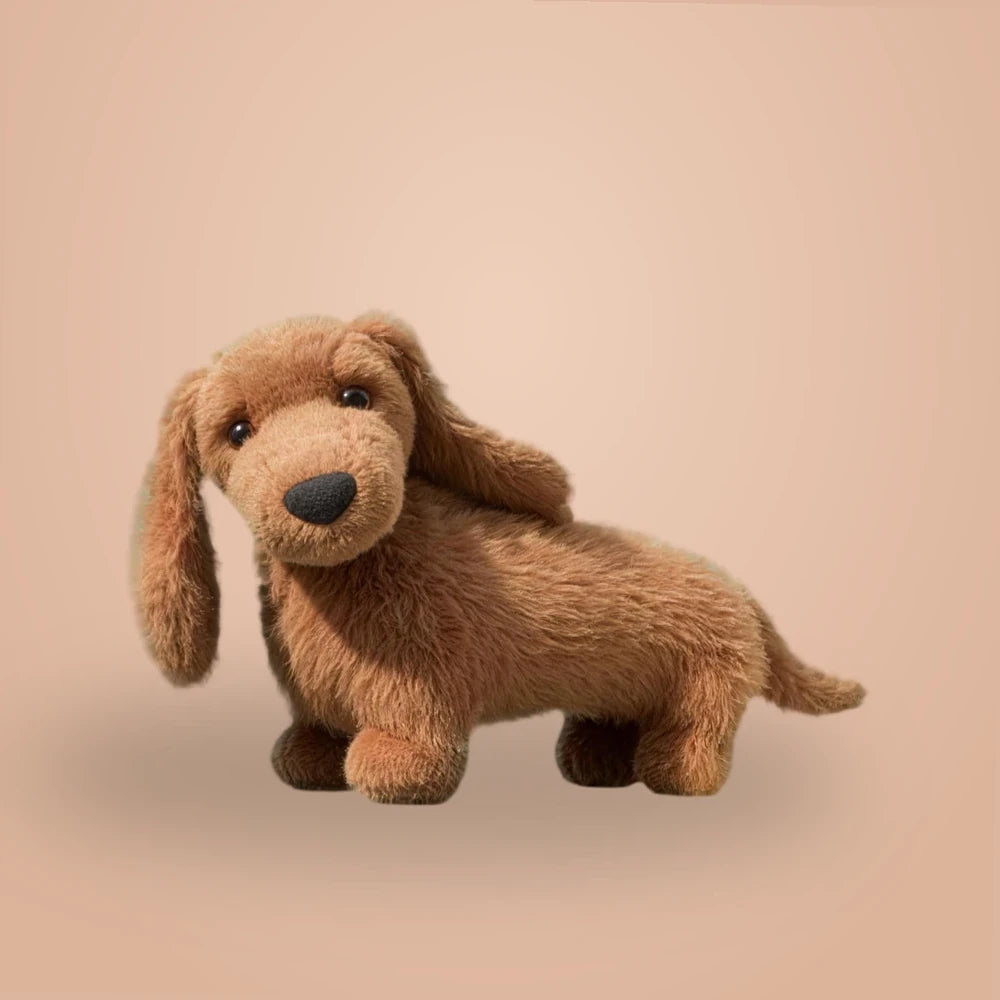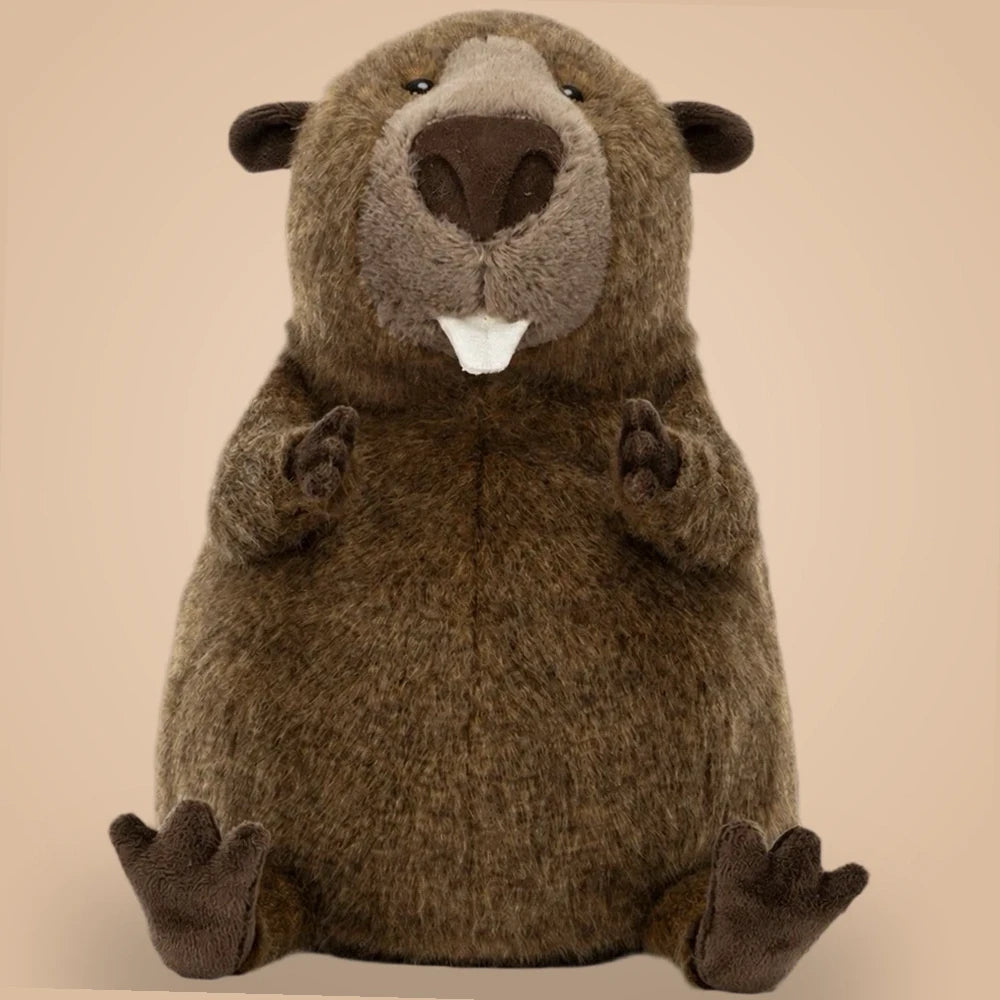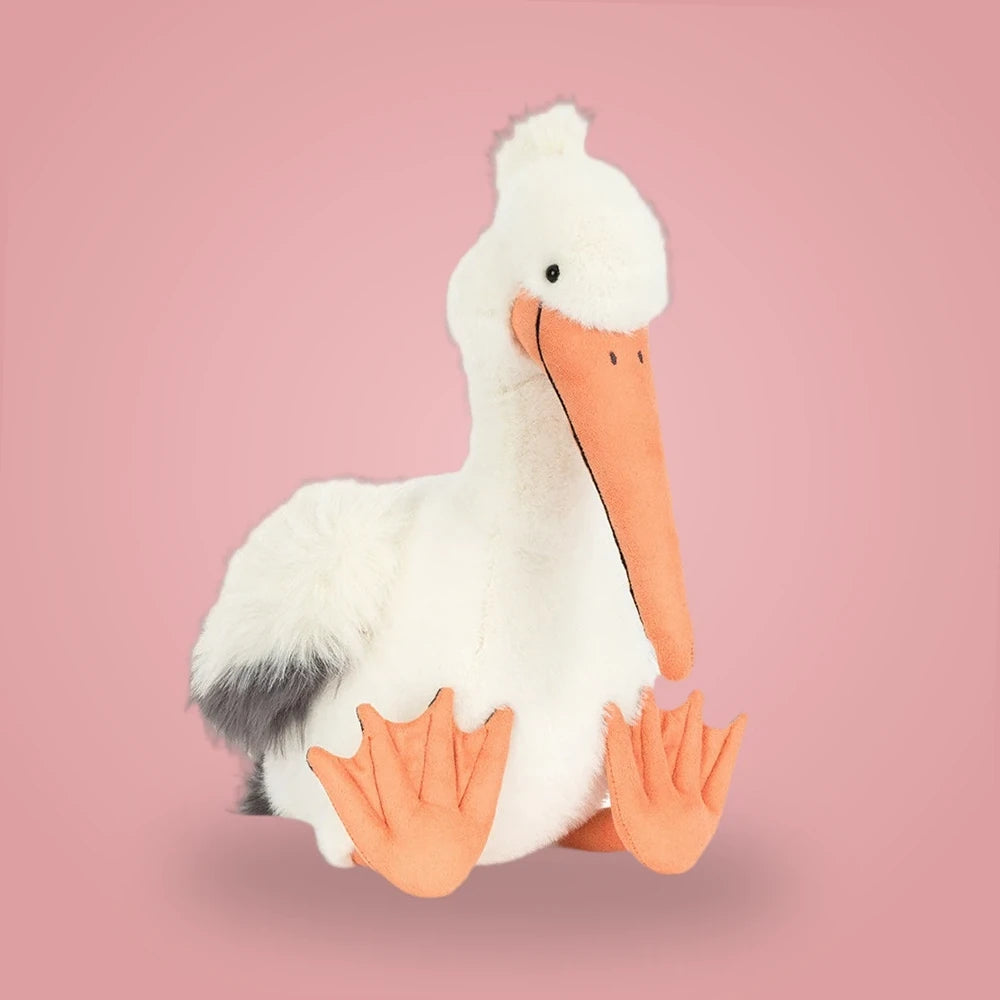
Choosing a plush gift for someone who loves animals can feel simple at first glance, but thoughtful selection goes beyond picking a cute creature. Consider the recipient’s space, daily routines, and the role the plush will play: an accent on a shelf, a bedtime companion, a travel buddy, or a display in a home office. Narrowing the purpose helps rule out options that are too large, prone to matting, or difficult to care for.
Materials, size, and character design directly affect long-term enjoyment. Synthetic fur, chenille, and velour handle differently and attract or hide lint in ways that matter if the recipient keeps pets or lives in a small apartment. This guide focuses on practical decision criteria and common mistakes, offers concrete ideas and checklists, and includes links to product collections, care guidance, and contact channels for further questions.
Start with the Recipient: Personality, Space, and Allergies
First, profile the recipient. Are they someone who displays decorative objects with a strict palette, or do they prefer playful, colorful accents? For a minimalist friend, choose a neutral-toned plush with clean lines; for someone who collects whimsical pieces, a stylized or cartoon-like animal may be better. Consider living situation too: small apartments and shared spaces often benefit from smaller, easily stowed plush toys.
Allergies and pet ownership matter. Plush with dense fibrous fur can trap dander and pet hair, making it less suitable for people with sensitivities. Check the manufacturer’s label and the recipient’s known allergies before buying; if in doubt, opt for fabrics that are known to be low-lint and easy to surface-clean. When you’re unsure about details, consult the product collection page at the Animal Friends collection for options and specifications.
Size and Scale: Matching the Plush to Intended Use
Size changes how a plush will be used. A palm-sized plush works as a keychain or desk decoration; a medium one (about the size of a throw pillow) reads as cozy and huggable without overwhelming a sofa; oversized plush make dramatic statement pieces but demand storage and frequently require special cleaning methods. Think about transportation too: if the gift must travel by plane or public transit, a very large piece could be impractical.
Practical checklist: measure available display space, ask whether the recipient travels with special items, and estimate storage options. If you’re gifting remotely, include a note asking whether they prefer an exchange for a different size—this small gesture avoids awkward returns and keeps the focus on the thought behind the gift.
Materials and Construction: Durability, Texture, and Safety
Plush materials vary widely: smooth velour, shaggy faux fur, plush knit, and microfiber all feel different and wear differently. Consider how the recipient lives—high-traffic homes do better with durable seams and fabrics that resist pilling. Inspect product listings for construction details such as double-stitched seams and securely attached features; these details predict how well a plush will hold up to regular handling.
Safety considerations include securely fastened eyes, embroidered features instead of glued-on plastic parts for households with small children or pets, and internal fillings that won’t shift excessively. Ask questions when in doubt: if the product page lacks information, use the store’s contact link at the contact page to request specifics rather than guessing.
Design and Theme: Matching Interests with Meaning
Think beyond species to theme. Animal lovers often appreciate plush tied to a hobby, cause, or memory—a plush otter for someone who kayaks, a fox for a gardener, or a rescue-themed design for an animal welfare supporter. Limited-edition or artist-designed plush can make meaningful keepsakes, while accurate, anatomically thoughtful designs work well for educational purposes or museum-shop-style gifts.
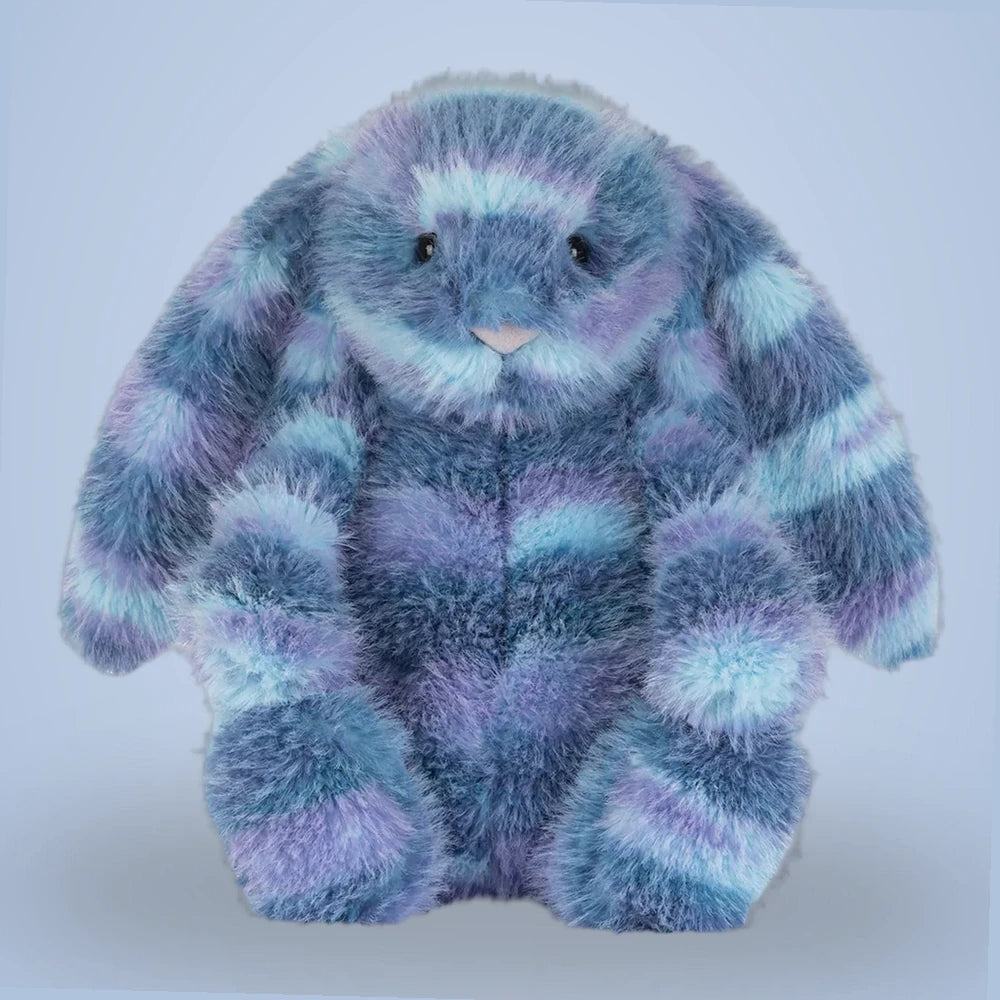
Color and expression matter too. A neutral palette blends into adult decor while bright colors suit younger recipients or collectors who like visual pop. If you want a personal touch, choose a plush whose pose or expression aligns with the recipient’s temperament—playful, contemplative, regal—and consider pairing it with a short handwritten note explaining the connection.
Personalization and Presentation: Small Touches That Matter
Personalization elevates a simple plush into a memorable gift. Options include embroidered names, custom clothing or scarves, or pairing the plush with an accessory that amplifies the theme—like a tiny leash for a plush dog or a miniature field guide for a bird-themed plush. Keep personalization subtle if the recipient prefers low-key items; a discreet tag or a pocket-sized note does the job without altering the plush’s aesthetic.
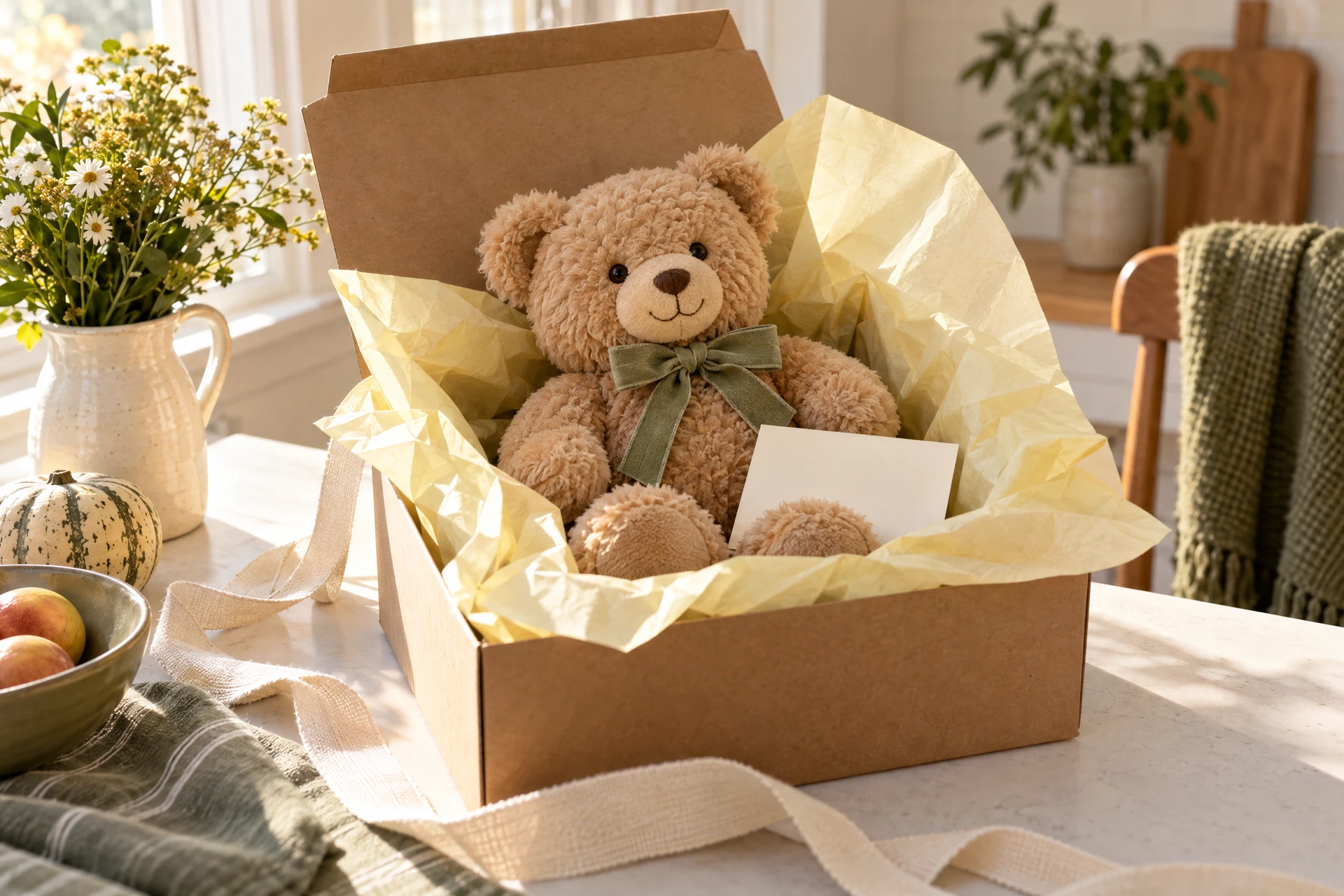
Presentation is equally important. Wrap the plush carefully so it arrives looking tidy—use tissue paper, a box that prevents crushing, and a ribbon that complements the toy’s color. For local pick-up or retail purchases, ask about gift-wrapping services on the relevant product or wholesale pages; if you need bulk or corporate gifting details, the wholesale inquiries contact pathway can provide appropriate information and lead times.
Care Considerations: Cleaning, Storage, and Maintenance
Cleaning instructions vary by fabric and construction, so always follow the label on the item. Many plush require surface cleaning only, while others may tolerate spot cleaning or professional services. A practical starter routine: keep a soft-bristle brush for fluffing fibers, use gentle spot-cleaners for stains, and air out plush occasionally to prevent odors from building up.
Storage matters when the plush isn’t on display. Store in a breathable container away from direct sunlight to avoid fading and fabric breakdown. If you’re sending care guidance with the gift, include the exact label instructions and a short checklist of recommended supplies—soft brush, mild detergent, and a clean towel—so the recipient has a clear plan for upkeep without assuming universal machine washability. More detailed care guidelines are available at our care guide.
Budgeting and Value: Balancing Cost with Longevity
Decide early how much to invest. Premium materials, licensed characters, and artist-made plush generally cost more but can last longer and hold sentimental value, while inexpensive mass-market options allow for variety and experimentation. Ask whether the recipient values craftsmanship and brands, or prefers playful, disposable surprises.
Concrete approach: set a price range, then prioritize three qualities—durability, design, or novelty. Spend toward whichever quality matters most. For example, if durability ranks highest, choose a medium-priced plush with reinforced stitching and high-quality fabric rather than a cheaper oversized toy prone to wear.
Common Mistakes and an Actionable Example
A frequent mistake is buying based on what you would like rather than what the recipient needs. Avoid impulse buys driven by a plush’s cuteness alone—ask whether the recipient needs another decorative item or would prefer something more functional. Another common error is neglecting care and size constraints; oversized plush often languish in closets because they don’t fit available spaces.
Actionable example: imagine a friend who loves penguins, has two cats, and lives in a studio apartment. Decision checklist: choose a penguin plush under 16 inches, in low-lint fabric with embroidered details, and neutral colors that won’t clash with a compact living area. Include a short note with suggested care steps and a gift receipt for size exchange. This targeted approach ensures the item is used and appreciated rather than returned or stashed away.
Gifting Etiquette and Follow-Up
When gifting plush, consider the occasion and cultural context—some people value minimalism and may prefer experiences or consumables. If the recipient has a known cause or shelter they support, consider a donation in their name paired with a small plush that represents the animal; that combination often resonates with advocates and avoids adding to clutter.
Follow-up matters. A short message after the gift asking if the item arrived in good condition and whether they’d like a different size or fabric keeps the exchange friendly and practical. For more complex orders, including bulk or corporate gifts, use store contact channels to confirm timelines and specifics rather than assuming standard processing; this helps prevent miscommunications and disappointment.
Explore the details before choosing
Take a closer look at Animal Friends, review our plush and clothing care guidance, or ask about specifications and availability before making an order request.