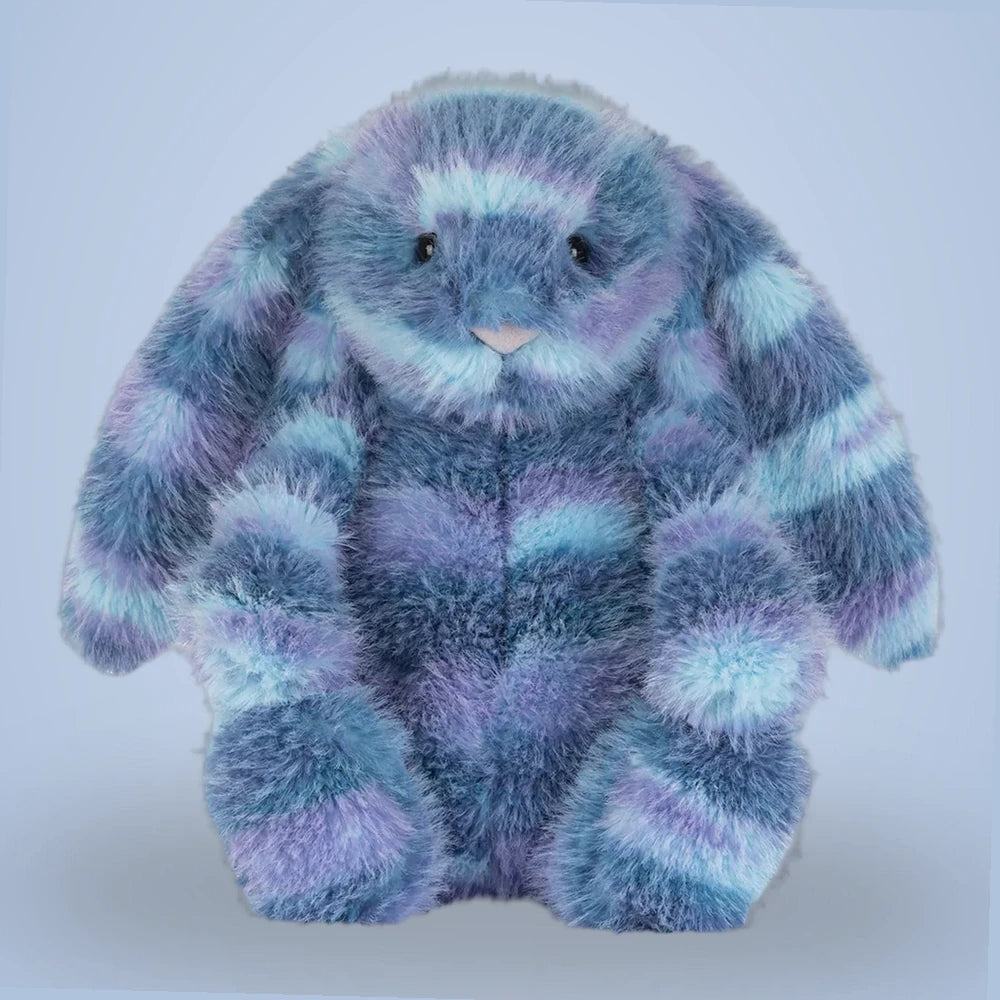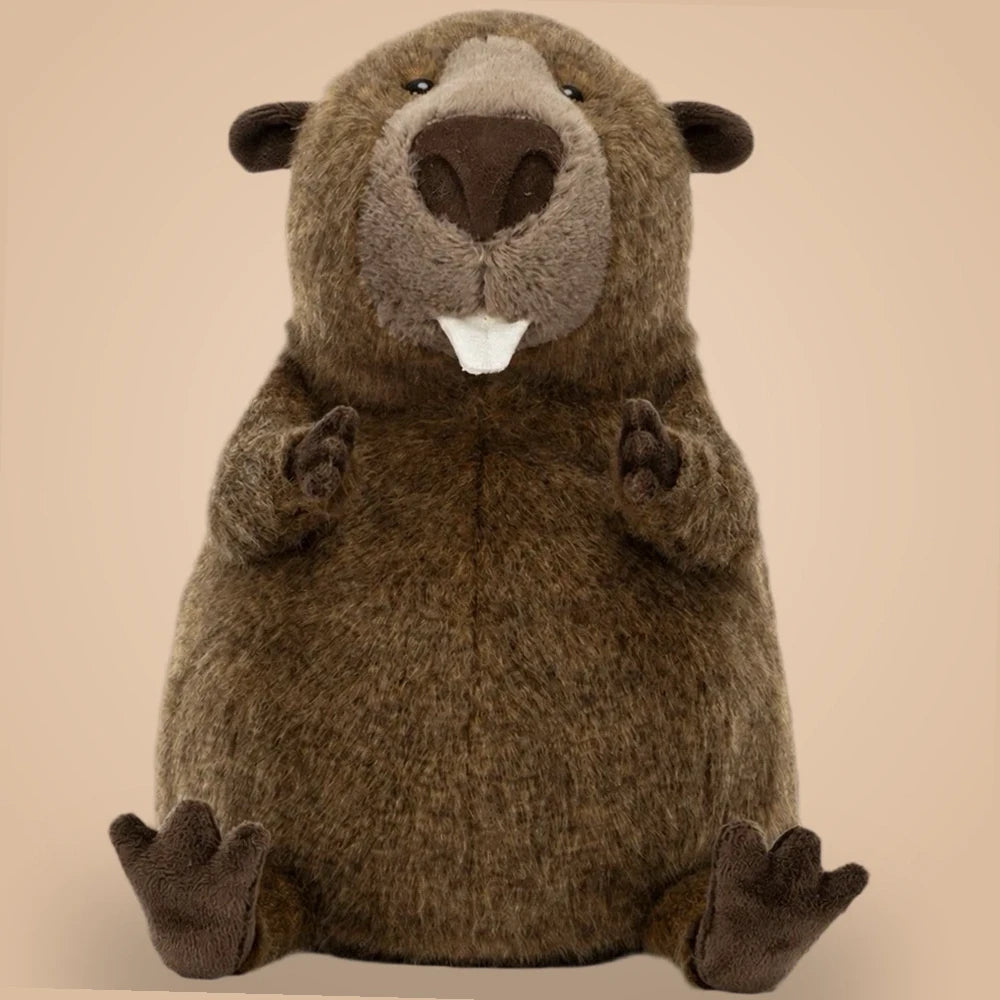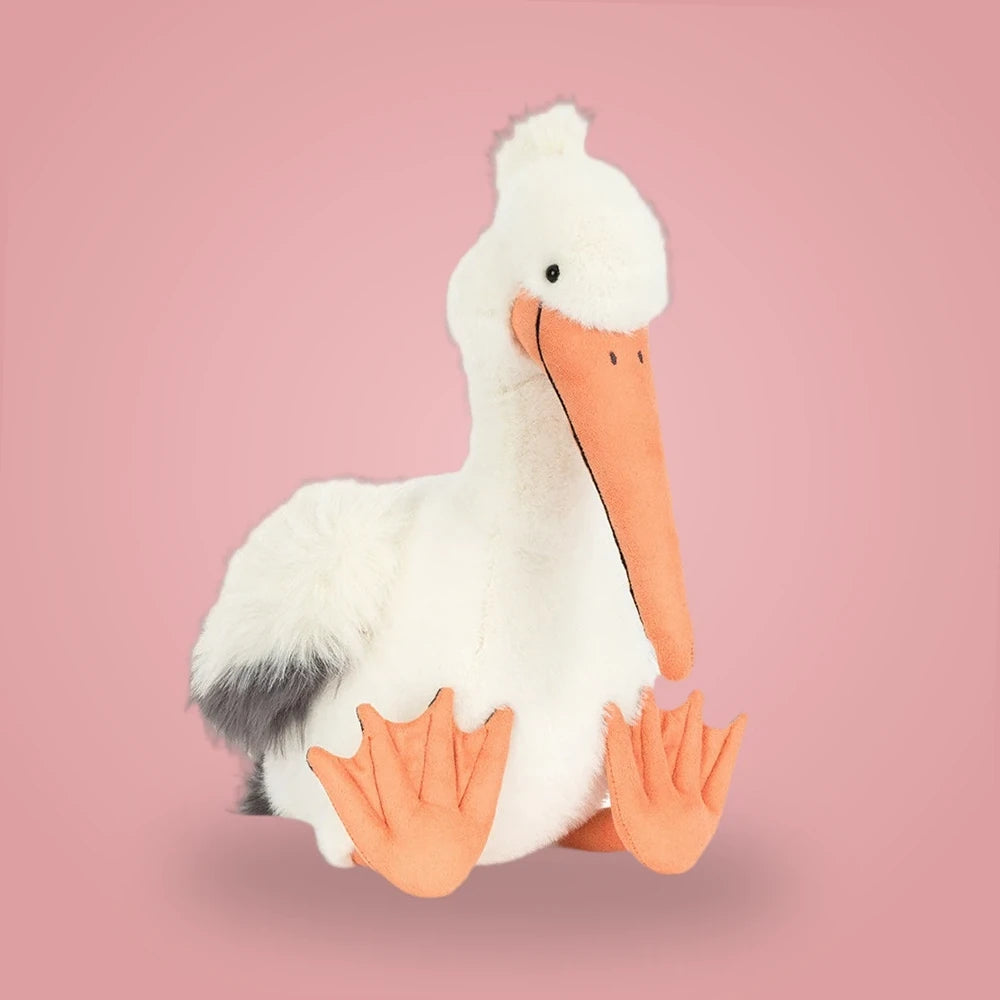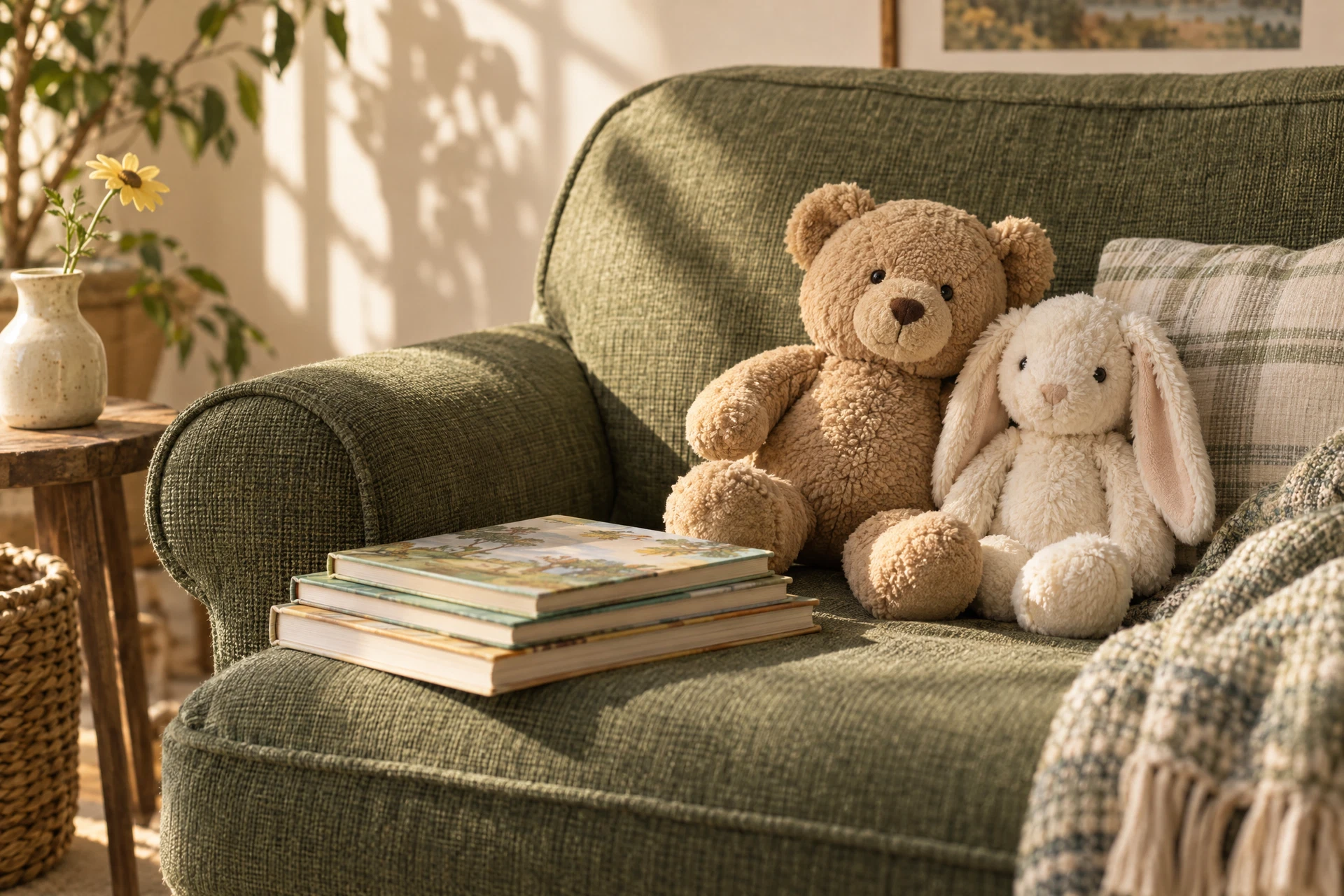
Choosing stuffed animals can feel sentimental — a quick decision at a checkout or a thoughtful pick for a collection. Yet the right plush should actually fit day-to-day routines: where it will live, who will use it, and how it handles wear and cleaning. Start by listing the contexts where the toy will appear: bedtime, car trips, display on a shelf, or frequent snuggles in a daycare bag. That short inventory will steer you away from impulse buys that end up in a donation pile.
Prioritize needs over aesthetics alone. A plush that looks perfect on a photo wall may be the wrong size for a small apartment, or too delicate for regular handling. Practical criteria — size, material, seam and accessory construction, and care labels — are the factors that determine whether a stuffed animal remains useful rather than becoming clutter. If you want to browse options in a curated setting, a selection at the Animal Friends collection can inspire choices that match everyday living scenarios.
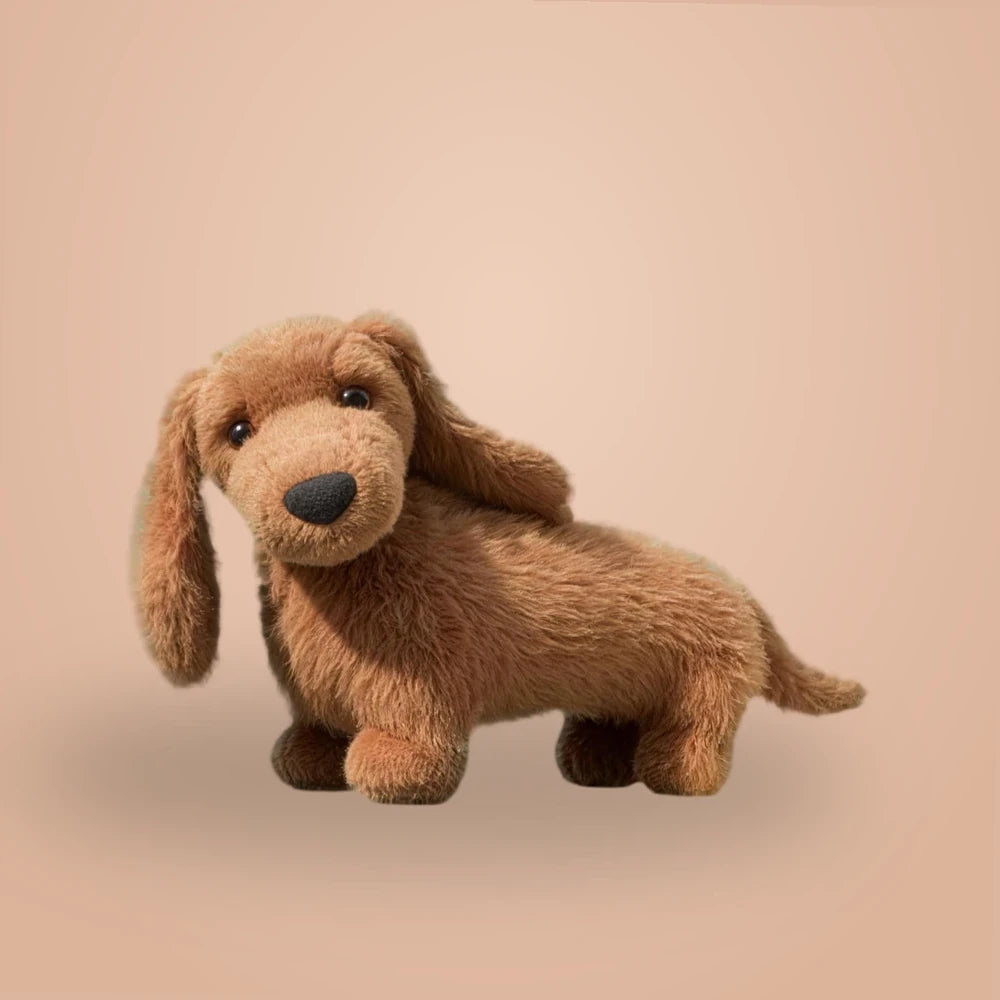
Start with a specific purpose
Define one or two primary purposes before you consider color or character. Is the plush intended for heavy play, a travel companion, decorative display, or comfort during sleep? An item meant to travel will need to be compact and resilient to being stuffed in bags. A display piece can afford delicate features and a declared spot on a shelf. Write down the main use and refer back to it when evaluating materials, size, and closures.
Concrete checklist: 1) Intended primary use; 2) Frequency of use (daily, weekly, occasional); 3) Who handles it most often; 4) Where it will be stored. Use these answers to filter options quickly. For example, a daily companion that rides in a stroller should be machine-friendly if the care label permits. If you need advice about care specifics, check the product label directions or the brand care page at our care guide.
Match size to lifestyle and storage
Size matters more than aesthetics. A giant plush can be charming but may overwhelm small living spaces, block vents, or collect dust in unused corners. Conversely, very small stuffed animals are easy to lose or may be inconvenient as a comfort object. Consider where the plush will live when not in use and measure available shelf or storage cubby space.
Practical idea: measure a likely home for the toy and compare it to the product measurements. If you picture the toy in a child’s backpack, aim for compactness and secure fastenings. For a decorative pair of animals on a mantel, ensure the base is stable and that the toy won’t be knocked over by pets. Remember that bulkier toys require more frequent fluffing and may need larger storage solutions.
Evaluate construction and materials
Inspect how a stuffed animal is made: seams, eyes, noses, and any sewn-on accessories. Tight, double-stitched seams hold up better to tugging and frequent hugging. Plastic eyes or buttons can be a choking hazard for small children, so if suitability matters consult the manufacturer’s age guidance and label. Soft fabrics differ in durability — velveteen and microsuede can show wear differently than plush pile.
Check the fill type when available in product descriptions: dense fills keep shape longer; loose fills squash and may require redistribution. Some toys have reinforced interiors or weighted bases that help them sit upright — useful for display pieces. Ask staff questions at a shop or use a contact form if you need specifics about construction: visit the contact page for direct inquiries.
Consider care and maintenance realistically
Every stuffed animal has care instructions on its label; follow those for safe maintenance. Some are surface-clean only, others are machine-washable, and some need spot treatments. Don’t assume a toy’s fabric responds well to bleaching or high heat. If easy laundering matters, prioritize items with clear, simple care instructions and removable, washable components where possible.
Create a practical care plan: store a small kit with a lint roller, gentle stain remover, a soft brush, and a sealed bag for transport. For frequent travelers, choose a plush with quick-dry materials. If you sell or manage multiple toys, consider a cleaning rotation and catalog items that require special handling. Also review manufacturer recommendations rather than applying a universal washing method.
Balance safety and age-appropriateness
Safety considerations depend on who will use the toy. For toddlers and very young children, avoid loose parts, short fabric fibers that shed, and decorations that can detach. For older kids and adult collectors, stylistic features and delicate details may be appropriate. When in doubt, check the individual manufacturer's label and suggested age guidance before purchase.
Common safety checks: tug gently on seams and attachments, examine for sharp or rigid pieces, and confirm that any plastic bits are well secured. If you’re buying for a daycare or shared environment, look for easy-to-clean surfaces and robust construction. These steps help prevent common problems like detached eyes or split seams that otherwise frustrate everyday use.
Avoid common selection mistakes
Many buyers prioritize immediate appearance and overlook long-term fit. A frequent mistake is choosing novelty features (sound modules, LED lights, delicate trims) without considering battery replacement, water exposure, or breakage. If the toy has electronics, think about access panels, battery security, and how to clean around sensitive parts.
Another mistake: underestimating ongoing storage needs. Buying a collection of large toys without a storage plan leads to clutter. Adopt a rotation strategy — keep a small active set out and store the rest in breathable bins. This extends the life of favorites and keeps living spaces manageable.
Make choices by context: travel, sleep, display, gifting
Travel companions should be compact, compressible, and have secure closures or attachment loops for strollers and car seats. Avoid toys with parts that catch on zippers or straps. Look for washable or wipeable fabrics so a quick surface clean can be done on the road. An actionable step: pack a small mesh bag to protect the plush inside a suitcase and prevent dirt transfer.
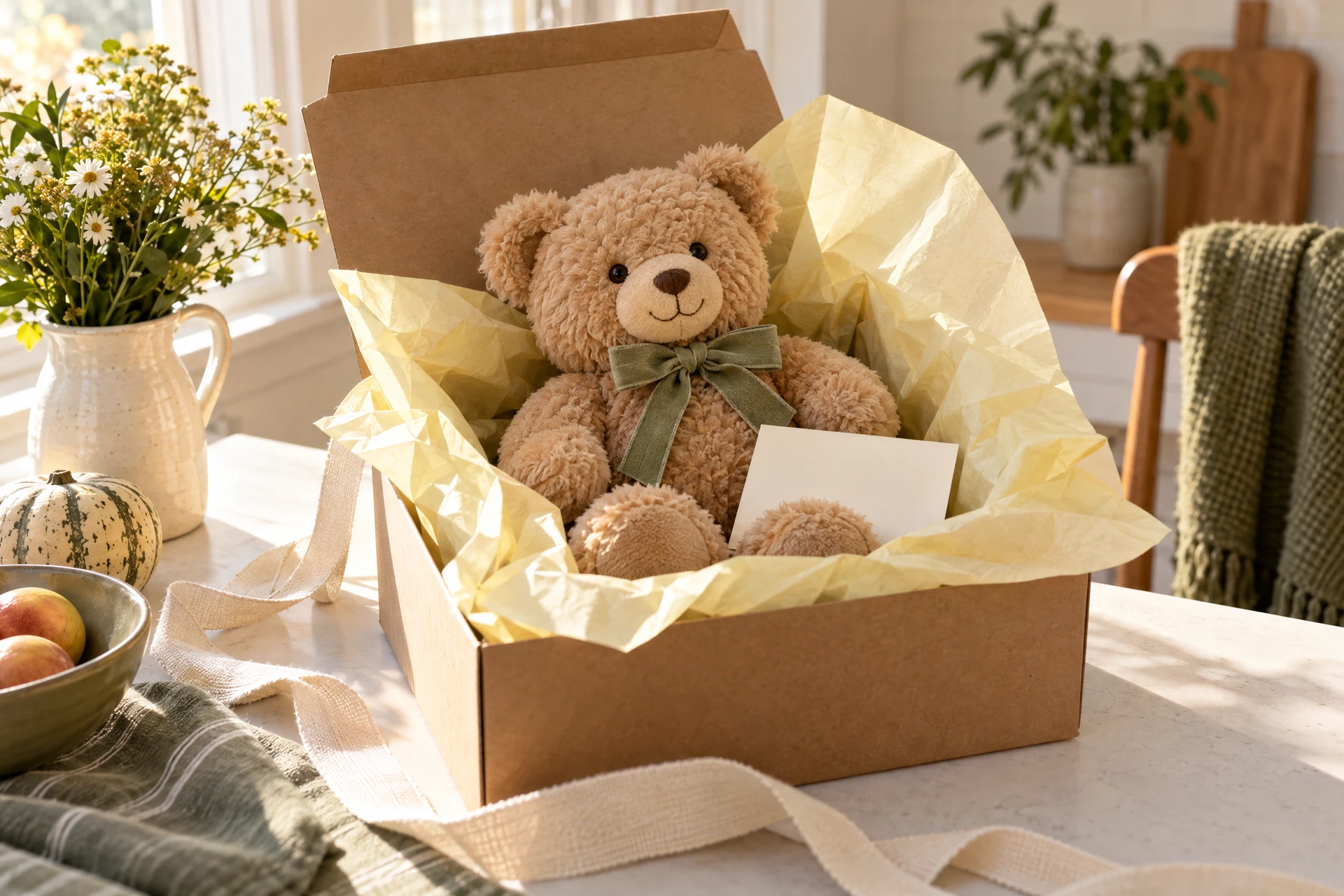
Display pieces can prioritize visual detail over ruggedness. Choose models with stable bases, removable tags that won’t scratch surfaces, and colors that won’t fade in sunlight. If gifting, wrap with protective tissue and include care instructions or a note about intended use—play, display, or travel—so the recipient knows how to treat the gift.
Actionable example: three-step selection for one purchase
Scenario: You need a daily comfort plush for a commuter who rides buses and also stores it in a small apartment. Step 1 — clarify needs: daily use, compact storage, occasional surface cleaning. Step 2 — filter by features: choose medium size (fits in a tote), tightly stitched seams, minimal decorative attachments, and a fabric that can be spot-cleaned. Step 3 — validate with the label and a final hands-on inspection: squeeze it to test fill resilience and tug lightly at attachments.
This short routine takes five minutes and prevents common regrets. If you want to explore well-organized options or buy multiple items for retail, consider reviewing wholesale program details at wholesale inquiries before larger purchases. For single-item help or specific questions, reach out through the store contact page at the contact page.
Final decision checklist before purchase
Use this checklist at the point of sale: 1) Purpose matches primary use; 2) Size fits available spaces; 3) Construction looks sturdy; 4) Care instructions align with your maintenance plan; 5) Safety features suit the intended user; 6) Any electronics or attachments are practical for your needs. If any item trips more than one caution, reconsider or explore alternatives.
A thoughtful final step is to ask yourself how the plush will still feel useful six months from now. If you can envision regular use without disproportionate maintenance, it’s likely a good match. Keep the receipt and note the care label location for future reference — orderly record-keeping makes long-term upkeep easier.
Explore the details before choosing
Take a closer look at Animal Friends, review our plush and clothing care guidance, or ask about specifications and availability before making an order request.