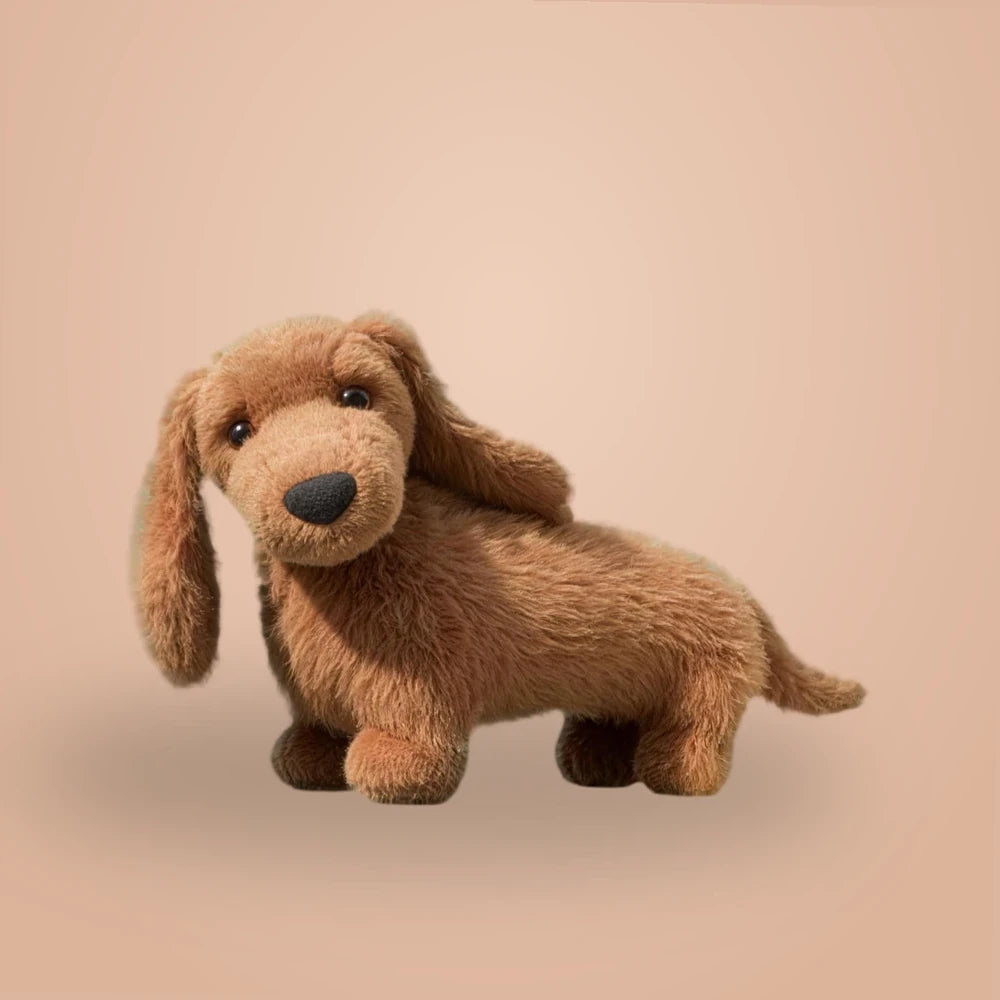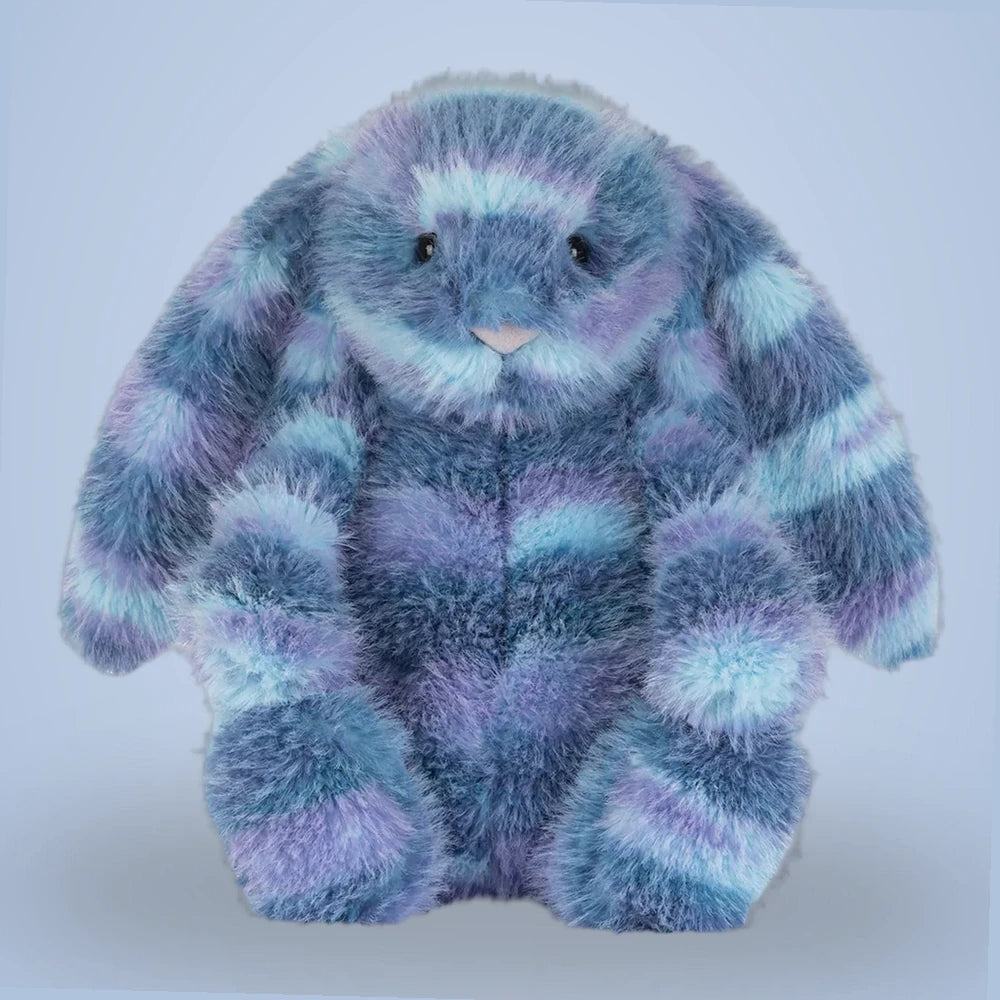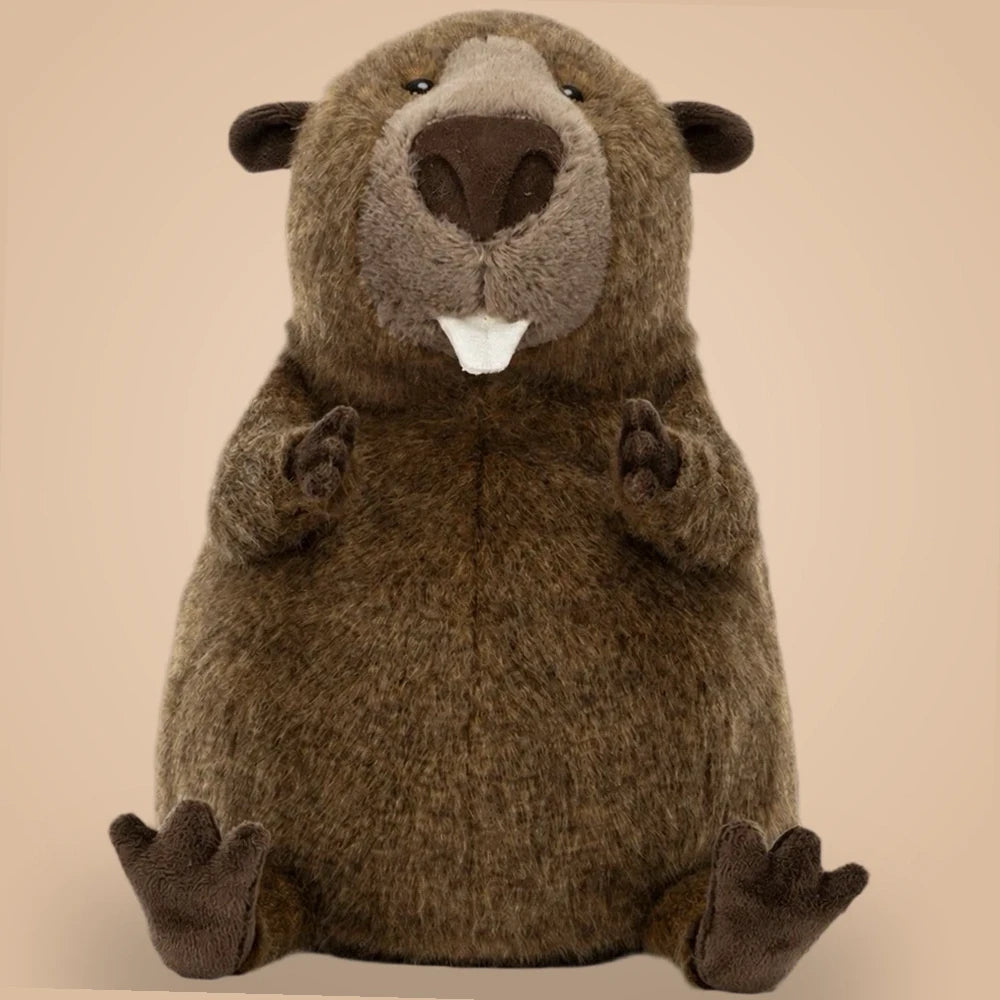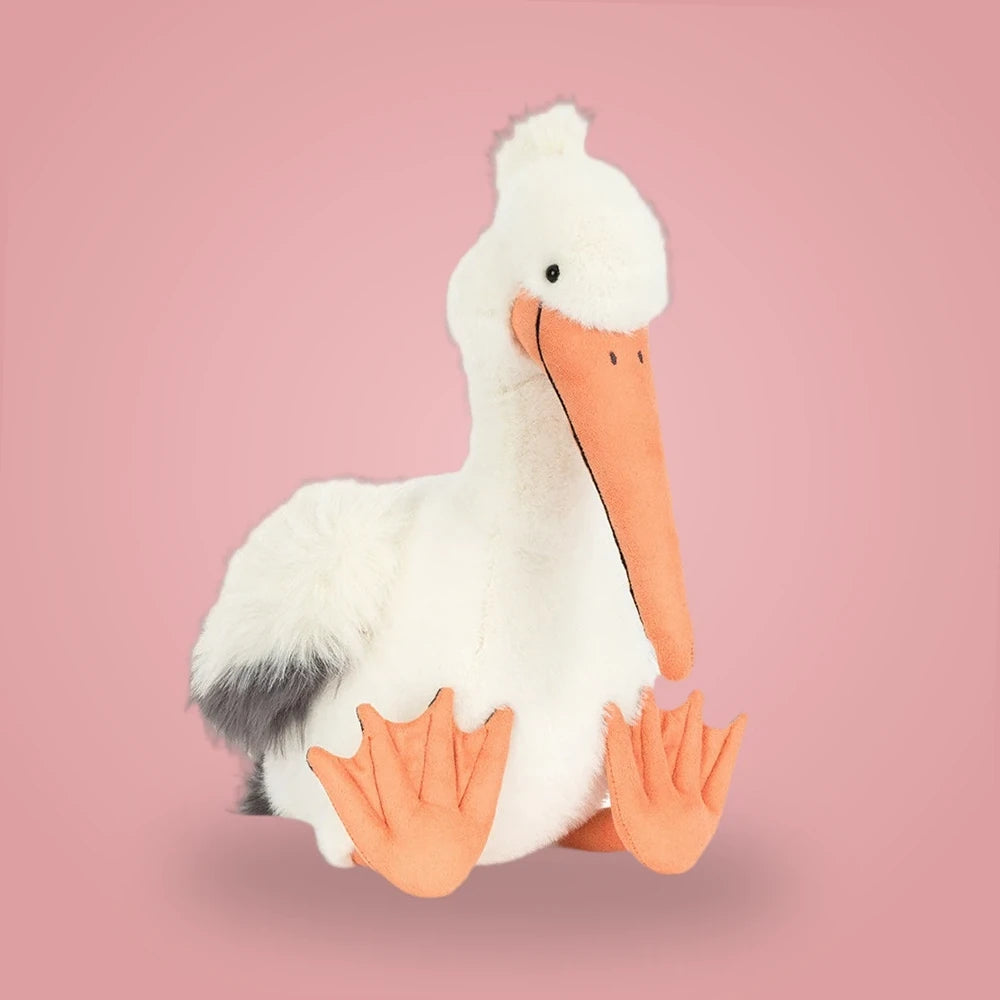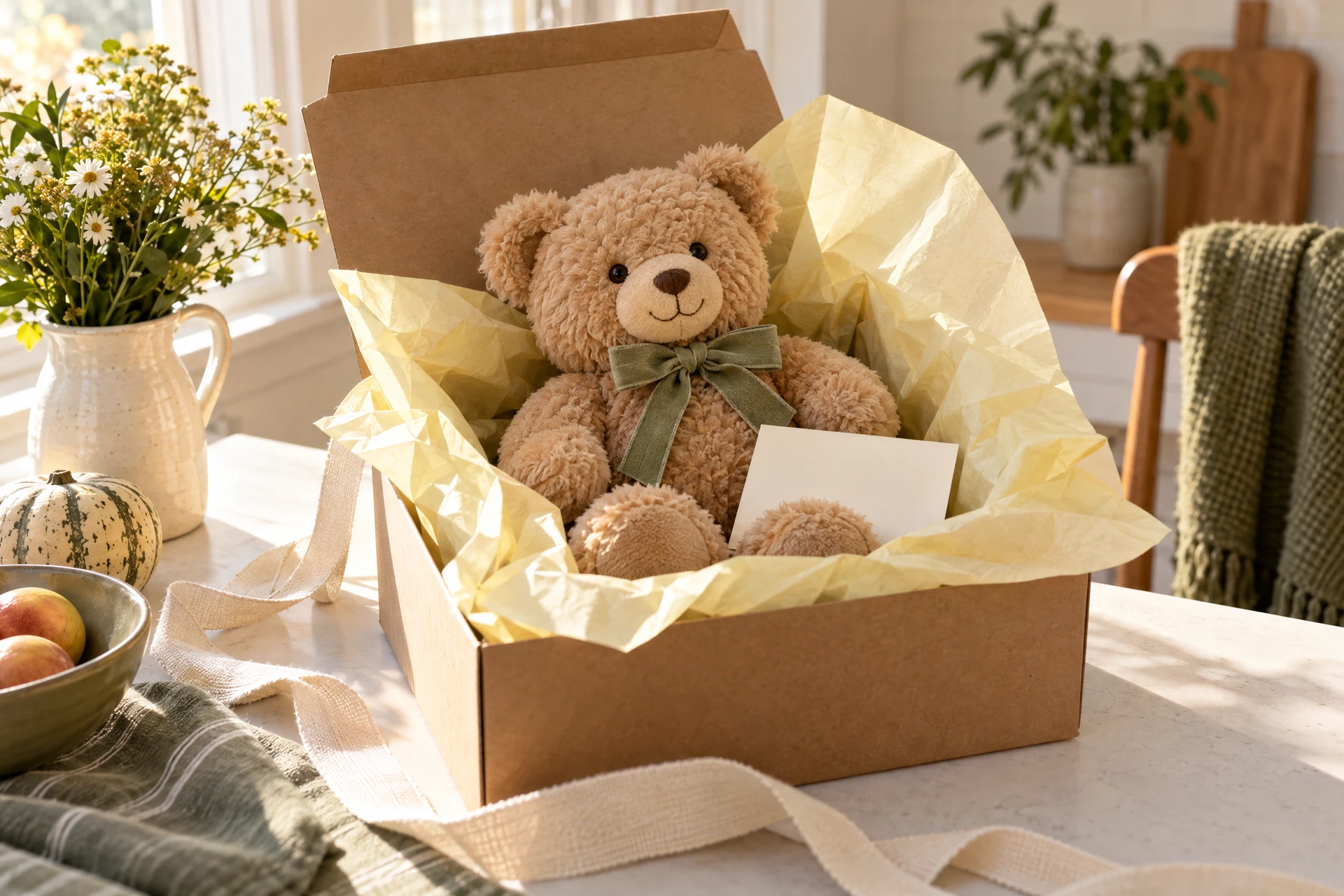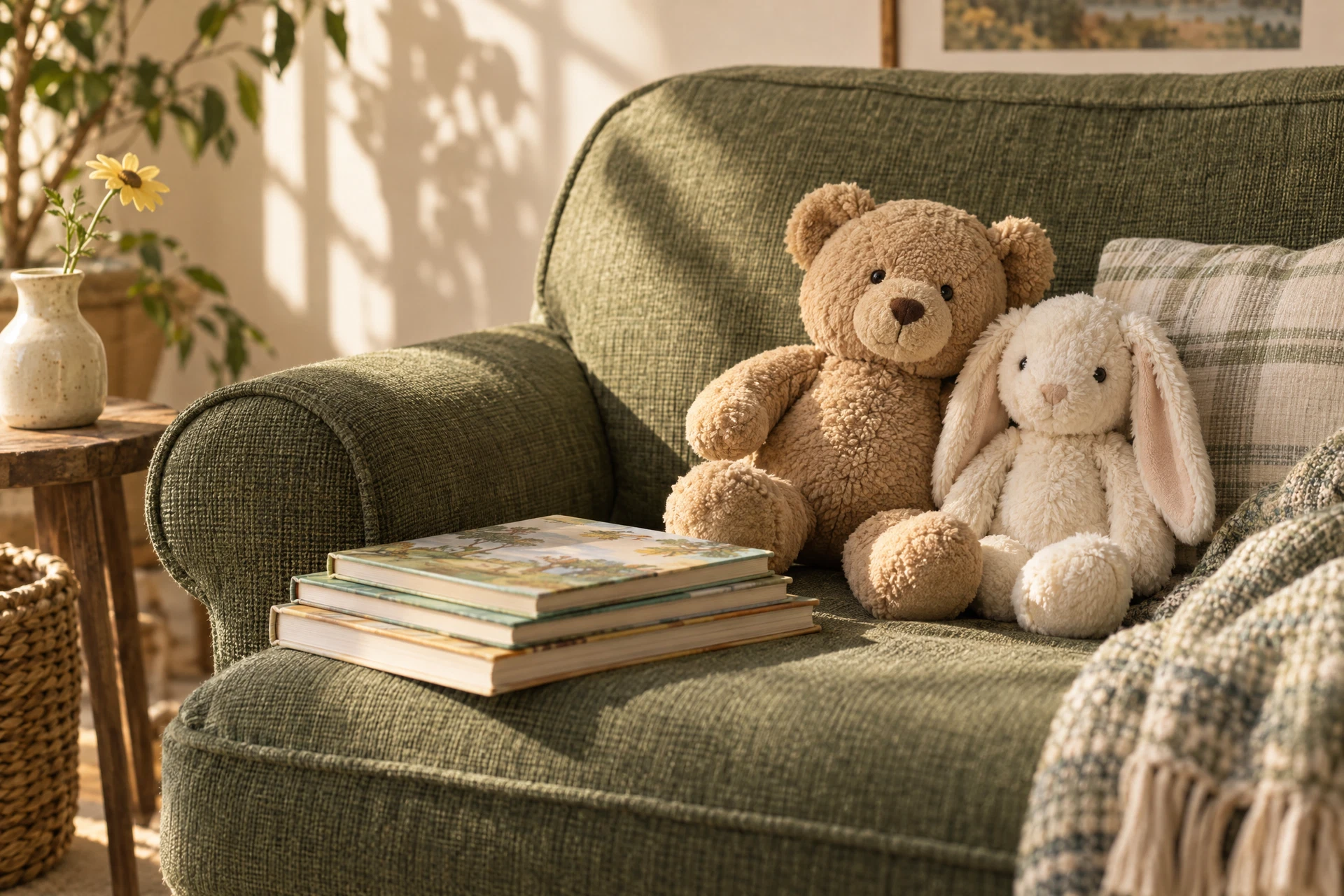
Woodland stuffed animals can anchor a nature-inspired room without needing a full forest mural or elaborate props. Picking the right critters, scale, and textures ties together bedding, rugs, and shelving in a way that feels intentional rather than cluttered. This guide focuses narrowly on how to choose, arrange, and care for woodland plush so the finished room reads cohesive and calm.
Start by deciding the role those plush characters will play: playful companions for everyday handling, decorative accents on a bed or shelf, or a mix of both. Each purpose affects decisions about durability, size, and materials. Below you'll find practical criteria, common mistakes to avoid, styling suggestions, display and storage solutions, and a short actionable example you can apply immediately.
Choosing the Right Woodland Species
Selecting which species to include should be guided by the mood you want to create. Small, rounded animals like hedgehogs and chipmunks read cozy and friendly; foxes and deer bring a quieter, more elegant feeling. Think about tonal consistency: if your room palette is muted greens and warm neutrals, choose animals with soft browns, creams, or rust hues rather than saturated toy-bright colors.
Also consider narrative and variety. A small group — for example a fox, a fawn, and a raccoon — offers visual interest without overwhelming a shelf. For a child's room where interaction is likely, include at least one more robust species with simple shapes and fewer fragile parts. When in doubt about exact species choices, browse curated assortments such as the animal-focused selections at the Animal Friends collection to compare silhouettes and sizes side by side.
Size, Scale, and Proportion
Proportion is one of the easiest ways to make a display look intentional. Large stuffed animals can act as anchors on the floor or in a reading nook, but too many large pieces will dominate a small room. Conversely, lots of tiny plush will look cluttered if placed on a bed. Aim for a pattern of one large, two medium, and two small pieces for a balanced vignette.
When planning placement, measure shelf depths, bed widths, and floor space before buying. A medium plush that looks diminutive in a product photo can feel substantial in person if placed against a narrow headboard. Use masking tape on furniture edges to simulate how a potential purchase will sit and to avoid buying items that are awkwardly proportioned for your space.
Textures and Fabrics for a Woodland Palette
Texture creates tactile interest and contributes to the overall atmosphere. Velvet-like fur reads more sophisticated and muted; looped or nubby materials can suggest rustic, outdoorsy character. Mix smooth and textured finishes to echo natural contrasts — think soft faux fur for deer and foxes paired with felt or knit details on smaller woodland friends.
Pay attention to small fabric details such as embroidered eyes and fabric trims versus glued plastic features. Embroidery and securely sewn accents usually last longer under frequent handling. For care guidance, always check the manufacturer label; if you need general washing and handling steps, consult our care guide to learn recommended practices and to avoid common mistakes like assuming every plush is machine-washable.
Styling Ideas: Shelves, Beds, and Reading Nooks
On open shelving, arrange the animals in mini-scenarios: a family cluster at one end, a single lookout fox elevated on a stack of nature books at the other. Keep negative space around each grouping so the eye moves comfortably across the shelf. Use small props—wood slices, ceramic mushrooms, framed leaf prints—to reinforce the woodland theme without competing with the plush.
For beds and reading nooks, group a few small-to-medium animals near the headboard or on the window seat. Anchor the display with one slightly larger piece and two to three supporting characters. Alternate heights by placing a soft bolster or throw pillow behind shorter toys. When styling a child’s everyday spot, choose arrangements that make it easy to pick up and put away: baskets or low bins work well for corralling nightly rotation favorites.
Display Safety and Storage Solutions
Keep display safety in mind. Avoid placing small plush with detachable elements on high shelves where pieces could fall. If you plan to use decorative mounts or hangings, ensure attachment points are secure and away from sleeping areas. When in doubt about suitability for very young children, check the manufacturer label for age guidance.
Storage matters for longevity: breathable fabric bins protect against dust while preventing mustiness, and clear bins help you quickly find a specific toy. For seasonal displays, wrap stuffed animals in acid-free tissue between rotations to protect colors and trims. Labeling bins by species or color can simplify seasonal changes and reduce impulse purchases that duplicate items you already own.
Common Mistakes and How to Avoid Them
A frequent mistake is buying multiple similar-sized pieces without considering placement, which leads to a visually flat arrangement. Plan a rough layout before purchasing and stick to a size ratio like the one suggested earlier. Another error is over-accessorizing: too many props dilute the appeal of the plush themselves. Keep props to one or two secondary items per vignette.
People also underestimate wear: delicate trims and glued features fail faster under heavy handling. If you expect daily play, prioritize sturdy sewing and embroidered features. And resist the urge to clean aggressively without checking the label first; aggressive methods can ruin fabric or internal stuffing. For general guidance and troubleshooting, consult our care guide for appropriate steps to maintain appearance and function.
Buying Considerations and Decision Checklist
Before you purchase, run through a short checklist: 1) Role — decorative or play; 2) Size compatibility with display space; 3) Fabric and texture suitability; 4) Construction quality (seams, embroidered details, securely attached parts); 5) Care instructions on the label. This quick audit helps avoid impulse buys that don’t perform in your room.
When sourcing multiple pieces, consider buying from a single collection to ensure consistent scale and palette, or deliberately mix collections but keep a unifying color or texture. If you have wholesale inquiries for projects or retail planning, the wholesale inquiries page provides a starting point for larger orders and terms, while the contact page will connect you to specific purchase questions or custom requests.
A Small Actionable Example to Try Today
Measure a 36-inch shelf or the top of a dresser where you want to stage a display. Place one large plush at the back-left corner, two medium plush staggered across the middle, and two small plush near the front-right. Add a single natural prop—like a polished wood slice—behind the smallest piece to create depth. Step back and remove any item that feels visually redundant.
If you’re preparing a child’s nook, designate a low, open basket for nightly tidy-up. Teach a simple rotation habit: each week, swap two pieces from the display with two from the basket to keep the scene fresh and limit wear. Use the earlier checklist before purchasing replacements to confirm they fit the established scale and care needs.
Explore the details before choosing
Take a closer look at Animal Friends, review our plush and clothing care guidance, or ask about specifications and availability before making an order request.