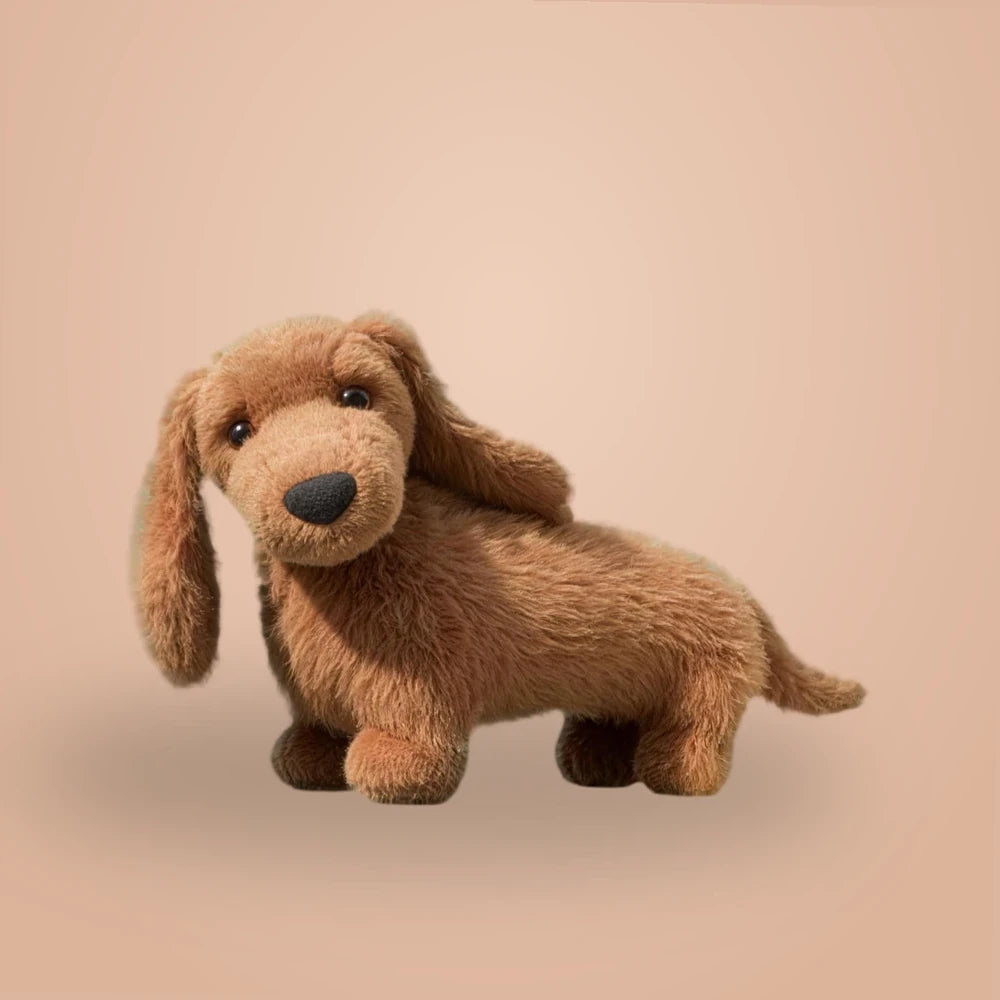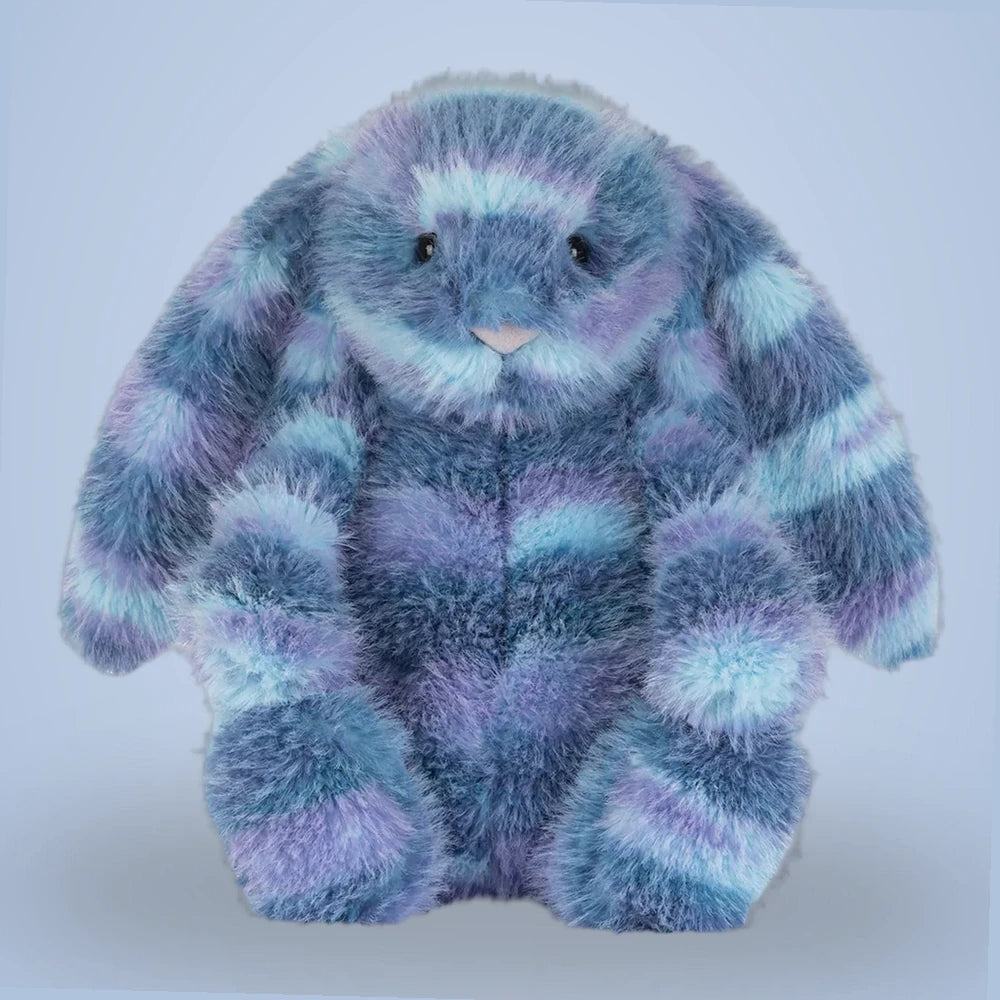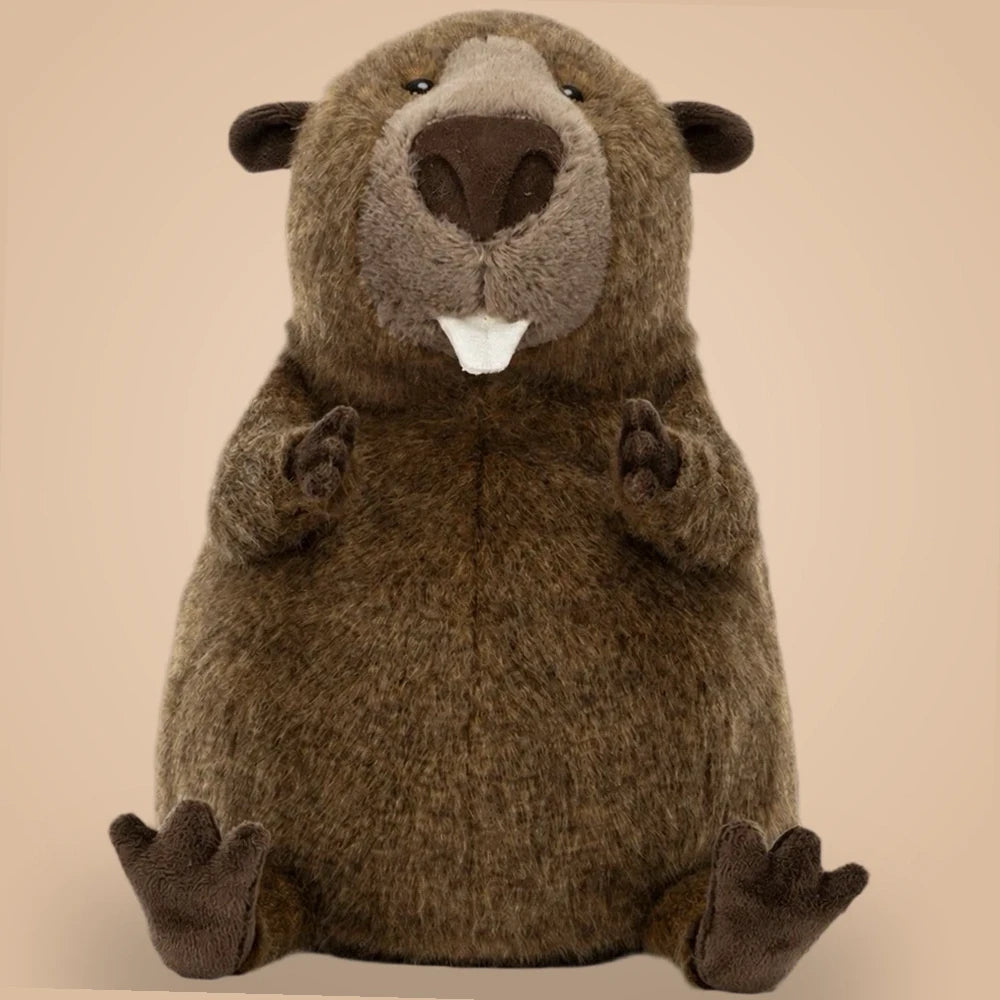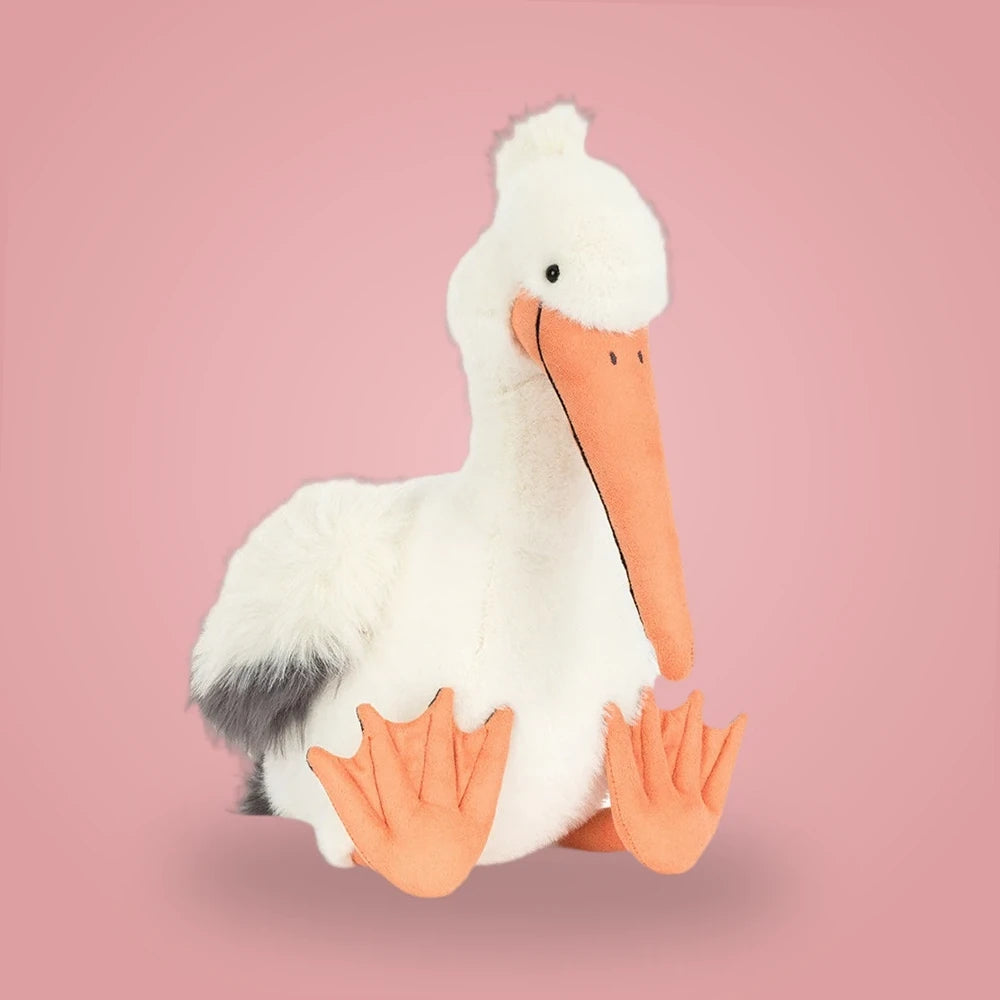
Small plush toys are deceptively versatile: they slip into backpacks, become character props, and fit into tiny decorative scenes. Because these toys are compact, shoppers often treat them as impulse buys or travel companions, but choosing the right one requires thought about material, construction, and intended use. This guide focuses narrowly on how to buy, use, and care for small plush toys so they last longer and serve more roles.
In the sections that follow you’ll find practical decision criteria, common mistakes to avoid, and concrete examples for travel, gifting, retail display, and group activities. Retailers can review a short wholesale checklist, while caregivers and crafters will find packing and cleaning pointers. For quick browsing, see the animal options at the Animal Friends collection and consult the manufacturer label for care instructions on every piece.
Why size matters beyond price
Size affects use in ways buyers often miss. A small plush toy that measures a few inches fits into pockets and stroller trays, making it ideal as a comfort object for short outings. But smaller size also means seams and attachments—like eyes or tags—are closer together and more likely to be stressed by rough play. Inspect construction details such as reinforced stitching and securely sewn-on features before purchasing.
Think about balance between portability and longevity. If you want a plush to withstand repeated handling, look for denser stuffing that keeps shape and a tighter exterior knit to resist pilling. For display-only pieces, extreme softness might convey charm, but decide if the toy will be handled or simply sit on a shelf; the intended role should guide your choice.
Materials and touch: choosing the right fabric
The tactile experience is often the primary buying factor for small plush toys. Velvet-like minky, short-pile faux fur, and looped terry each feel different and wear differently. Choose short-pile fabrics for toys that will be frequently handled—longer fur can mat quickly and trap debris. When possible, run your hand along seams to detect weak spots and examine dense areas where small parts are sewn on.
If allergens or skin sensitivity are a concern, select tightly woven fabrics that can be surface-cleaned and that do not shed fibers easily. Check the manufacturer’s label for specific fabric content and any recommended cleaning methods before purchase. When a label is absent or ambiguous, ask the seller for details or consult a care guide at our care guide.
Safety checks and common mistakes
A common mistake is assuming small means simple. Small plush toys often include glued-on eyes, tiny buttons, or decorative trims that can become choking hazards. Inspect each toy for secure fastenings and avoid items with loose embellishments if intended for young children. Verify manufacturer age guidance and follow it; if that guidance is unavailable, exercise caution and consider the toy’s parts-to-size ratio relative to the child.
Another error is overlooking chemical and dye finish issues. Brightly colored, cheap-feeling plushes can bleed color when slightly damp. Test a concealed seam with a damp white cloth before purchasing if dye transfer is a concern. Retailers should proactively list any special finishes or treatments so buyers can make informed choices.
Packing small plush toys for travel and outings
Small plush toys are travel-friendly but need simple protection. For airplane travel or crowded public spaces, place the toy in an interior pocket or a small, breathable pouch to keep it clean and prevent it from slipping out. If frequent washing is not an option, include a lightweight drawstring bag to isolate the toy from dirt and surfaces.
For themed outings—like a nature walk or a museum visit—assign roles to plushes to make them part of the experience. Create a tiny laminated 'passport' with the toy’s name and care instructions written on it, and tuck a folded care label copy in the same pouch. This small habit keeps the toy's identity and care steps handy and helps prevent confusion when multiple toys are present.
Play ideas and educational uses
Because of their size, small plush toys excel at imaginative play and learning stations. Use several different small plushes to teach categorization—sort by color, size, or habitat—and create a tactile 'museum' where each toy has a mini placard. For language development, stage short storytelling prompts where each toy contributes a line; these activities require minimal materials and can be swapped in a classroom or at home.
Another practical activity is sensory treasure hunts: hide small plush toys in a textured bin or a pillowcase filled with safe filler and let children find them by touch. This encourages fine motor skills and descriptive language without needing large equipment. Always supervise these activities and follow any age guidance on the toy’s label.
Retail display strategies for small plush toys
Small plush toys can be high-margin impulse items if displayed thoughtfully. Group them by theme or color to create visual pops on counter displays, and use risers or shallow bowls to avoid a cluttered look. Label pricing clearly and include a short care blurb on the sign that tells shoppers how to find full care advice at our care guide.
Avoid overcrowding; too many items crammed together reduce perceived value and make handling cumbersome. Rotate toys to keep displays fresh—swap new arrivals into a prominent spot and move older items to a secondary shelf. For buyers interested in larger quantities, direct them to wholesale inquiries for wholesale inquiries rather than listing bulk deals on the main floor.
Gift-wrapping, personalization, and small upgrades
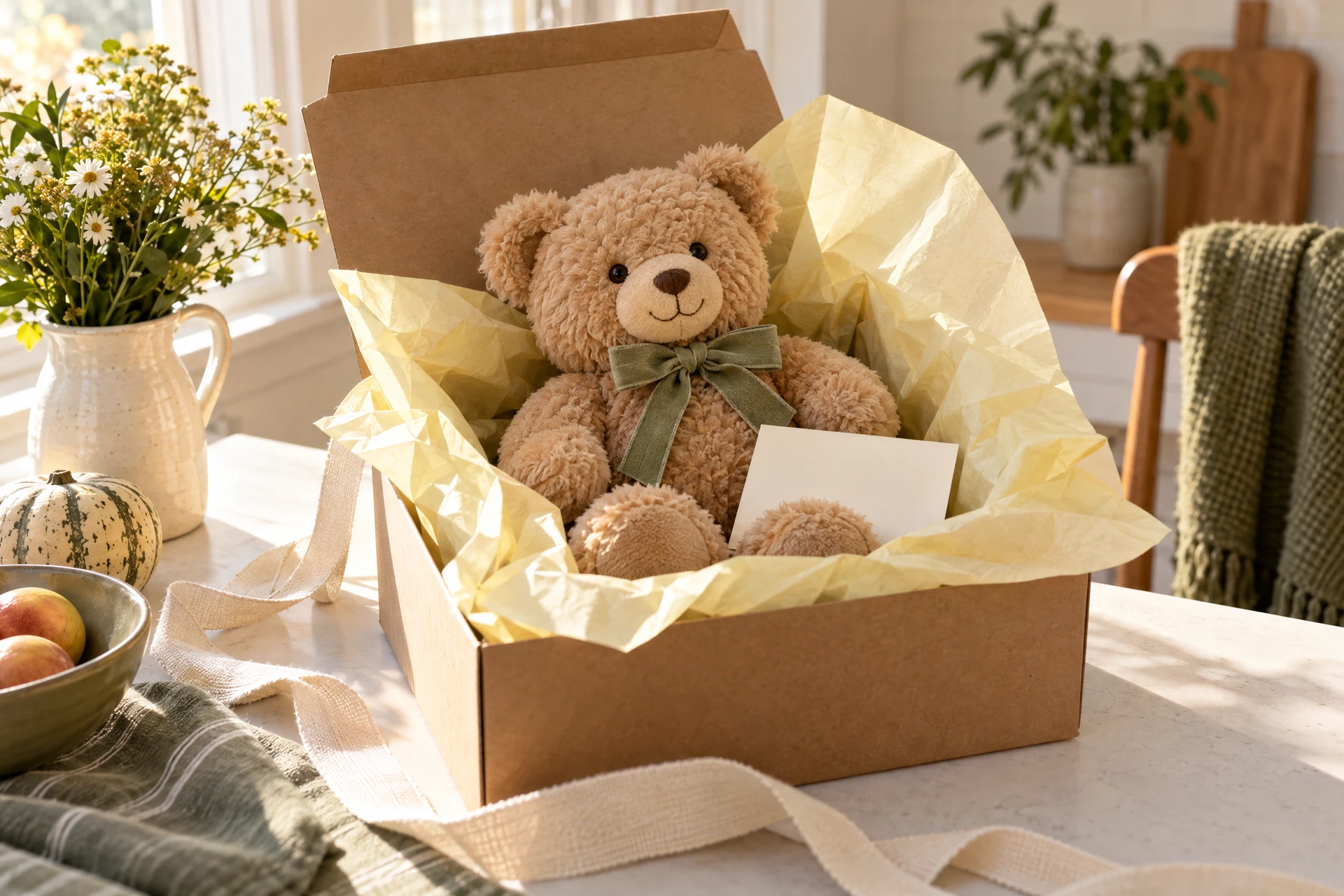
Small plush toys are natural gift add-ons. When wrapping, avoid tight-fitting boxes that squish the toy’s shape; instead, use tissue paper and a shallow box or a fabric gift bag that lets the plush breathe. Add a handwritten tag with the toy’s name and a brief note about care or play suggestions—this personal touch increases perceived thoughtfulness without extra cost.
Personalization can be a low-cost upgrade: a small, removable embroidered patch or a custom-name collar can transform a standard toy into a keepsake. Keep personalization choices simple and removable so the toy remains washable per the manufacturer label. For store-based services, provide options at point of sale and clearly state timelines via your contact page at the contact page.
Cleaning basics and maintenance checklist
Small plush toys are easy to care for if you follow the label. When the label provides specific cleaning steps, adopt those first. For light surface cleaning, a soft-bristled brush and a damp microfiber cloth often remove dust and spot soil without soaking the toy. Always blot rather than rub to protect the fabric nap and any printed surfaces.
For routine maintenance create a quick checklist: check seams monthly, feel for soft spots that indicate internal shifting, test any removable parts for secure fastening, and store away from direct sunlight to prevent fading. If more intensive cleaning is needed and the label is unclear, consult professional toy cleaners or pack the toy in a protective bag and ask the manufacturer for guidance via their support channels.
Wholesale considerations and simple ordering example
Retailers evaluating small plush toys for stock should compare minimum order quantities, lead times, and return policies. Request swatches or sample units to test fabric hand and construction before committing. A practical first-time order could be a small mixed batch of six designs: two units each of three styles to test sales velocity without tying up capital.
When placing a sample order, note these decision criteria: construction durability, retail margin after packaging and display costs, and customer feedback during the first 30 days. For wholesale inquiries use the appropriate channel at wholesale inquiries rather than a general email. Keep records of SKU performance and rotate slow-moving designs into seasonal promotions or clearance to optimize inventory turnover.
Explore the details before choosing
Take a closer look at Animal Friends, review our plush and clothing care guidance, or ask about specifications and availability before making an order request.