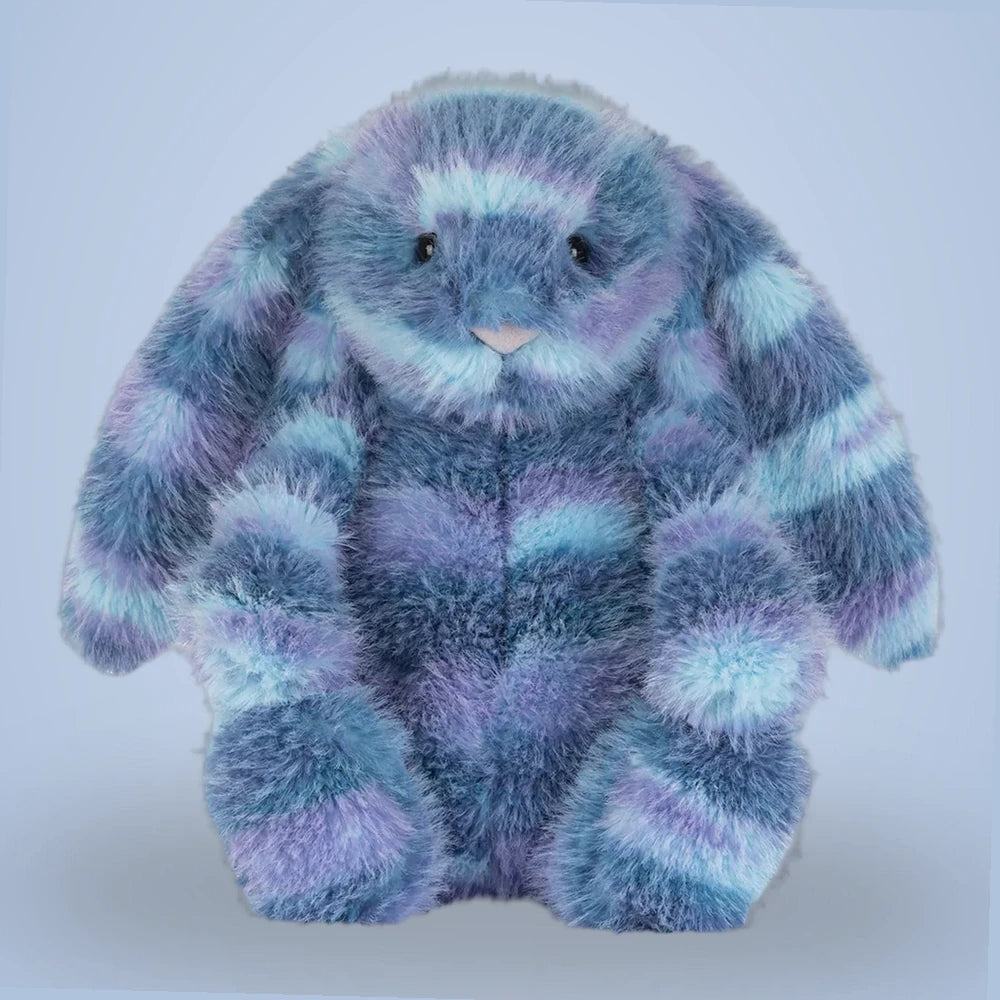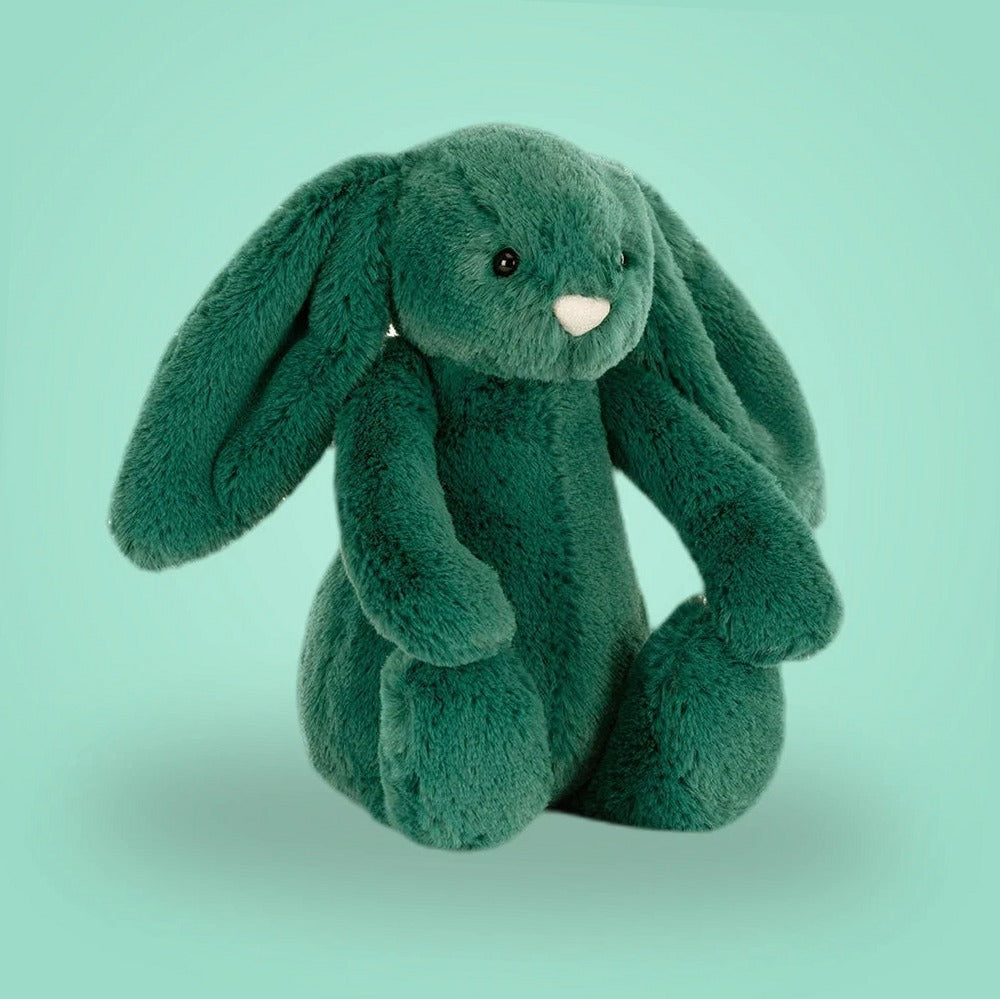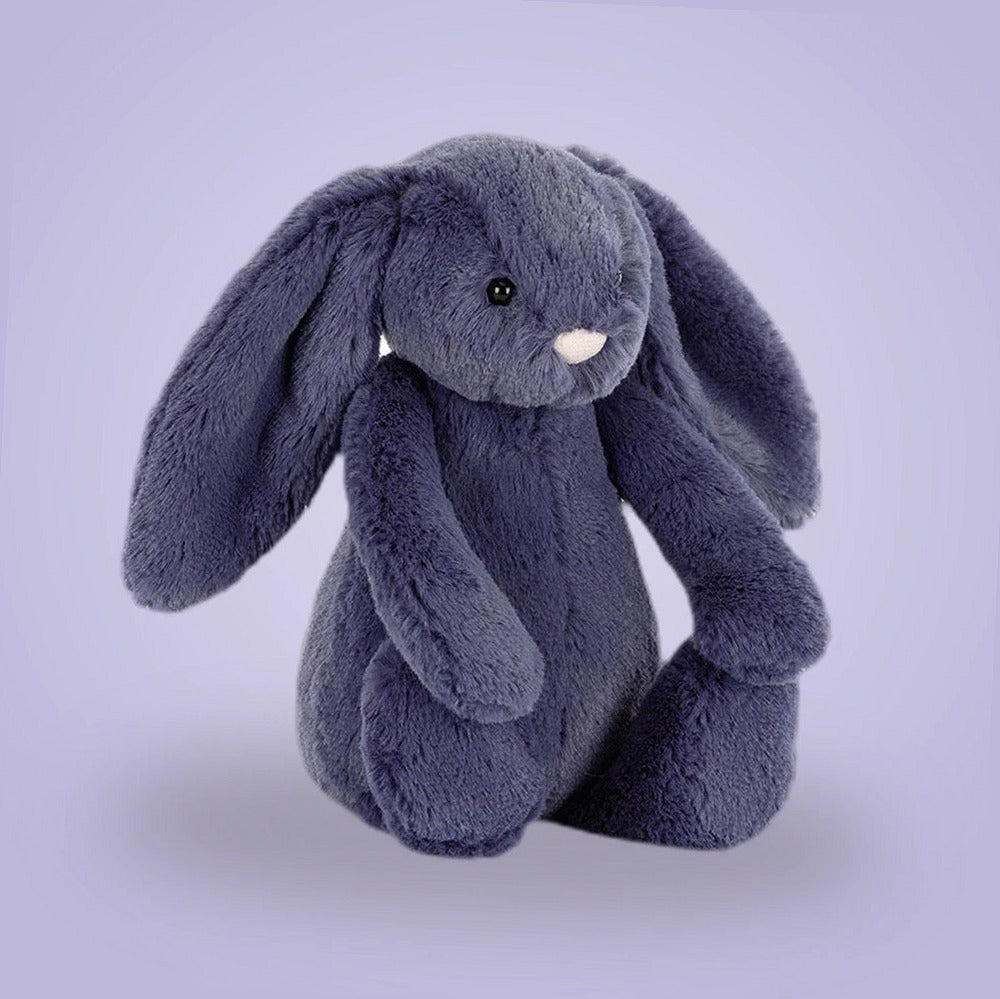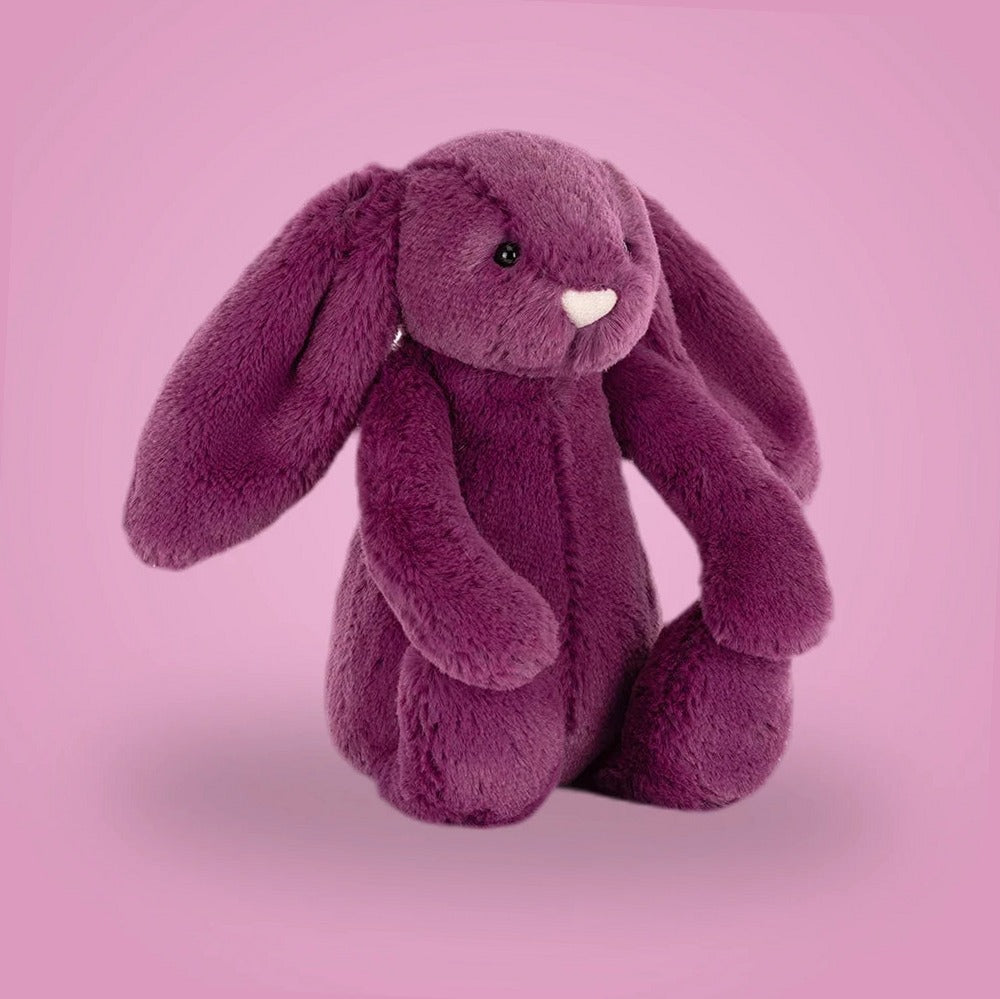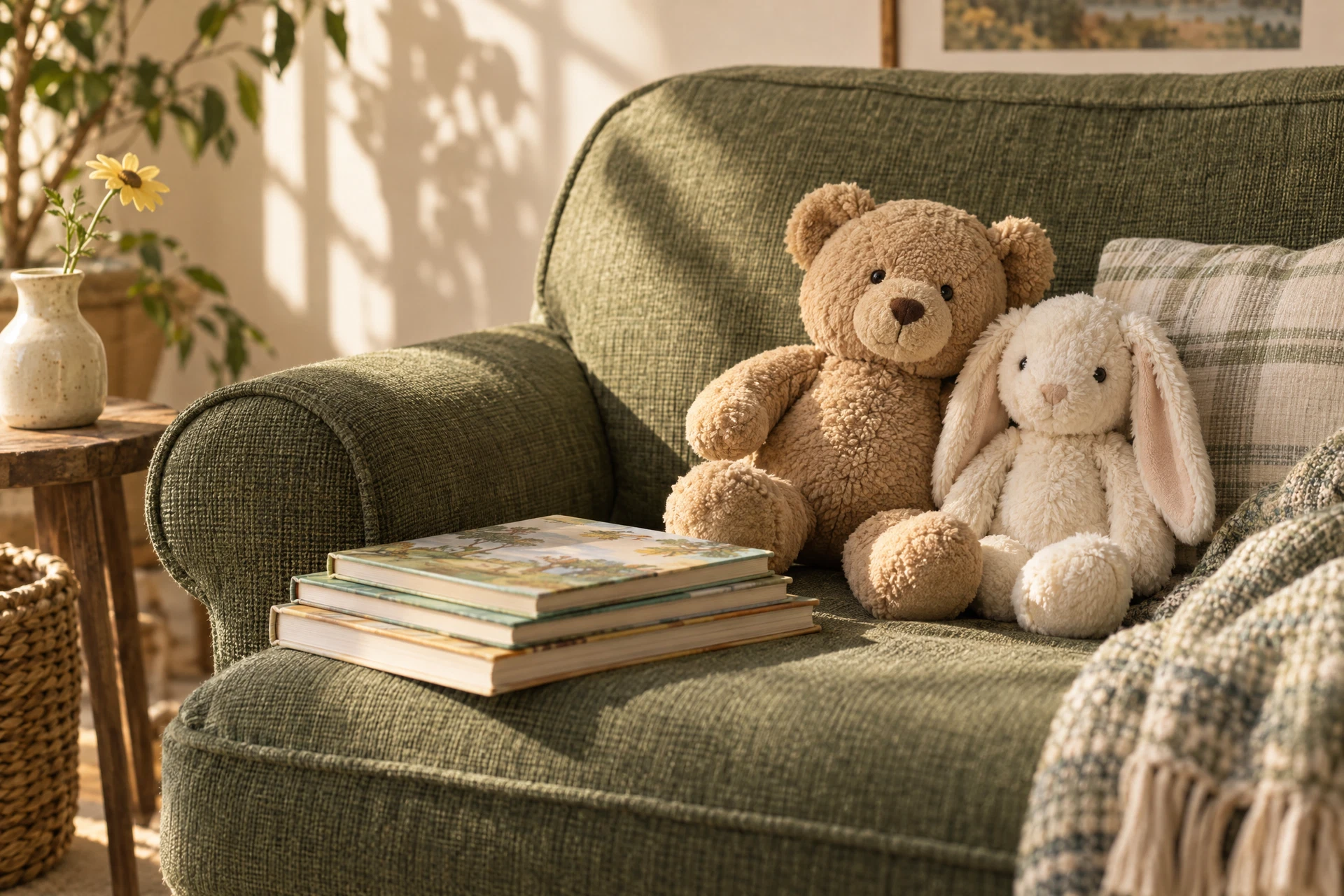
Stuffed animals remain a durable category for both sentimental and decorative gifting. When narrowing the field to bear bunny plush gifts, the decision often comes down to temperament you want to convey, how the toy will be used, and simple practicalities like size, fabric, and care. This two-animal comparison invites a focused approach: bears tend to read as traditional and comforting; bunnies often suggest playfulness or gentle whimsy. Start by clarifying the recipient and the role the plush will fulfill.
Before you browse models, write down three priorities for the gift: mood (cuddly, decorative, interactive), durability (display-only, light play, heavy use), and care (easy clean, spot-clean only, follow label). These priorities will guide choices through material selection, design details, and safety considerations. For more options specific to hare-themed pieces, see the collection of bunnies at the Bunnies collection.
Define the recipient and the message
Begin every purchase by answering two questions: who will receive the plush, and what are you trying to communicate? A bear often sends steady, classic affection—think graduation, get-well, or long-term friendship. A bunny can signal new beginnings, tenderness, or a playful tone—good for baby showers or Easter-themed surprises. Consider the recipient’s tastes: do they prefer timeless objects or items with a quirky edge?
Also think about living situation and display. For someone in a compact apartment, a smaller, stylized bunny that doubles as décor may be preferable to a large, floppy bear. If the recipient keeps collectibles on shelves, choose a design with clean seams and a stable sitting pose. Add practical info to your note—if the gift should be decorative rather than cuddly, indicate it on an attached card to manage expectations.
Materials and texture: what the plush feels like matters
Fabric and fill determine both tactile appeal and longevity. Plush fabrics range from short, velvety minky to longer pile faux fur. Shorter nap fabrics often resist matting and are easier to spot-clean, whereas longer pile feels more luxurious but can trap dust. Think through how the recipient will interact with the toy: frequent hugs favor resilient fabrics, while display pieces can prioritize look over wear resistance.
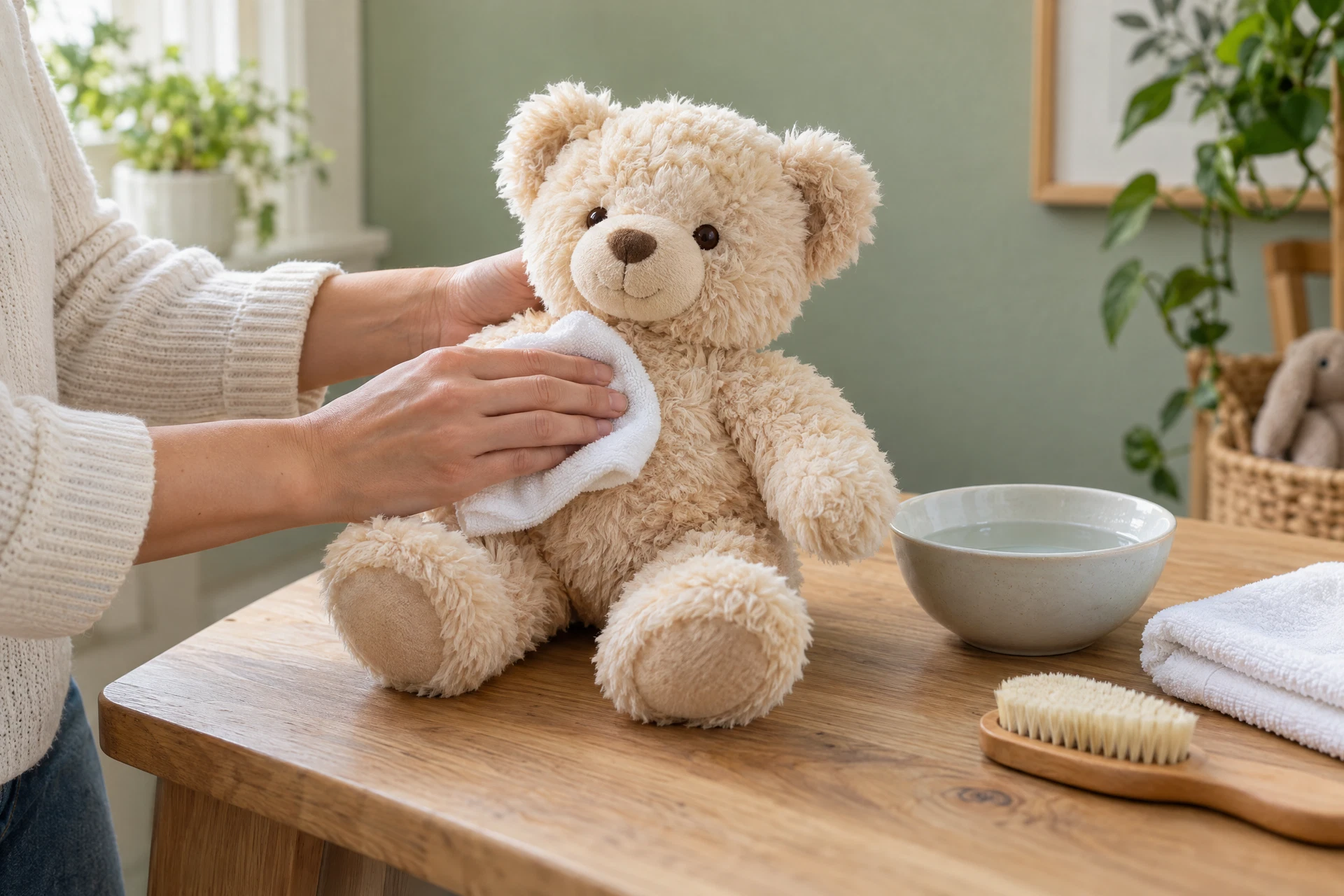
Check the construction details: double-stitched seams, reinforced joints, and secure eyes or embroidered features all point to longer life. If you want a gift that will be handled often, choose models with embroidered noses and eyes to avoid loose parts. Always consult the manufacturer's care label for specific cleaning guidance; differences in fill or fabric can change recommended care substantially. For general maintenance tips, refer to the care guidance page at our care guide.
Size and proportion: pick the scale to suit the context
Size affects function: a lap-sized bear (roughly 12–18 inches) invites cuddling and travel, while a smaller bunny makes a suitable pocket gift or stocking stuffer. Oversized plushes become room statements but are less practical for travel or frequent washing. Match the scale to the recipient’s lifestyle—children who commute between households may benefit from medium-sized, easy-to-manage designs.
Also consider proportion in design. Tall-eared bunnies read differently than round-bodied ones, and a hulking teddy suggests sturdiness compared with a slim, stylized bear. If the goal is a decorative pairing—say a nursery shelf—ensure the chosen piece complements existing objects in both scale and color. A useful decision checklist: measure likely display space, note whether the recipient travels, and choose a size that aligns with both.
Design details that signal personality
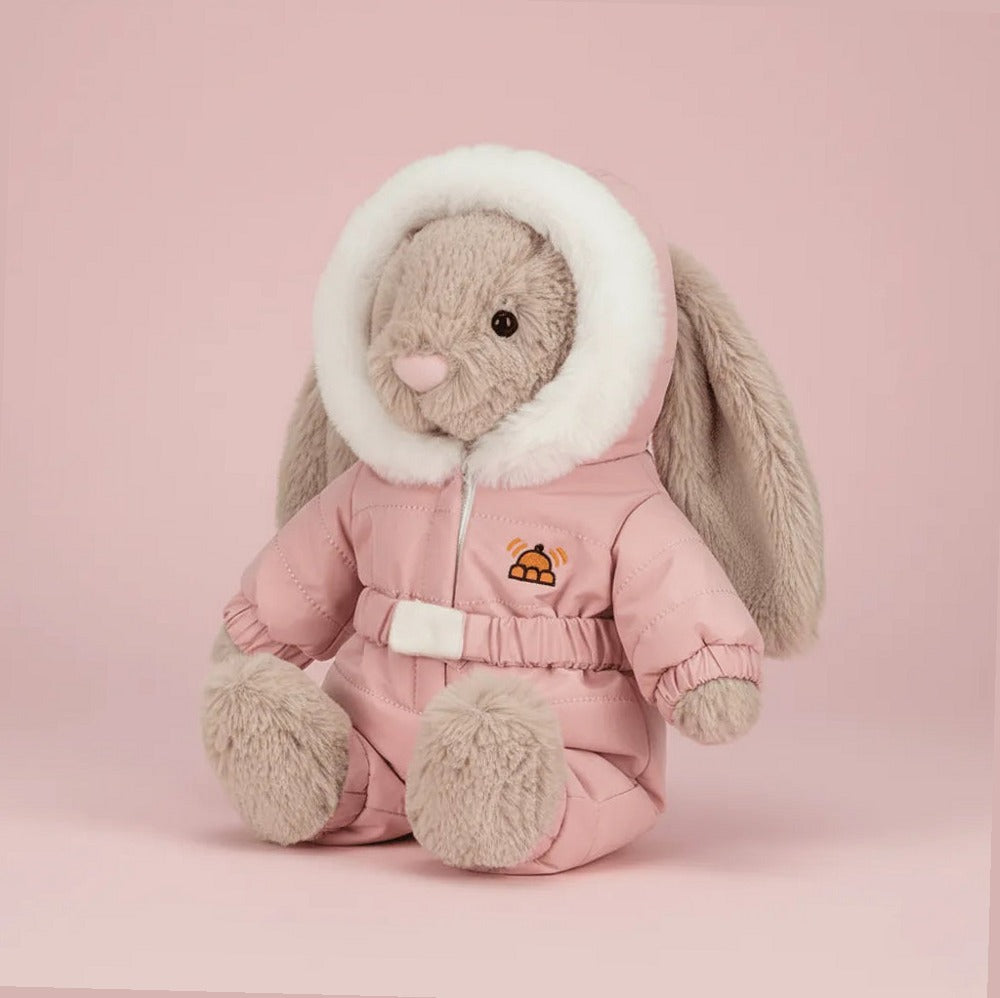
Small design elements convey a lot: stitched mouths tend to look gentler than printed ones; floppy limbs seem more playful, whereas a firm torso reads as collectible. Clothing and accessories—scarves, bandanas, tiny jackets—add character and let you tailor the gift. For example, a bear with a simple knit scarf can feel timeless, while a bunny with embroidered flowers reads whimsical and seasonal.
Color choices also set tone. Neutral tans, creams, and grays make bears versatile gifts for many recipients; pastels and soft pinks commonly appear with bunnies to emphasize sweetness. If uncertain about color, choose a neutral base and add an accessory in a color that reflects the occasion. Small changes like switching a ribbon or bow are inexpensive ways to personalize without altering the plush itself.
Safety and intended use: avoid common mistakes
A frequent error is buying based solely on appearance while ignoring safety and manufacturer age guidance. Eyes and buttons that are not securely attached can become hazards for young children; seam construction and fill type affect durability during rough play. Always check the individual manufacturer label for age suitability and care instructions rather than assuming a toy is appropriate for babies or crib use.
Another common mistake is underestimating care needs. Plush with complex trims or glued-on accents may not tolerate spot-cleaning or damp environments. If the recipient values low-maintenance gifts, prioritize simple construction and easy-cleanable fabrics. Asking one specific question at purchase—'How should this be cleaned?'—prevents many later issues.
Occasion-based picks: matching plush to events
For romantic gestures, choose a bear with classic lines and a small accessory like a satin bow—this reads as intimate and enduring. For congratulations or milestone events, a mid-sized bear with a neutral hue makes a solid choice that won’t feel overly themed. In contrast, a bunny often suits seasonal or youth-oriented events: pair a pastel-colored bunny with a handwritten note for springtime celebrations.
Holiday gifting benefits from subtle theming: a bunny dressed with a tiny wreath or a bear holding a miniature heart ties into the season without going overboard. If the recipient collects specific styles—vintage-inspired, modern minimal, or handcrafted—match the plush aesthetic to their collection. When gifting for nurseries, consult the manufacturer label for suitability and safety guidance before purchasing.
Budgeting and value: what to spend and where to save
Price should reflect construction, material quality, and brand transparency. Higher-cost pieces often use denser fills and better stitching, which can justify the investment for keepsakes. However, mid-range plush can offer excellent value with sturdy seams and attractive styling. Decide ahead whether this gift is meant for long-term display or short-term delight; that decision guides how much to invest.
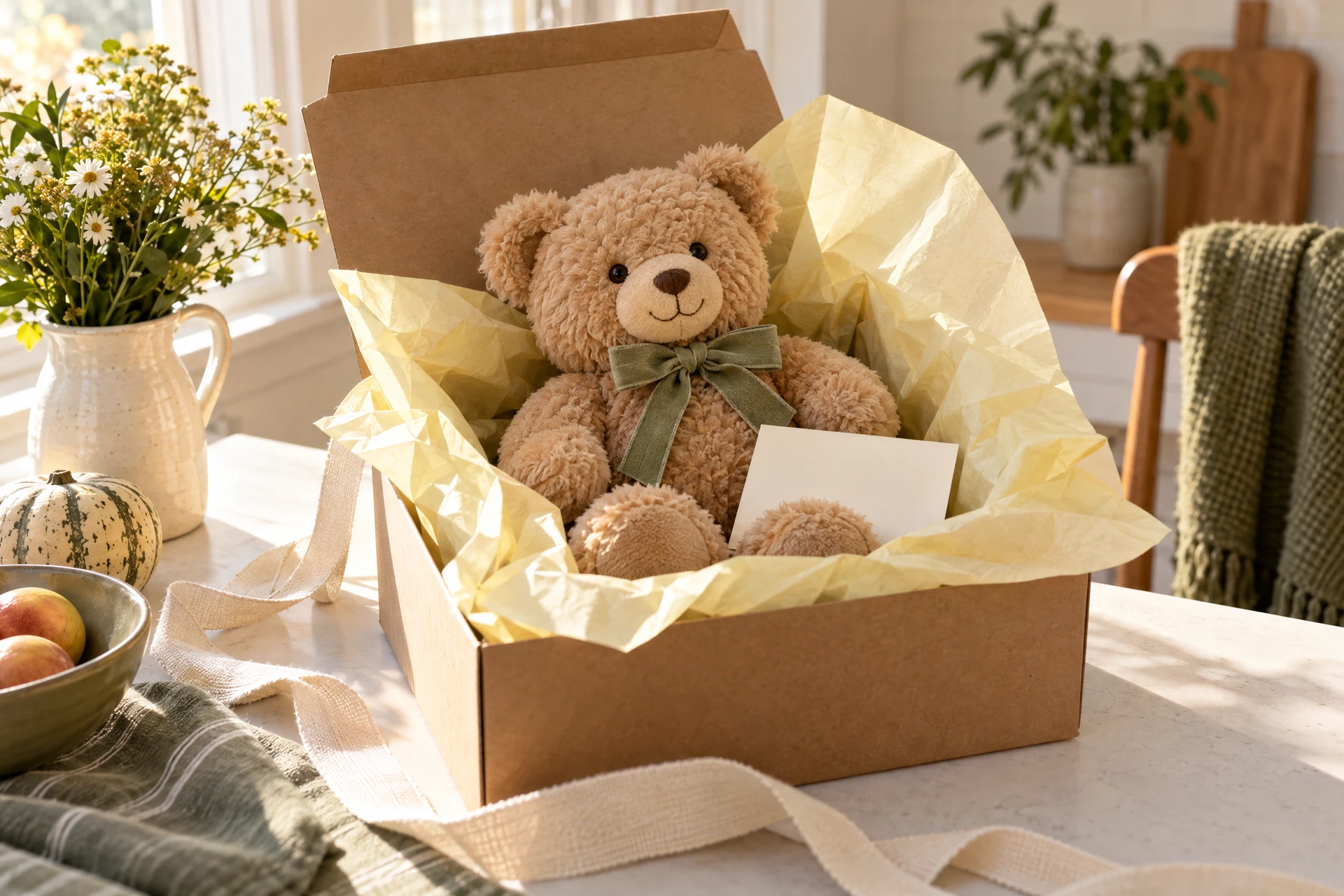
You can save on extras: rather than buying a themed package, choose a well-made plush and add a small accessory—ribbon, card, or gift wrap—to create a custom presentation. For those acquiring multiple pieces for events or boutiques, explore wholesale inquiries via wholesale inquiries to compare options and terms before committing to larger orders.
Actionable example: choosing a gift in five steps
Here’s a quick, repeatable process you can use in-store or online. Step 1: Identify recipient and message (comfort, play, decor). Step 2: Set constraints—size limit, care tolerance, and budget. Step 3: Compare two candidates side-by-side on materials, seam quality, and safety features. Step 4: Personalize with an accessory or handwritten note. Step 5: Verify cleaning instructions on the label and provide that guidance to the recipient when handing over the gift.
Concrete example: choosing between a 16-inch plush bear and a 12-inch plush bunny for a college graduate living in a small apartment. Apply the steps: recipient prefers compact items (constraint), the bunny’s soft profile is easier to tuck into a shelf (fit), but the bear’s neutral color better matches the grad’s décor (style). Decide on the bunny for size, add a neutral scarf to echo the graduate’s colors, and include the care instructions from the manufacturer label in a small note.
Where to ask questions and find support
If you need specific product information—availability, customization, or bulk pricing—reach out directly through a store contact page. Clear questions include: 'What fabrics are used?', 'Are eyes embroidered or attached?', and 'What are the cleaning recommendations on the product label?'. You can get straightforward answers by using the the contact page form to request detailed specs.
For retailers and event planners, discussing terms or larger orders is best done through formal channels; use the dedicated wholesale resource at wholesale inquiries to start that conversation. Whether buying a single keepsake or multiple items for an event, precise questions about construction and care will help you avoid future disappointments.
Explore the details before choosing
Take a closer look at Bunnies, review our plush and clothing care guidance, or ask about specifications and availability before making an order request.