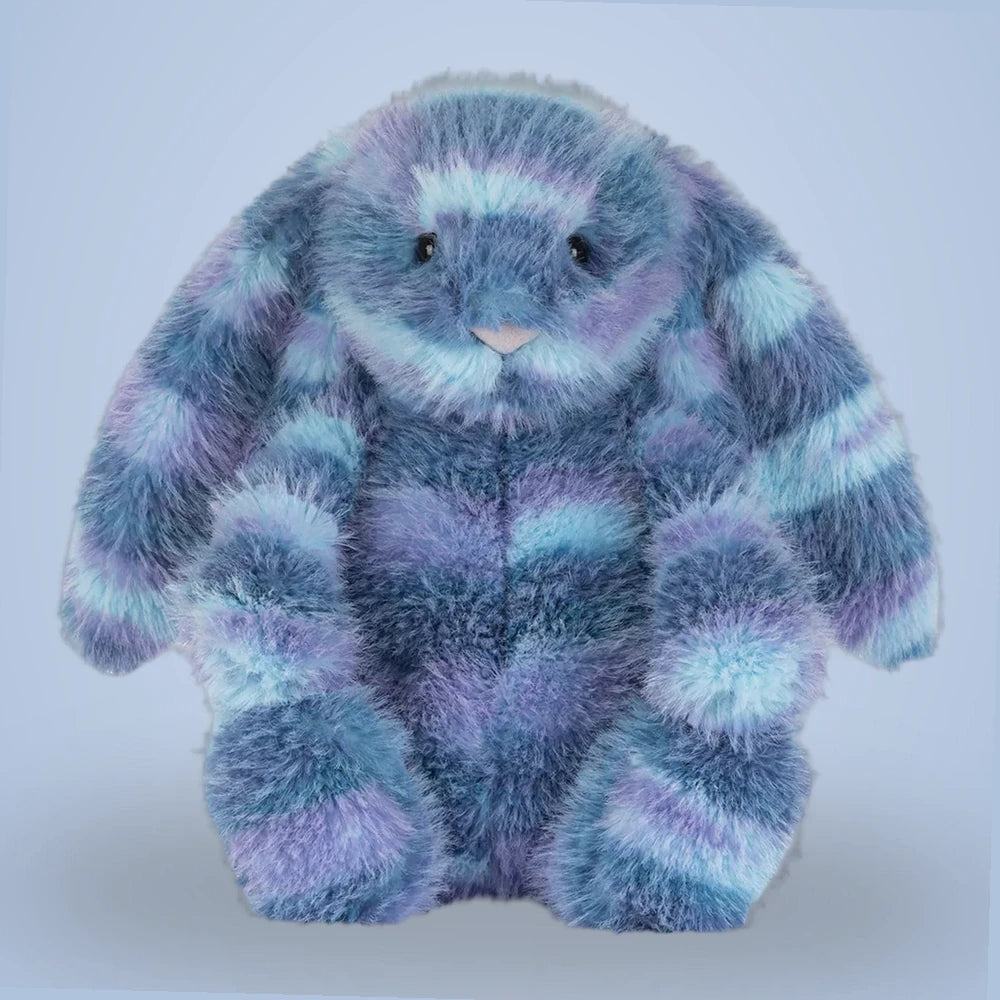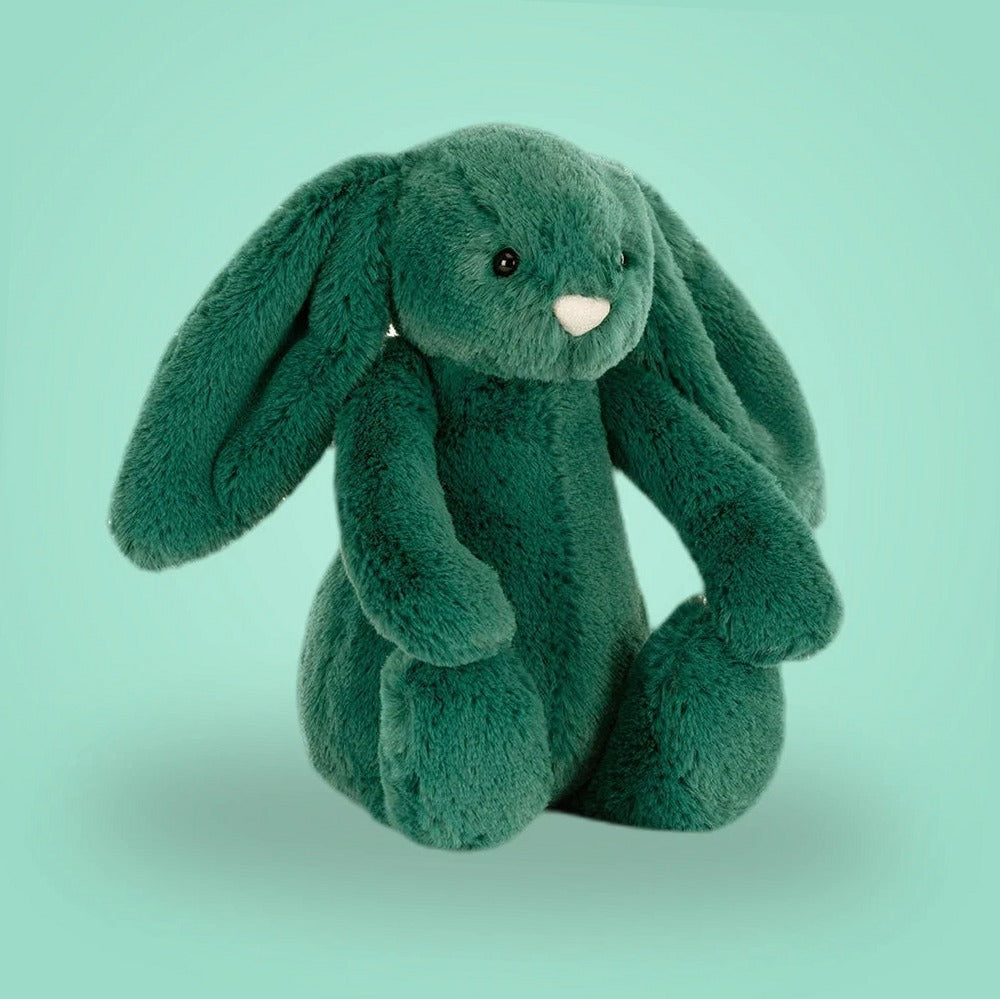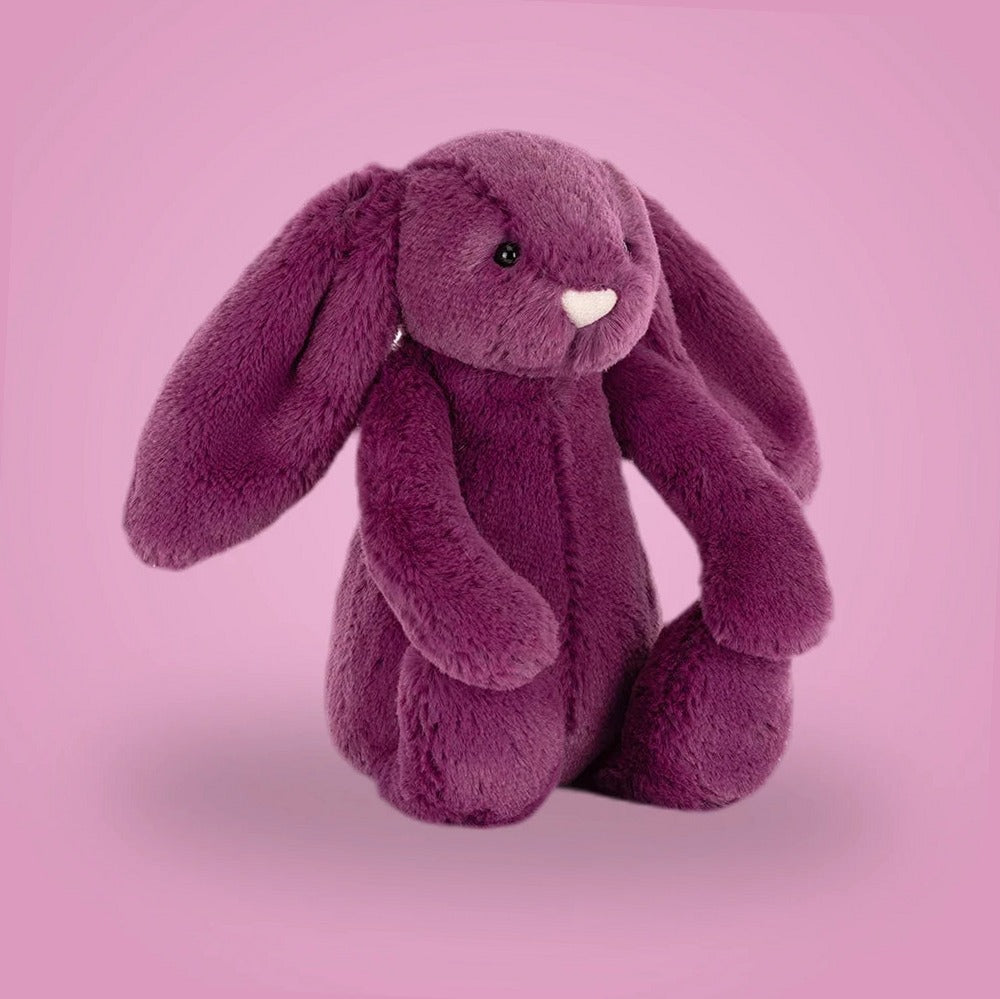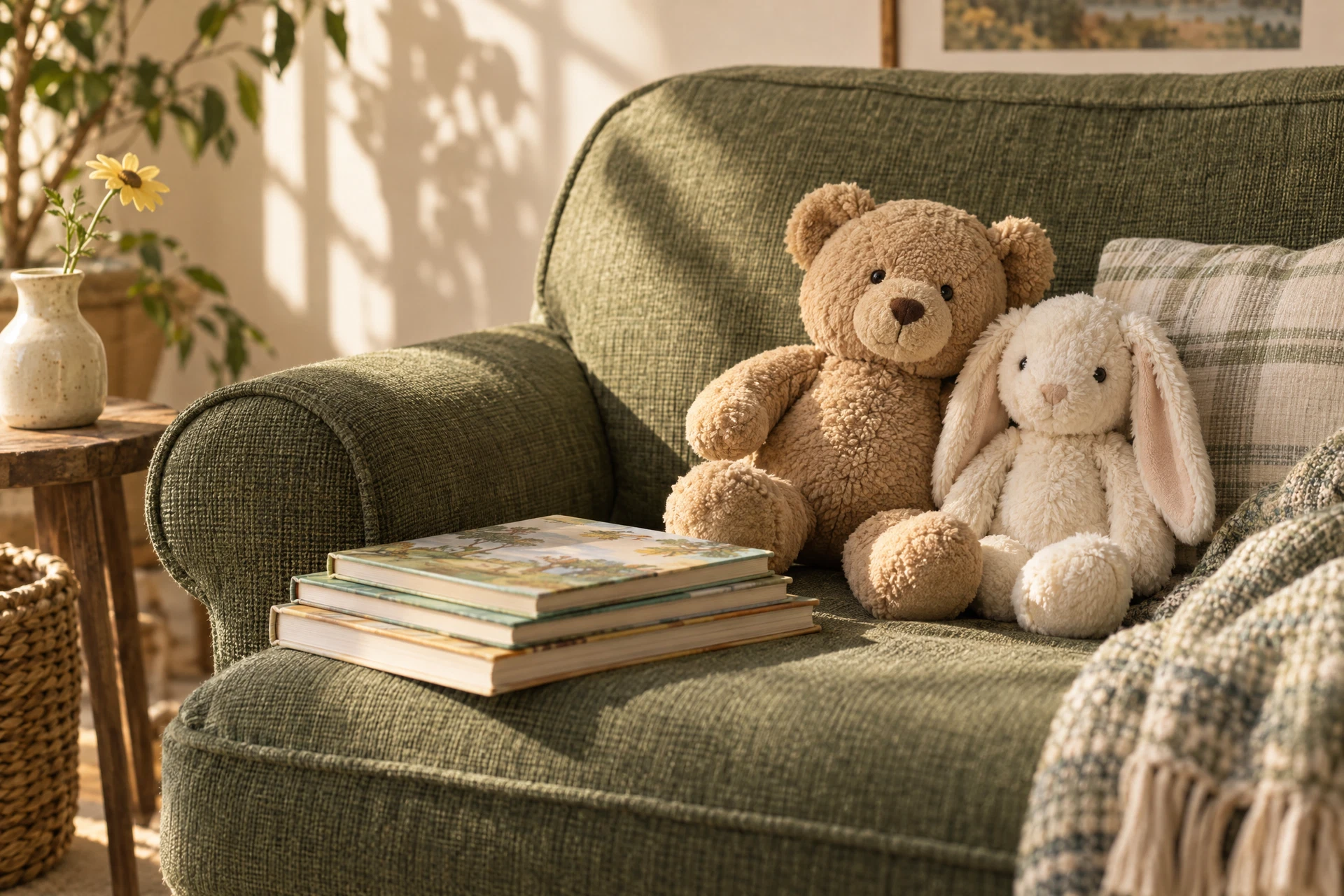
Bunny plush toys demand attention to small, tactile details more than many other plush animals. When you hold one up, the ears, the fur nap, the stitching around the face, and the internal stuffing all contribute to a first impression and a long-term relationship. This guide focuses narrowly on those tangible features—ears, textures, construction, and personality cues—so you can make an informed choice whether you’re buying for a display shelf, a child with specific sensory preferences, or a themed gift box.
We’ll move beyond broad style options and toward practical criteria: how ear design affects posture and safety, what textures communicate about care and durability, how seams and closures impact long-term life, and how designers use facial elements and accessories to create character. Where care matters, always check the individual manufacturer’s label and instructions; this article points out why those directions matter and which features tend to require special handling.
Ears: Shape, Structure, and Purpose
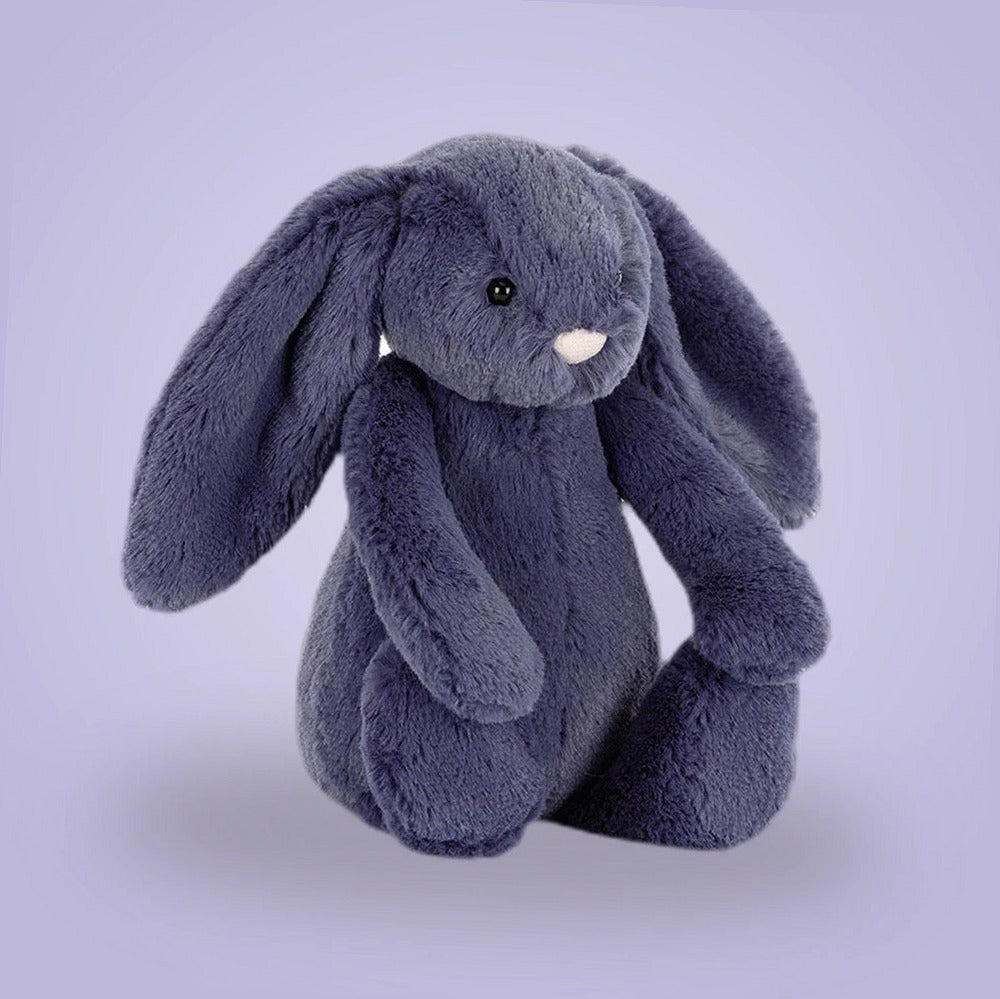
Ears are often the first thing people notice on a bunny plush. Tall, rigid ears with internal stays read as decorative or collectible: they hold pose and are visually striking on a shelf. Softer, floppy ears feel more cuddle-friendly because they conform to the touch and can be draped over a shoulder. When choosing, think about how you expect the toy to be used—display versus frequent handling—and pick an ear type that suits that use.
Also consider ear construction. Single-layer fabric ears are light and simple but can look limp; double-layered ears with light interfacing hold shape without feeling stiff. Some ears include sewn-in wires or stays which allow posing but may reduce machine-washability. A decision checklist: (1) Do you want poseable ears? (2) Will the toy need frequent washing? (3) Is the ear attachment reinforced at the seam? Answering these will point you to the right ear design.
Textures: Nap, Pile Length, and Tactile Appeal
Texture determines how a bunny feels in the hand and how forgiving it will be with wear. Short, velour-like piles look neat and are easy to brush out after being squashed; they often hide stains better and resist matting. Long, plush fur reads luxurious and is sensory-rich but can matt in high-contact zones like the belly and face. Match pile length to intended use: short for active kids or display, longer pile for sensory comfort and photography props.
Mixing textures on a single piece—velvet ears with a fluffy body, or a suede muzzle contrasting with plush fur—adds visual interest and helps define facial features without heavy stitching. If you prefer low-maintenance, choose fabrics that tolerate surface-cleaning methods recommended on the label. A small example: for frequent handling, pick a bunny with a short pile body and long-pile accent on the ears so you get both durability and sensory variety.
Construction and Durability: Seams, Stuffing, and Reinforcement
Look closely at seam placement and reinforcement when assessing longevity. Reinforced seams at limb and ear join points reduce splitting risk. Flat-felled seams or double stitching around high-stress areas add durability without adding bulk. Evaluate stuffing density as well—firm stuffing holds shape for display, while softer stuffing yields better cuddling comfort but may flatten over time.
Consider the closure method for stuffing access. A well-hidden zipper can allow repairs or restuffing but may be a snag point; a sewn closure is more robust but complicates future fixes. Practical decision criteria: (1) are stress areas double-stitched? (2) does the toy have a repair-friendly closure? (3) is the stuffing evenly distributed? Use these questions when comparing options in person or via detailed photos on product pages such as the Bunnies collection.
Personality Through Face Design and Accessories
Facial features create instant personality. Embroidered eyes and noses produce soft, durable expressions that withstand washing and offer no loose parts. Plastic eyes and noses can add sparkle but are more vulnerable to detachment in heavy-use scenarios. Subtle eyebrow stitches or sculpted snouts convey emotion—cheek fullness suggests youthfulness, while longer muzzles can feel more realistic or mature.
Accessories such as removable scarves, tiny baskets, or sewn-in tags change how a bunny reads in seconds. If you want interchangeability, choose removable accessories attached with snaps or velcro rather than permanent stitching. A common mistake is prioritizing elaborate accessories without checking how securely they’re attached; loose parts can be lost or become choking hazards, so inspect attachment methods when buying for mixed-age households.
Color and Pattern: Practical Matching and Maintenance
Color choice affects visibility of soiling and how the piece complements other décor. Light colors look gentle and classic but show dirt quickly; darker tones conceal stains but can show lint and fading. Consider where the bunny will live—on a child’s bed, a display shelf, or in a nursery—and pick colors that balance aesthetic and maintenance needs.
Printed patterns and engineered shading can hide wear in high-contact spots, while solid colors emphasize texture and silhouette. If you’re building a themed set, use color as a shorthand for personality—muted pastels for calm, bold contrasts for playfulness. Check the label for dye fastness if you anticipate washing; some rich dyes may bleed or fade with laundering.
Care Basics and Common Mistakes
Care begins with reading the manufacturer’s label. That label will outline whether surface-cleaning only is required or if machine laundering is permitted. A frequent mistake is assuming plush toys can be treated the same way—different materials and internal components (like wired ears or plastic eyes) dictate different approaches. Always follow the specific instructions provided for that item.
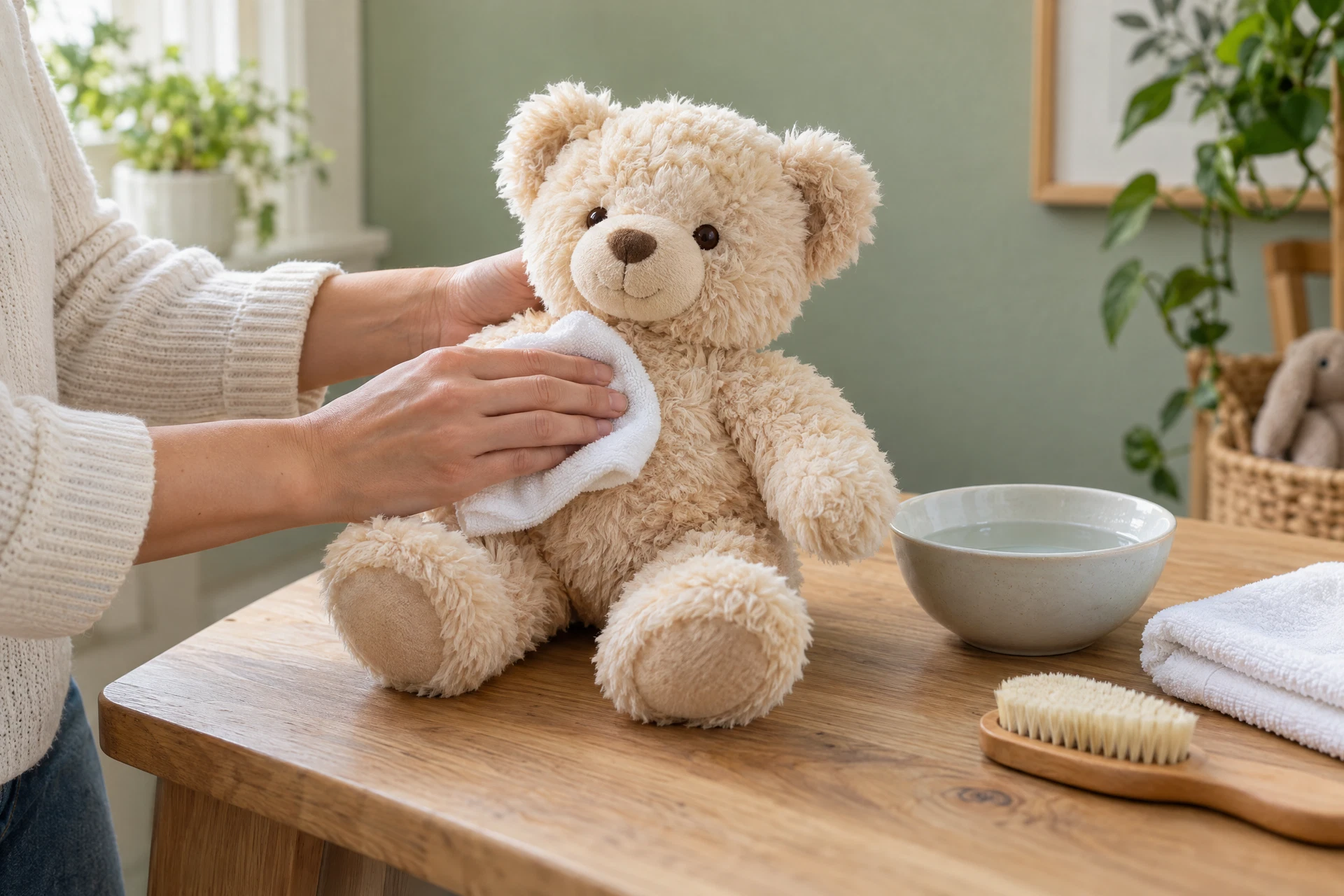
When labels allow water, many owners use a gentle hand-wash or a protective laundry bag on a delicate cycle, but this is not universally safe—refer to the exact care label. For spot-cleaning, use a mild detergent and test on an inconspicuous area first. A small actionable routine: wipe visible dirt with a damp microfiber cloth, use mild soap for grease spots, pat to remove excess moisture, and air-dry away from direct heat or sunlight to preserve color and shape. For more detailed guidance, see our care guide.
Shopping Tips: Questions to Ask and Red Flags
Ask about materials and construction specifics: what fabric is used for the pile, are facial features embroidered, how are ears attached, and is the internal stuffing synthetic or natural? For retail purchases, request close-up photos of seams and high-contact zones before buying online. If you need multiples for a themed display or wholesale needs, contact the seller pages such as wholesale inquiries to discuss consistent batches and any variation across runs.
Red flags include visible glue at seams, uneven stuffing, and poorly aligned facial features. Also be wary when care instructions are missing or inconsistent. If a product page omits fundamental details like closure method or attachment style for accessories, follow up via the the contact page page before committing—clear answers will help you avoid a disappointment or an item that requires premature repair.
Deciding Between Collectible and Play Models
Collectible bunnies often prioritize aesthetic fidelity: finely tailored clothes, wired ears, and delicate fabrics that look great in a cabinet but are fragile in play. Play models emphasize resilience: reinforced seams, machine-durable fabrics, and simplified accessories that won’t detach. Decide which matters more for your situation—longevity of looks or resilience under use.
A practical way to decide is to score each candidate across three axes—Appearance (1–5), Durability (1–5), and Care Demand (1–5)—then total the score against your intended use. For a child’s everyday companion you’d weight Durability higher; for a shelf display, Appearance carries more weight. This small example helps translate subjective impressions into an actionable buying decision and reduces impulse buys that don’t fit real needs.
Explore the details before choosing
Take a closer look at Bunnies, review our plush and clothing care guidance, or ask about specifications and availability before making an order request.