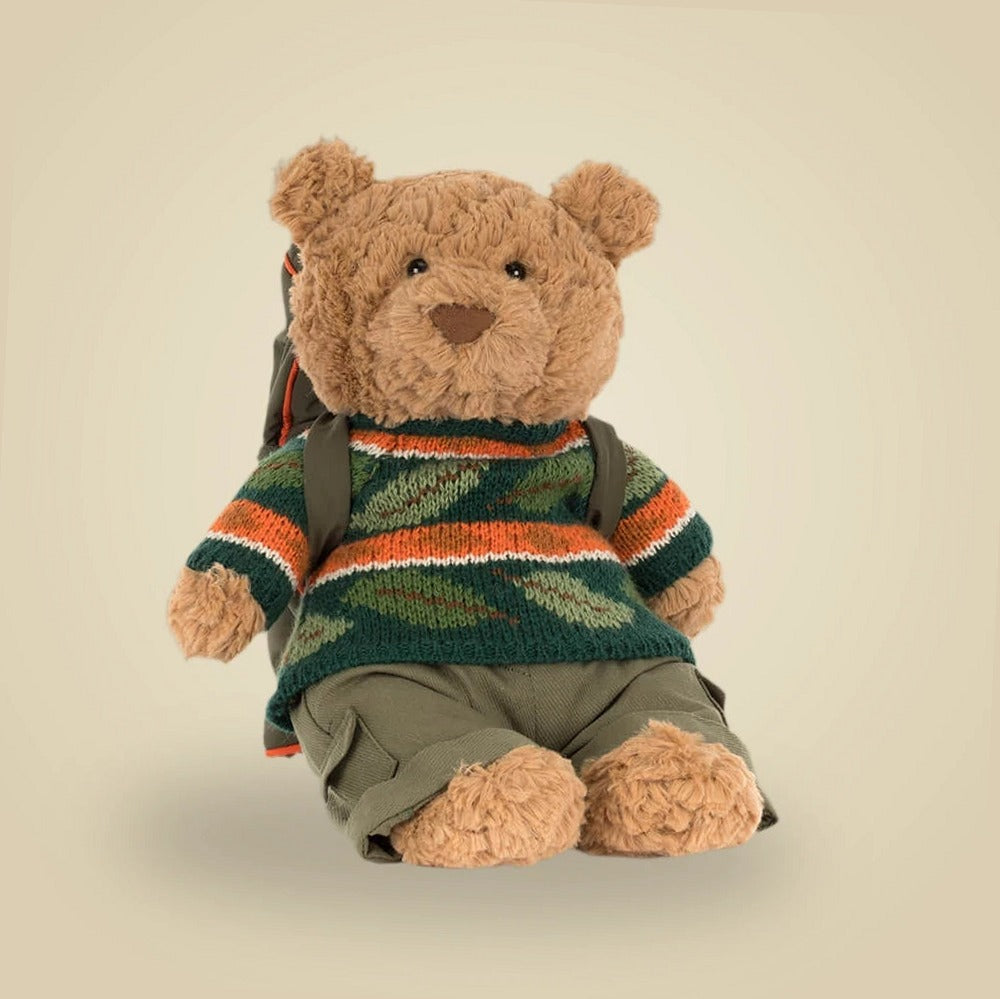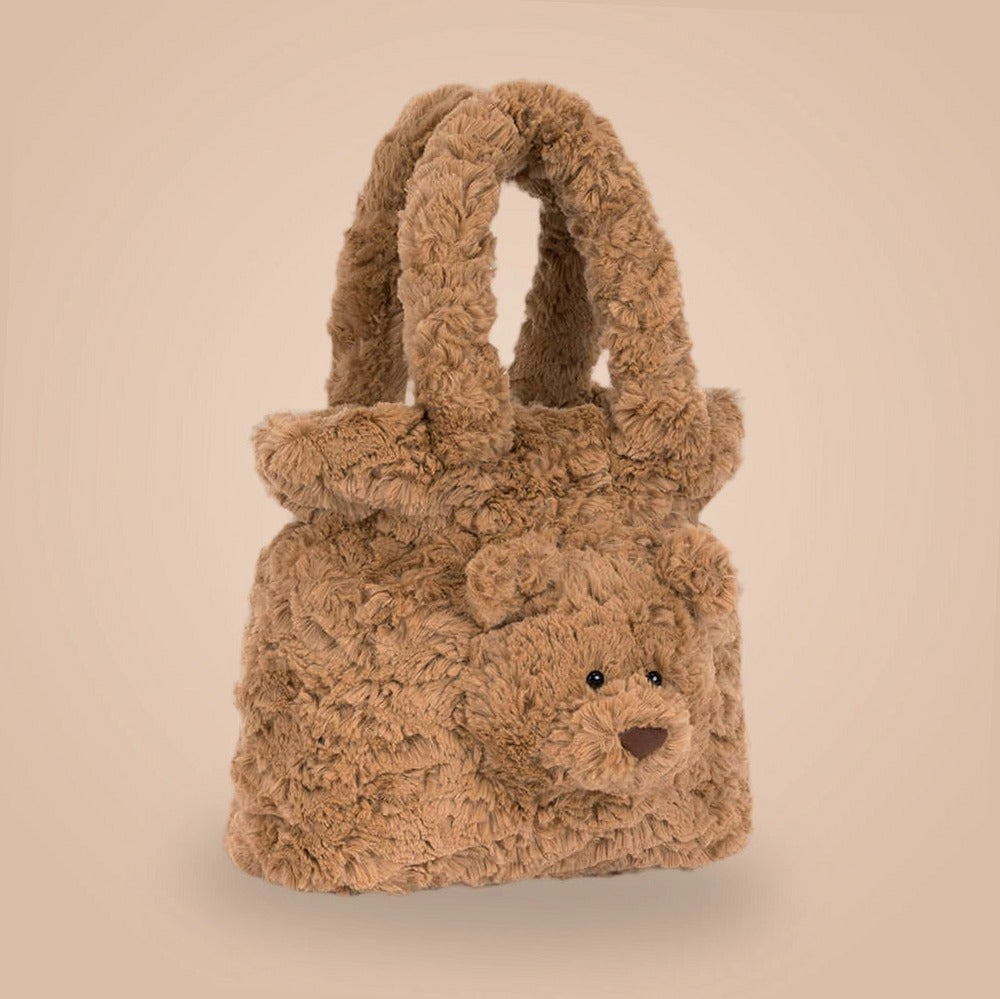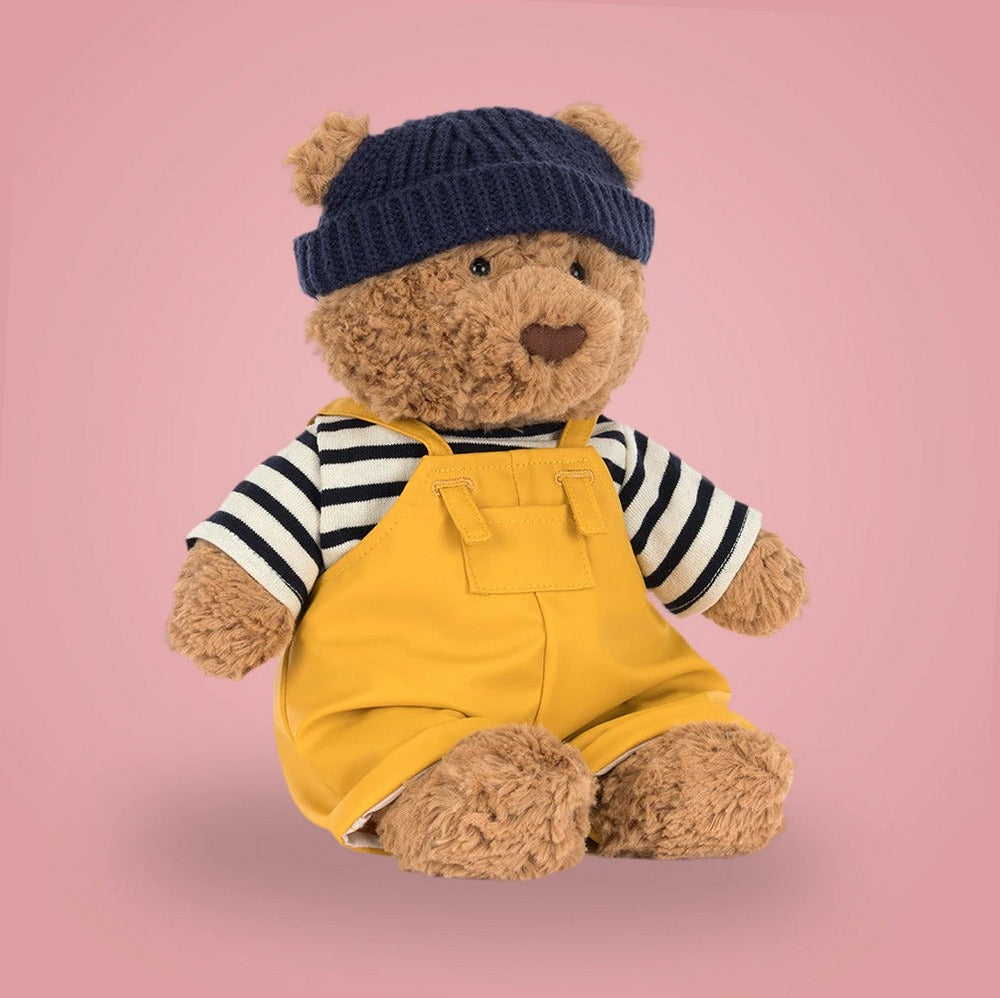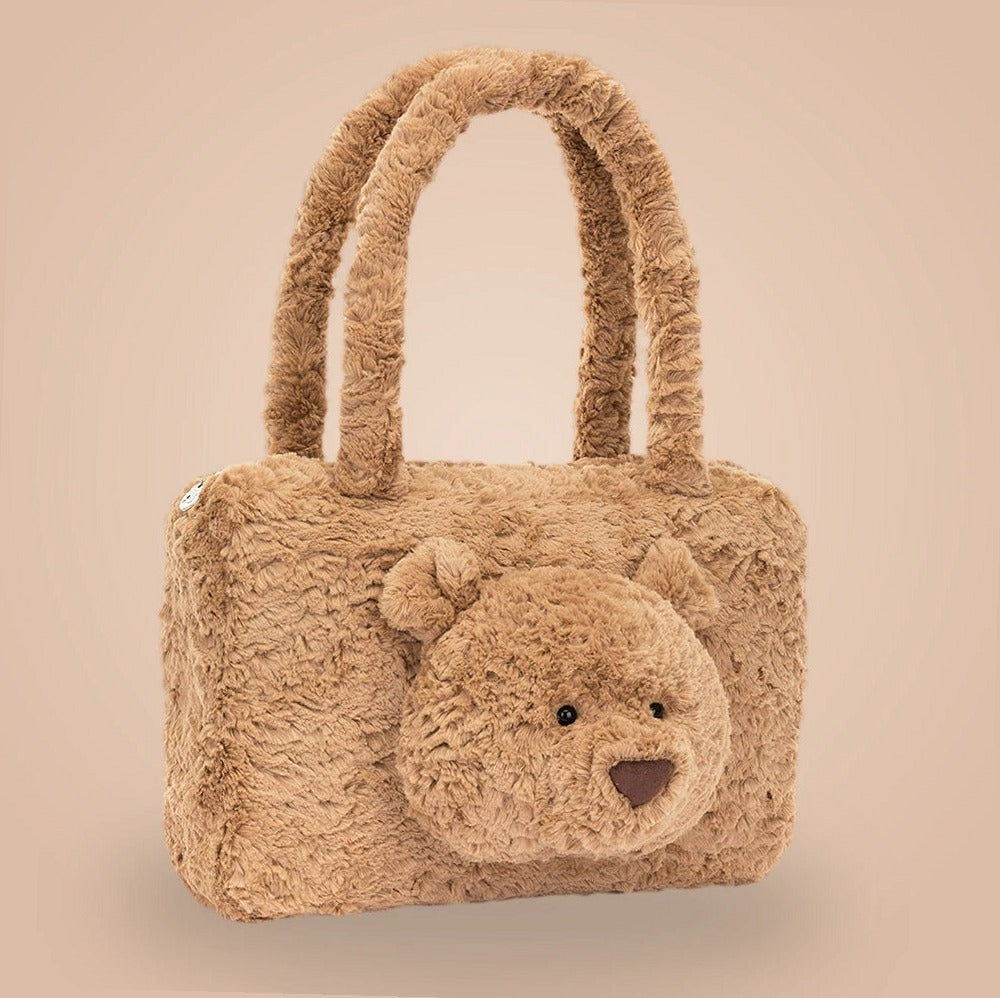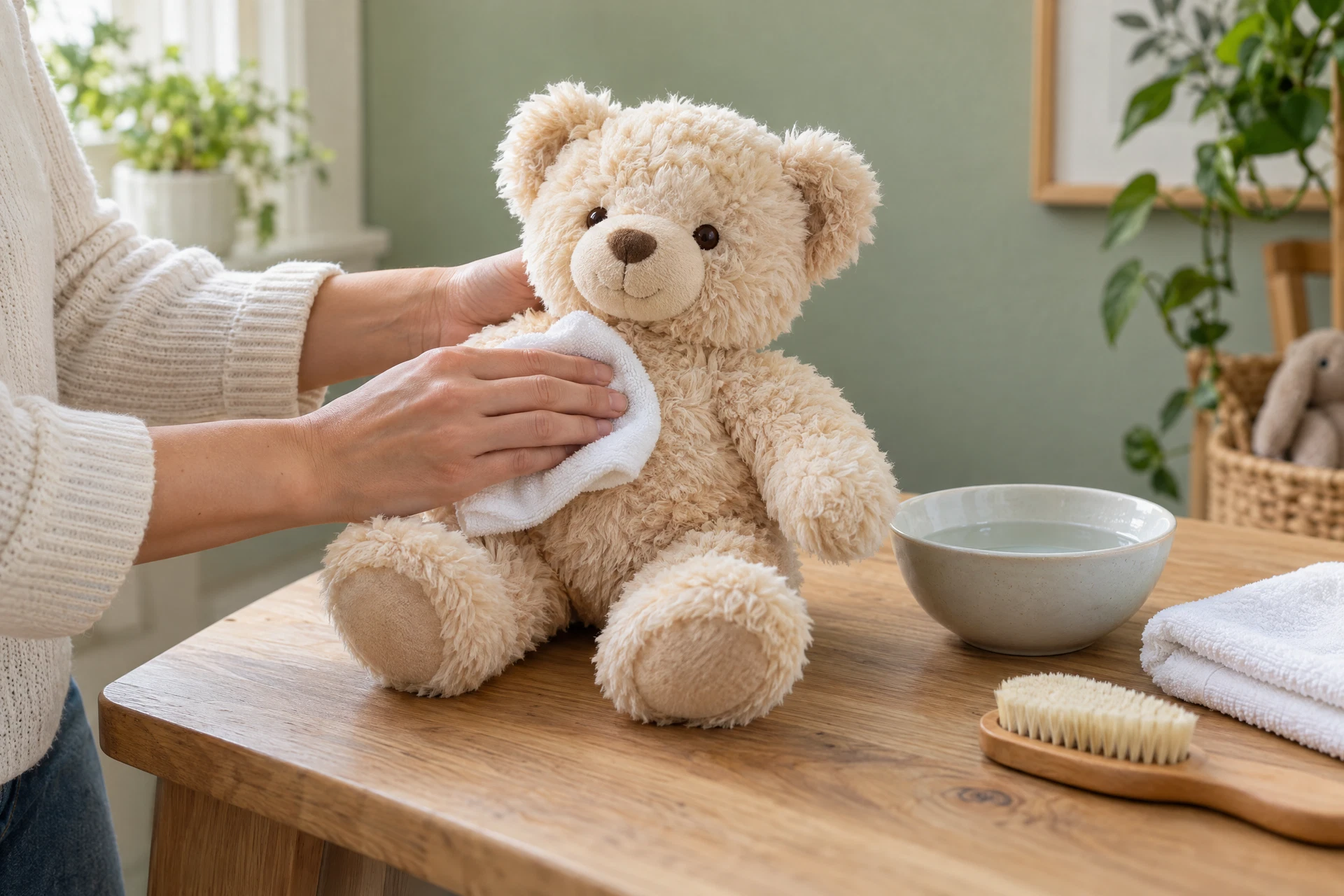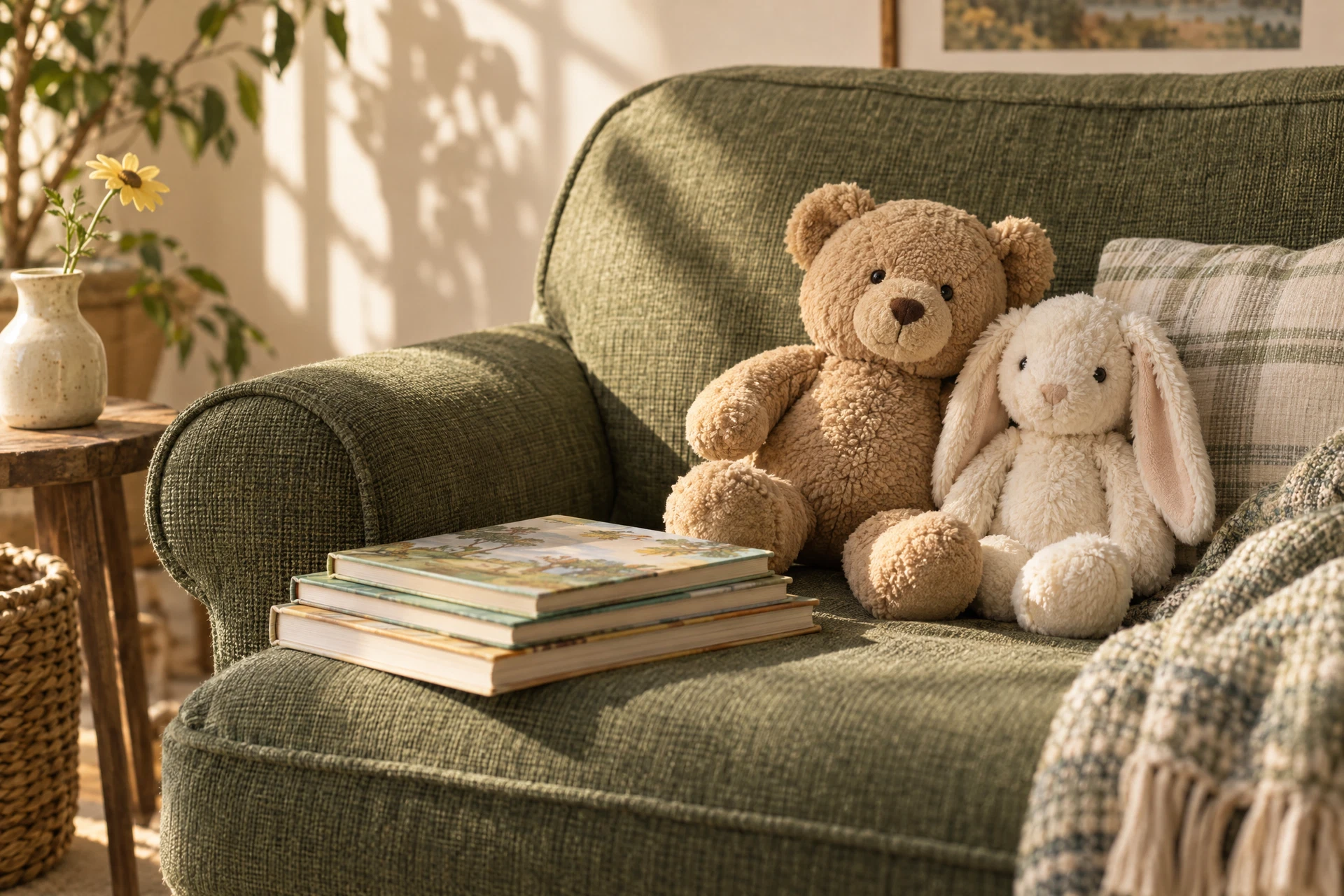
Buying a plush feels simple until you need to decide what ‘‘size’’ really means. Is it about inches from nose to tail, how much shelf space it takes, or how heavy it feels when a child hugs it? This stuffed animal size guide focuses on the practical decisions shoppers face: where the plush will live, who will use it, how it will be cared for, and how the size affects shipping, storage, and display.
This article avoids vague marketing terms and gives concrete ways to measure, compare, and choose. You’ll find rules of thumb for play vs. decor, suggestions for measuring and picturing scale in your home, a short checklist to apply to any product listing, common mistakes to avoid, and a small example that walks through choosing a plush for a birthday present.
Why size matters beyond the label
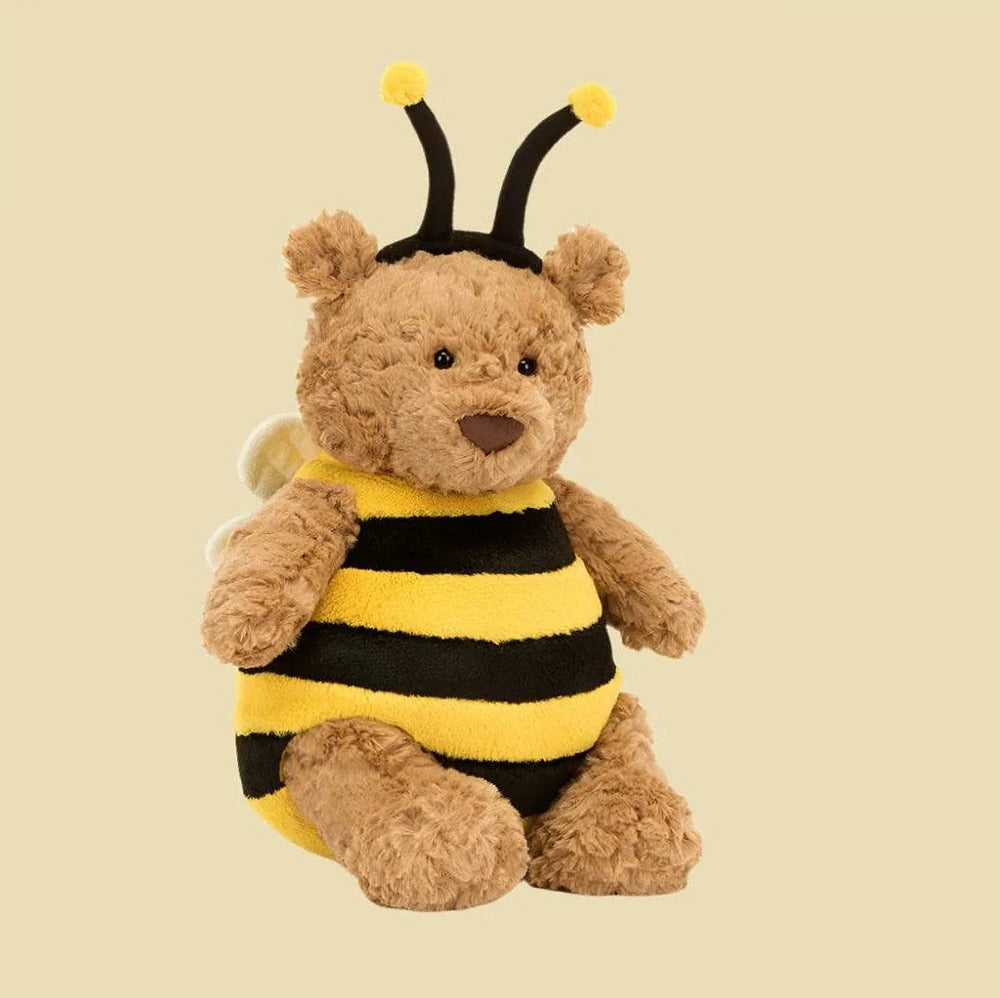
Manufacturers often give a single measurement—usually length—while shoppers need to consider volume, weight, and footprint. Length tells you how long the plush is from tip to tail, but not how much space it needs on a bed or shelf. Think in three dimensions: height when sitting, depth when laid on its side, and the visual space it occupies among other objects.
Size also affects how the plush is used. A compact plush is easier to carry and store, while a larger one becomes a decorating statement or cuddle companion. When planning, imagine the intended surface: will it fit on a nightstand, crowd a toddler’s backpack, or require floor storage? Those answers determine whether a size is practical for your setting.
Common measurement terms and what they actually mean
Length typically measures the longest axis—nose to tail or top to bottom. Height can mean standing height or sitting height; some plushes look much larger when upright than when laid flat. Depth and girth indicate how much shelf space a plush consumes and whether it will appear plump or flat when arranged.
If a product listing includes weight, use it to predict heft and shipping cost. Heavy fill can make a plush feel premium but less portable. When listings lack detail, request photos with a ruler or common objects for scale, or ask the seller for measurements of sitting height, overall length, and widest point.
Deciding by use: play, display, travel, or gift
Match the plush to how it will be used. For everyday play, choose sizes children can manage: small enough to carry but large enough to hug. For display, prioritize a size that balances with shelving and room decor—oversized pieces can be focal points; smaller pieces work well in groupings. Consider where it will be stored when not in use.
Travel and on-the-go needs favor compact, lightweight plush with secure seams and fewer loose accessories. For gifting, the presentation matters: a mid-sized plush often reads as substantial without creating shipping complications or storage headaches for the recipient. Base the decision on the receiver’s living space and habits.
Visual scaling techniques to avoid surprises
Create a simple mock-up to visualize scale: place a tape measure across the bed or shelf where the plush will sit, and mark the endpoints with cloth or paper. Photographs of the marked area help compare with product photos. If you’re buying online, overlay the listed length on your marked photo or hold the same measurement in front of your camera for a side-by-side view.
Another quick trick is to use everyday objects as reference. A standard coffee mug is roughly 4 inches tall—if a listing shows the plush next to a mug, you can judge size more accurately. When product images include a person, check that the person’s height or hand size is plausible, then mentally map that to your domestic setting.
Common mistakes buyers make (and how to avoid them)
Relying on a single dimension is the most common pitfall. A plush listed as 18 inches long might be very flat or very round; both occupy different amounts of space. Always seek at least two measurements—length and sitting height—or ask for the plush’s widest point. If a seller won’t provide extra details, assume the plush may be larger than it appears.
Ignoring the intended user’s abilities leads to frustration. For small children, very large or heavy plush can be difficult to manage; for adults or teens, very small plush may feel like an afterthought. Consider mobility: if the plush will travel or be washed frequently, choose a size that’s practical for your routine and check the individual manufacturer’s label for care guidance.
Practical criteria checklist to apply to any listing
Before you buy, run through this quick checklist: 1) Are there at least two measurements listed (length plus height or width)? 2) Is a weight shown or can it be provided? 3) Does the photo include a reference object or person for scale? 4) Where will it live—bed, shelf, floor, or bag—and have you measured that surface? 5) Can the intended user lift and carry it comfortably?
If any item on the checklist is unclear, contact the seller with specific questions: request sitting height, widest point, and a photo with a ruler. For gift purchases, add notes about expected storage space at the recipient’s home. When ordering multiple plushes for display, pre-measure the shelf and mentally reserve breathing room between items—usually at least one inch on each side—to avoid a cramped appearance.
A short example: choosing a birthday plush
Scenario: you’re choosing a birthday plush for a nine-year-old who loves taking a stuffed friend to birthday parties and sleepovers. Start by measuring the child’s backpack pocket or the typical pillow used for sleepovers. If that pocket is about 10 inches deep, a plush listed as 12 inches in length that compresses easily may be impractical.
Using the checklist, ask the seller for weight and sitting height. Favor a plush in the 8–10 inch usable footprint that’s lightweight and compressible—large enough to hug but small enough to pack. If you’re unsure, choose a model with a removable accessory that signals ‘‘play’’ and can be detached to reduce bulk during travel.
Care and storage considerations tied to size
Larger plush often require more careful storage to maintain shape: avoid squashing them under heavy items and rotate position occasionally to prevent flat spots. Smaller plush can be stored in bins or on hooks to save space. For hygiene, check the individual manufacturer’s label for cleaning instructions before planning rinses or machine cycles; do not assume all plush are machine washable.
Packing for storage or shipping changes with size: use breathable containers for long-term storage and avoid airtight plastic that traps moisture. If you rotate seasonal displays, plan a storage solution that keeps larger pieces on top and smaller items nested to protect delicate features like stitched eyes or sewn-on charms.
When buying multiples: coordinating scale and grouping
If you’re building a collection or curating a shelf, mix sizes deliberately. A single large plush can anchor a display, while a trio of medium plush creates balance. Keep a consistent scale ratio—if the largest piece is roughly 24 inches, secondary pieces around 12–16 inches will complement it without competing. Visual harmony comes from varied heights and similar color families.
For retail purposes or events, use nested packaging or stackable storage to save space when transporting multiples. When ordering several items, ask for consistent measurement methods from the vendor so your display pieces match expectations. For business inquiries, consult the seller’s wholesale contact to discuss bulk sizing details before committing to large orders.
Explore the details before choosing
Take a closer look at Bears, review our plush and clothing care guidance, or ask about specifications and availability before making an order request.