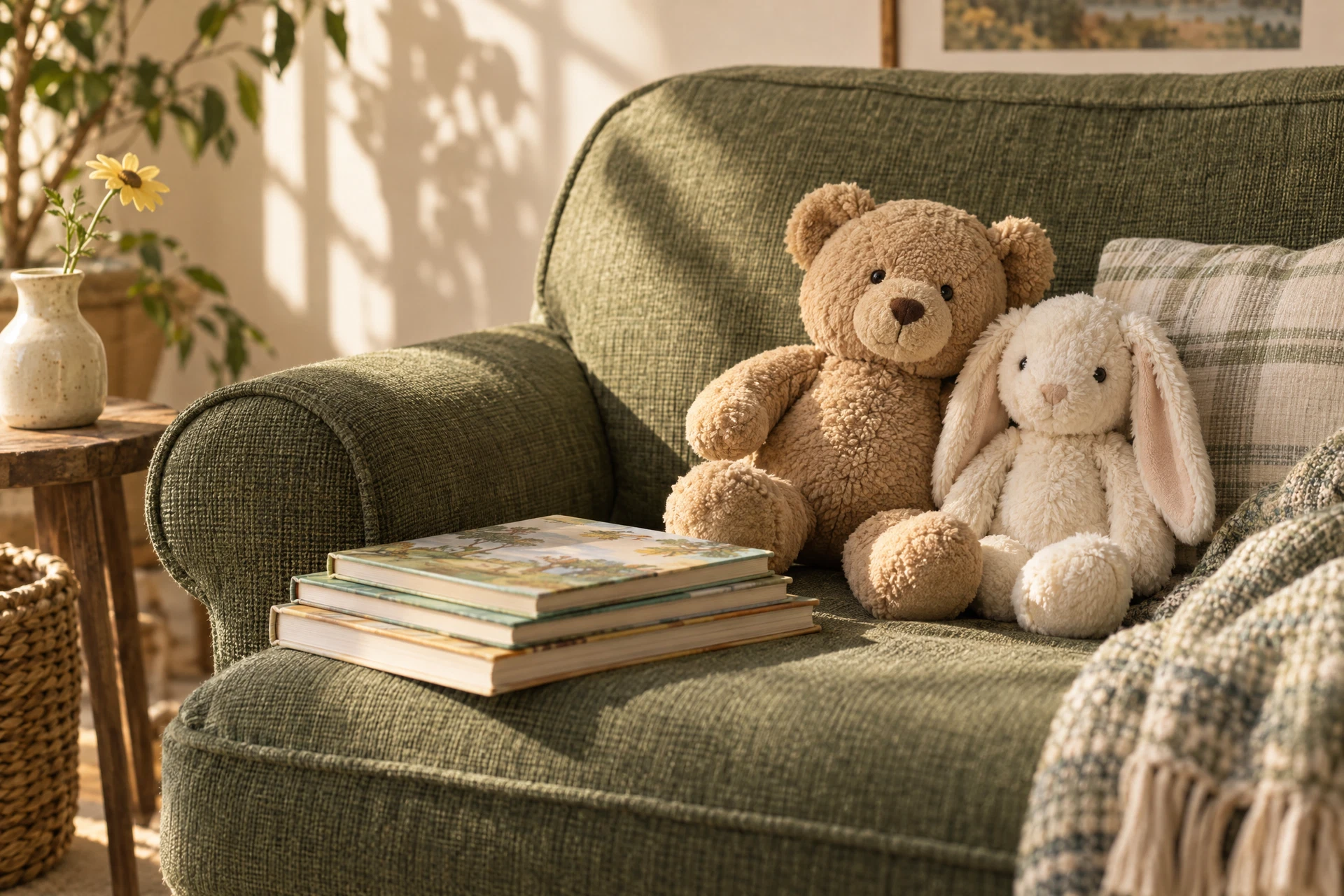
Collecting teddy bears is less about accumulating cute objects and more about assembling a coherent, meaningful collection. When you focus on teddy bears for collectors, you move past impulse purchases and toward decisions based on provenance, condition, maker, materials, and personal taste. A narrow focus—such as antique German mohair bears, limited-edition artist bears, or mid-century plush—helps you set standards that make comparisons straightforward and curbs buyer’s regret.
Before making a purchase, you’ll want to define two practical goals: what a bear should represent in your collection and how you plan to care for it. Will it be a display piece, part of a themed grouping, or an investment you may resell? Think about storage, exposure to light, and handling. For product browsing, see the teddy bear selection at the Bears collection and if you have specific questions about care, consult the manufacturer's label and our guidance at our care guide.
Provenance and Documentation
Provenance is the story behind a bear: manufacturer, year, original owner, and any documentation such as tags, certificates, or original boxes. For many collectors, a certificate of authenticity or an intact hang tag increases desirability and value. Ask sellers for photos of labels, interior tags, or maker marks. If information is incomplete, a clear description of how the seller determined age or origin is useful—look for receipts, previous auction listings, or a consistent maker’s mark.
Checklist: request close-up photos of labels and seams; ask for any available provenance paperwork; verify seller notes about restoration. Avoid assumptions: a missing tag doesn’t automatically mean a bear is modern or fake, but it does mean you should require more evidence before paying a premium.
Common mistake: relying only on appealing photography. High-quality photos can obscure replaced parts or hidden repairs. Insist on images from multiple angles and of the bear’s undersurface, inner joints, and any stamped or stitched markings.
Condition: What to Inspect
Condition is the single most influential factor in valuation. Examine fur or pile for thinning, balding, or discoloration; check eyes for clouding or crazing; and test joint tightness gently if handling is permitted. Note repairs: re-stitched seams, patched patches, or replaced pads are common. Light surface cleaning and cosmetic touch-ups are different from structural repairs like re-jointing or head re-stuffing, which usually lower collectibility.
Use a short checklist when viewing bears in person or evaluating photos: even pile, intact stitching, original or documented replacement eyes/nose, secure joints, and presence of original limbs and pads. Request measurements and weight if you need to confirm manufacturer specifications. Small stains can sometimes be treated, but always check the maker’s care label and ask the seller about previous cleaning attempts.
Common mistake: equating newer appearance with higher quality. Some collectors prize original wear and light scent as part of a bear’s character. Decide whether your preference is mint-like condition or preserved patina before bidding or buying.
Rarity and Edition Size
Rarity can be driven by production numbers (limited editions), short production runs, or unique artist-made pieces. For mass-produced bears, look for edition numbers and matching certificates. Artist bears often come with signed documentation and may have distinct features like hand-stitched noses or unique clothing. When assessing rarity, compare the claimed edition size with the wider market: do similar examples appear regularly, or has this model become scarce?
Practical approach: research sale history for the model you want and set a search alert for similar listings. If you’re considering an editioned bear, ask for the edition number and how many remain available through official channels. Keep in mind that small editions can carry premium prices but may also be harder to resell if interest wanes.
Common mistake: assuming limited production always equates to future value. Demand, condition, and maker reputation typically have larger roles than sheer scarcity. Balance rarity against personal enjoyment and display plans.
Materials and Construction
The materials—mohair, synthetic plush, felt, or blended fabrics—affect look, care, and longevity. Mohair is valued for its sheen and durability but requires careful maintenance; synthetic plush may be more forgiving for display and handling. Inspect construction details like hand-sewn joints, limb attachment methods (thread or cotter-pin), and whether the eyes are sewn, glass, or plastic. These choices influence how a bear moves, how you’ll display it, and what conservation steps are appropriate.
Checklist: identify the pile material, verify the type of eyes and nose, locate the joint method, and note any internal stuffing changes. If materials aren’t explicitly listed in the description, ask the seller to provide clear macro photos and their best estimate. For items you intend to handle frequently, prefer durable construction and stable joints.
Common mistake: overvaluing an attractive exterior while ignoring internal construction. A bear with fragile joints or degraded stuffing may require restoration—factor that into your budget and timeline before purchase.
Authenticity and Reproductions
Authenticity issues arise when reproductions or later restorations mimic desirable older bears. Look for maker marks—stamped feet, sewn labels, or unique stitching patterns—and compare them to documented examples from reputable references. Sellers should disclose reproductions or modern remakes; when they don’t, ask direct questions about any parts that appear newer or mismatched.
A practical test: study seam lines and fabric wear distribution. Reproductions often feature uniform wear or machine-stitched seams where a hand-stitched original would show irregularities. If a listing claims significant age, request close-ups of any maker’s marks and the inside of the neck seam where older bears often have labels or stamps.
Common mistake: trusting persuasive language in listings without corroborating images. If authenticity matters to you, purchase from sellers who provide verifiable documentation or who welcome third-party appraisal requests.
Display, Storage and Conservation
How you display and store bears affects their long-term condition. Keep them away from direct sunlight to avoid fading, and choose low-humidity environments to slow deterioration of fabrics and stuffing. For display, avoid placing bears in enclosed plastic bags which can trap moisture; breathable fabric covers and acid-free boxes are preferable for long-term storage. Rotate displayed items occasionally to prevent uneven light exposure.
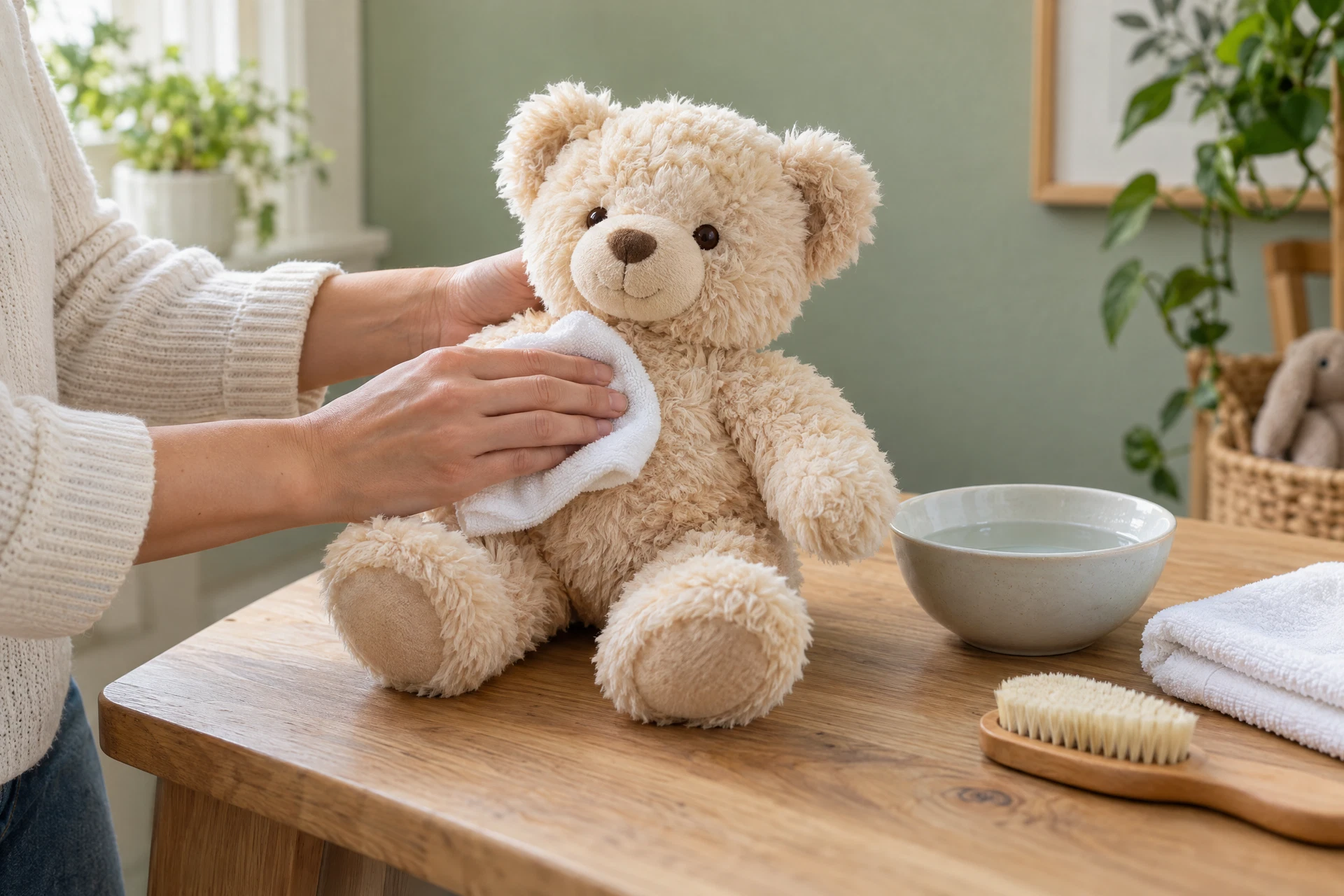
If you handle bears, wash your hands first and use cotton gloves for fragile, antique pieces. Dust regularly with a soft brush or low-suction vacuum with a screen barrier. For specific cleaning methods, follow the manufacturer’s label and professional advice rather than generic instructions—care needs vary by material and construction.
Common mistake: storing bears in attics, basements, or garages where temperature and humidity fluctuate. Those environments accelerate fabric breakdown and encourage pests. Plan for climate-stable storage if you intend to keep a collection for decades.
Pricing and Budgeting
Set a clear budget before you start hunting. Prices for teddy bears for collectors vary widely; condition, rarity, maker, and documentation all influence value. Compare recent sale prices for similar items rather than relying on asking prices. Online marketplaces and auction results provide useful benchmarks—track actual sale prices for at least three comparable listings before making an offer.
Include possible restoration or conservation costs in your budget. A bear that looks affordable may be costly to stabilize or restore properly. If you’re buying sight-unseen, ask about a return window and factor shipping and insurance into the overall cost. If you plan to buy multiple bears for resale or display, consider wholesale inquiries through wholesale inquiries as part of your sourcing strategy.
Common mistake: overpaying based on emotion. Pause before committing to a high-priced item and compare it to your predefined collecting goals and the marketplace data you’ve gathered.
Buying Channels and Communication
Decide which channels fit your comfort level: specialist dealers, auction houses, collectible fairs, online marketplaces, and artist studios each have pros and cons. Specialist dealers often provide expertise and clear documentation; auctions can yield surprises but may have buyer’s premiums; online marketplaces require extra diligence in asking for detailed photos and seller references. Contact sellers with specific, focused questions about condition, provenance, and returns.
When interacting with sellers, request clear photos and additional details up front to avoid misunderstandings. For local pickups, examine the bear in person and bring a checklist. For remote purchases, ask about insured shipping and a return policy. Use the store contact page if you need logistical details: visit the contact page to find ways to reach sellers for clarifications before you buy.
Common mistake: skipping direct communication. Sellers who reply promptly and transparently are easier to work with if issues arise. A short exchange can reveal much about how well an item has been cared for and how comfortable the seller is with questions.
Actionable Example: Choosing One Bear
Imagine you’ve decided to add a mid-century mohair bear to your collection with a budget of $350. Start by searching listings for that era and material, then narrow to examples with visible maker marks. Request three close-up images: label, joint, and any worn spots. Use a simple scoring system: provenance (0–5), condition (0–5), materials/construction (0–5), and rarity (0–5). If the bear scores 15+ and the seller documents a 14-day return window, proceed to purchase.
If the score falls below 15, negotiate based on documented defects or pass and wait for a better example. Keep notes—photos, seller responses, and your score—for future comparisons. This small, repeatable process reduces impulse spending and builds a disciplined, coherent collection while still allowing room for the occasional emotional purchase.
Explore the details before choosing
Take a closer look at Bears, review our plush and clothing care guidance, or ask about specifications and availability before making an order request.