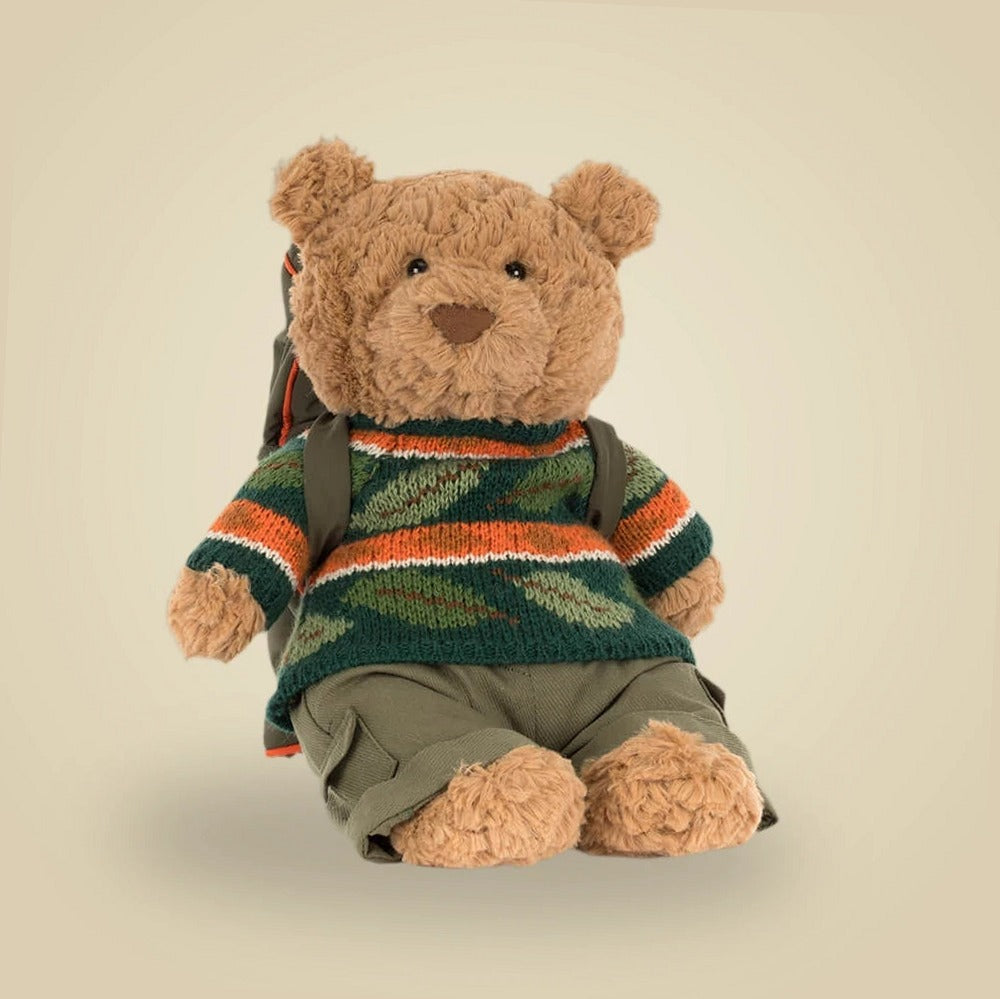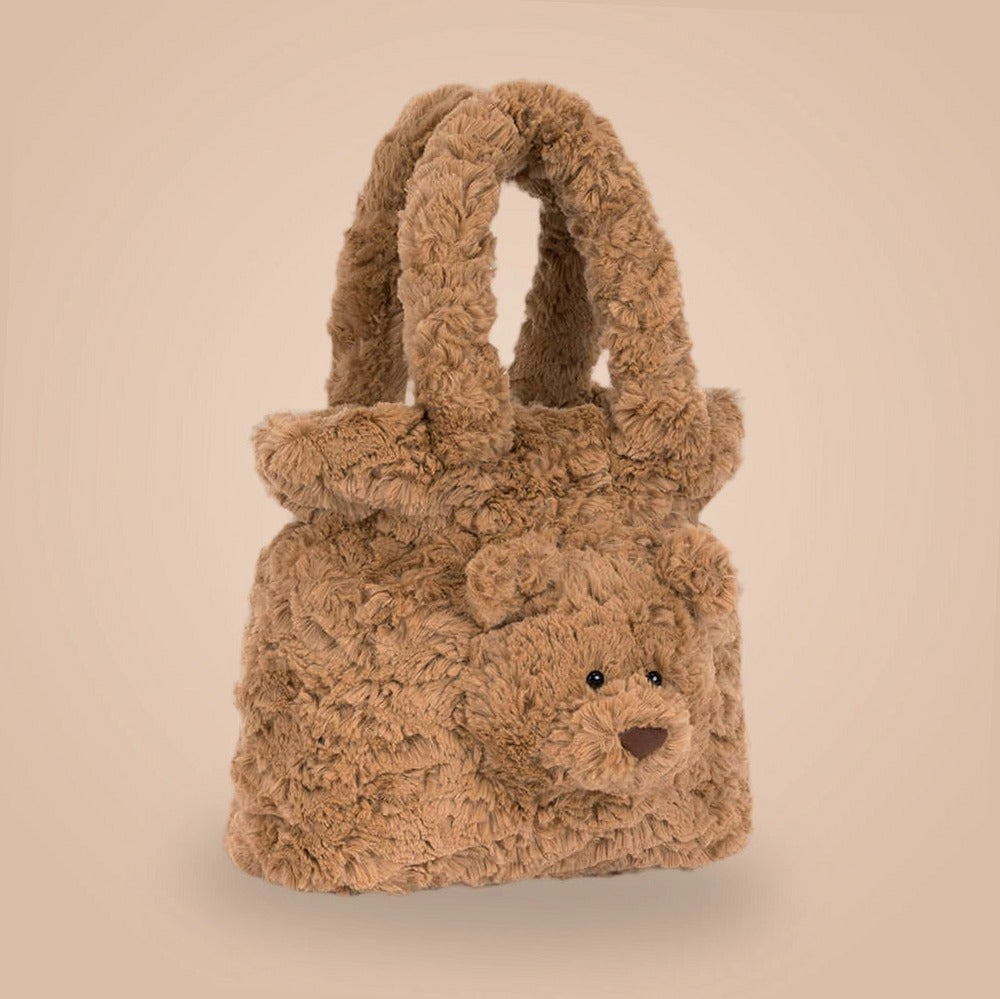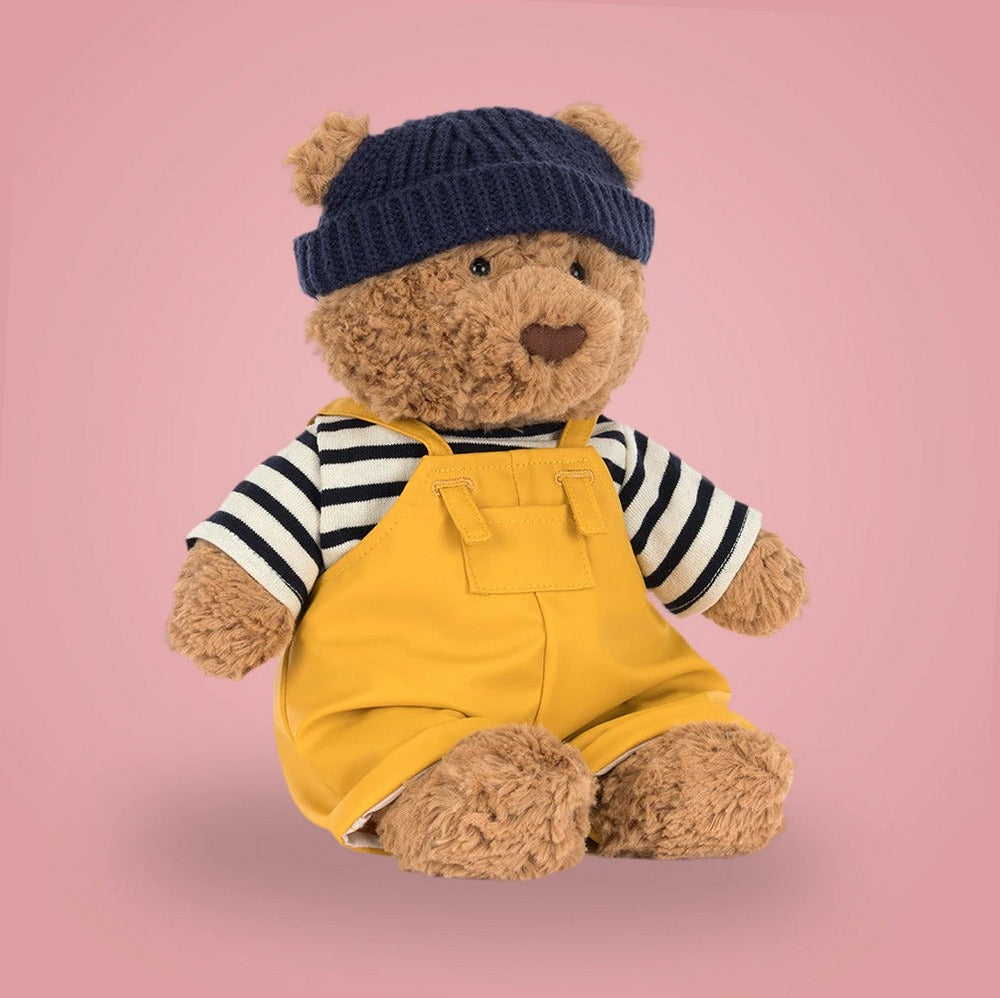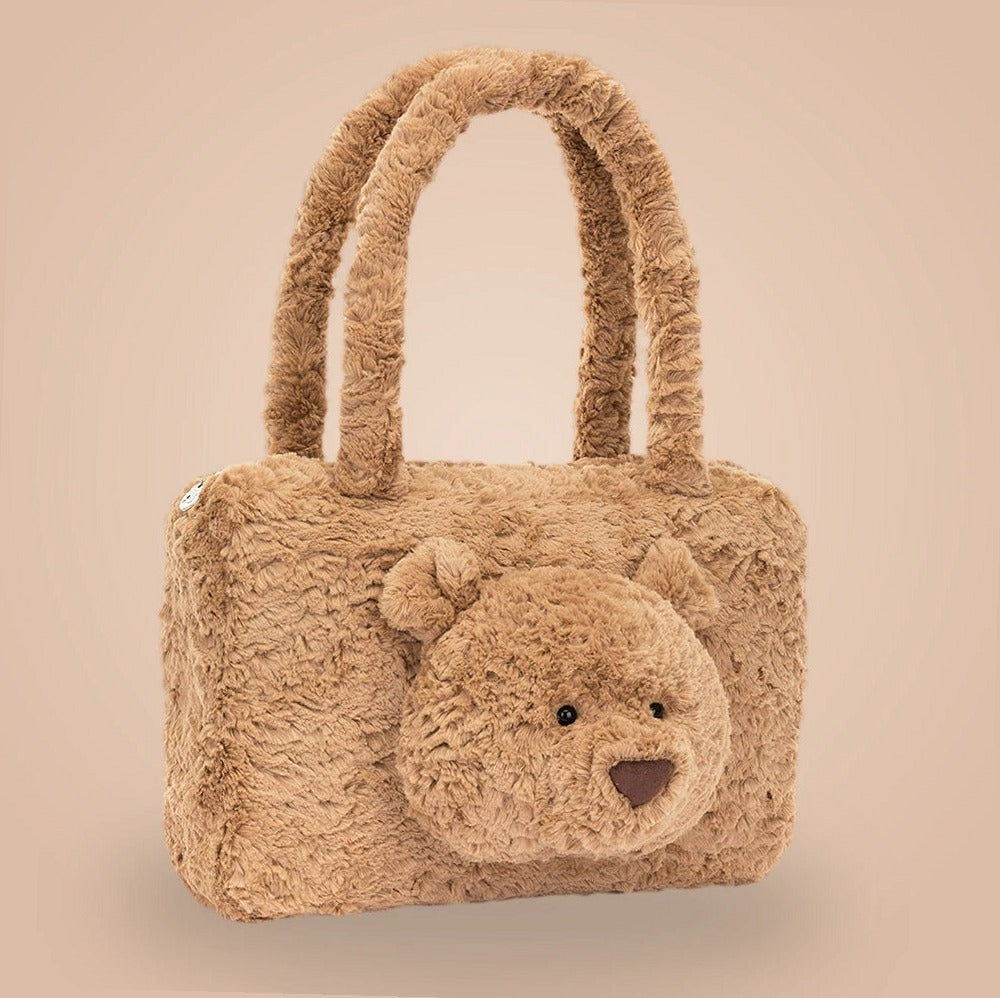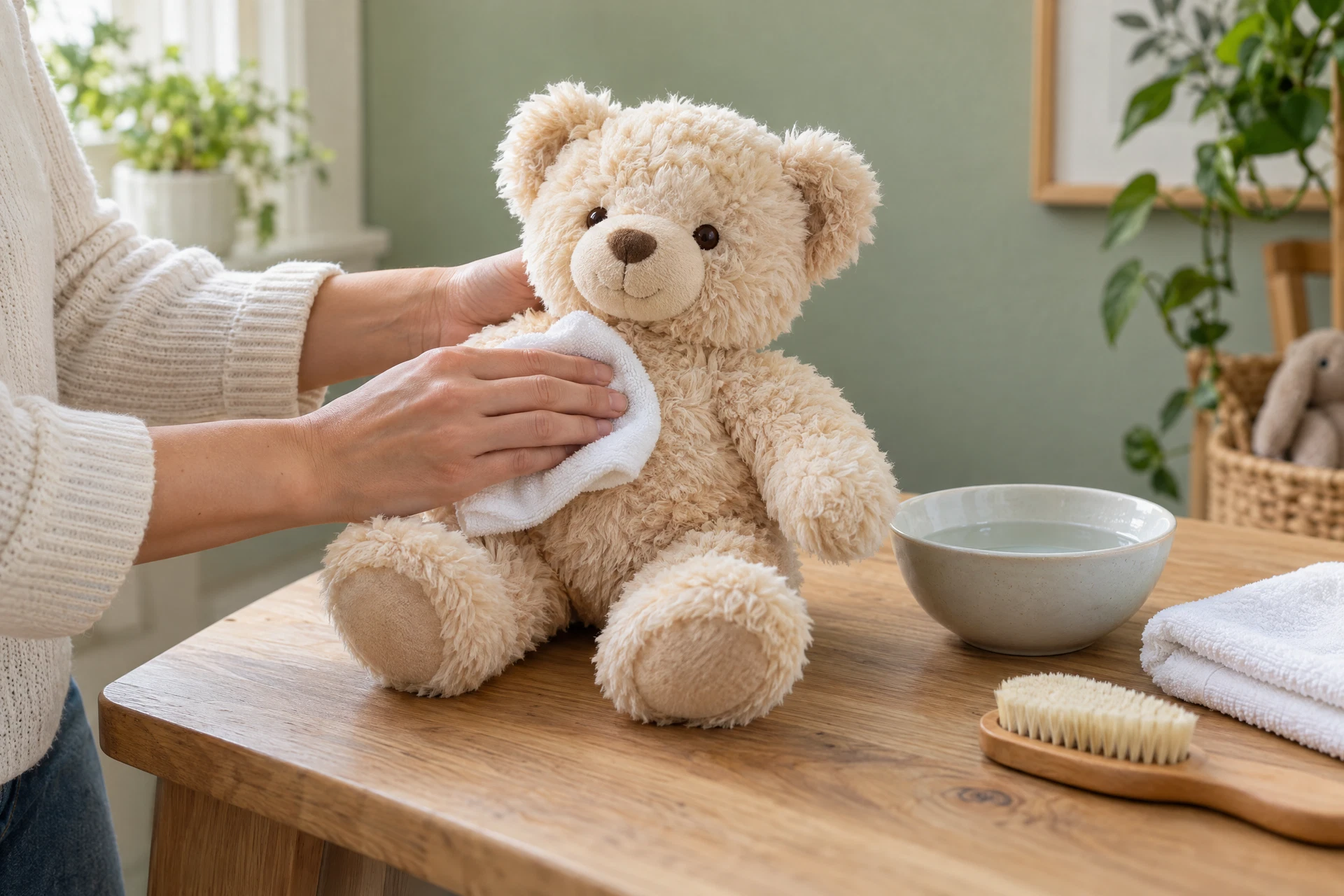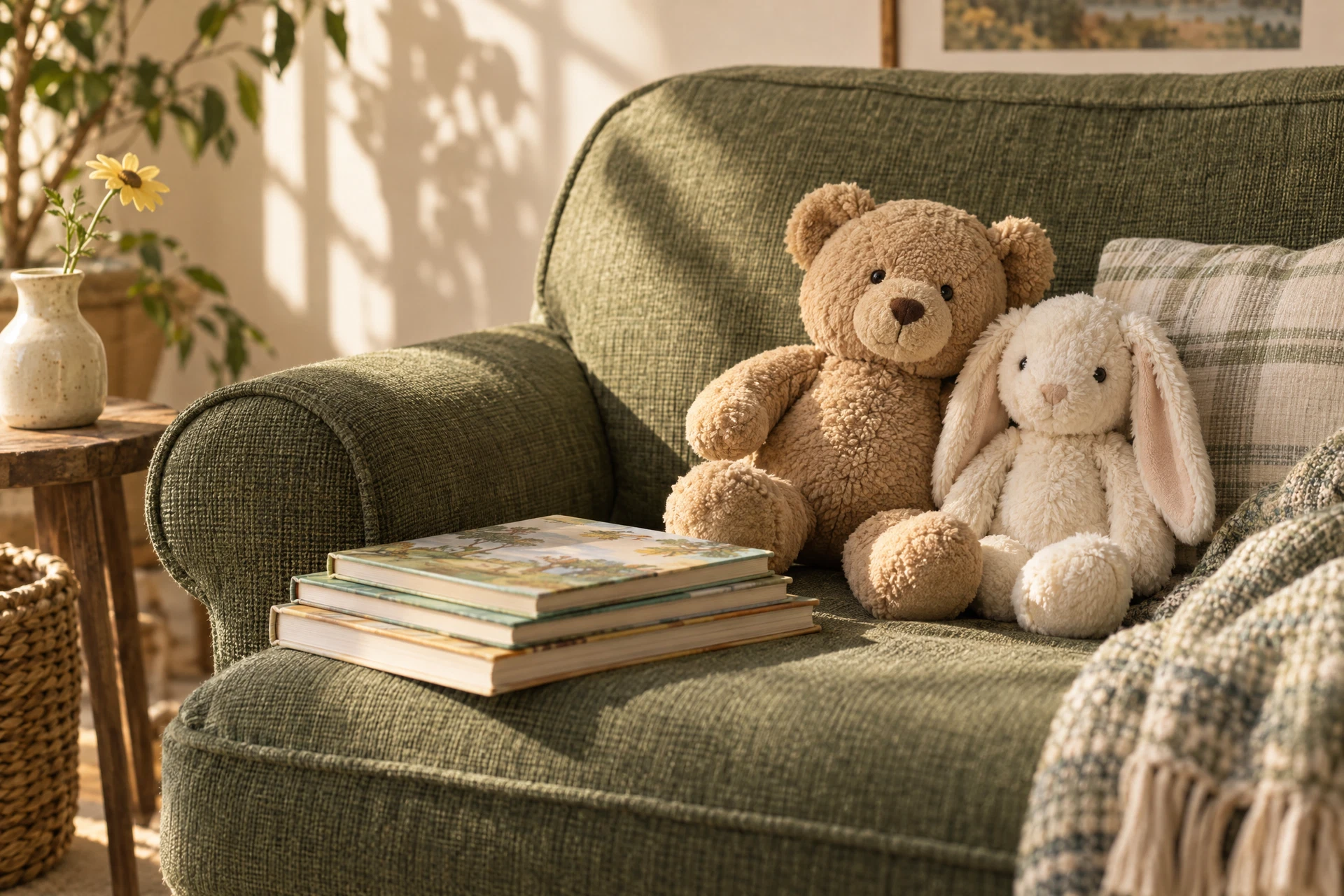
Online photos are often the only sensory information a shopper has when choosing a plush. Understanding plush toy textures through product photos is about learning to translate visual cues into tactile expectations: pile length, fabric type, stitch density, and how manufacturing details affect softness, durability, and care. This article focuses on how to read those cues in images so you can make a more confident purchase or present clearer product pages if you sell toys.
Start with a few consistent visual checkpoints and build a small testing routine: examine zoomed-in shots, compare seams and tag close-ups, and note any styling choices that obscure texture. Later sections offer checklists, common mistakes, and an actionable example that walks through a purchase decision using only photos and descriptions.
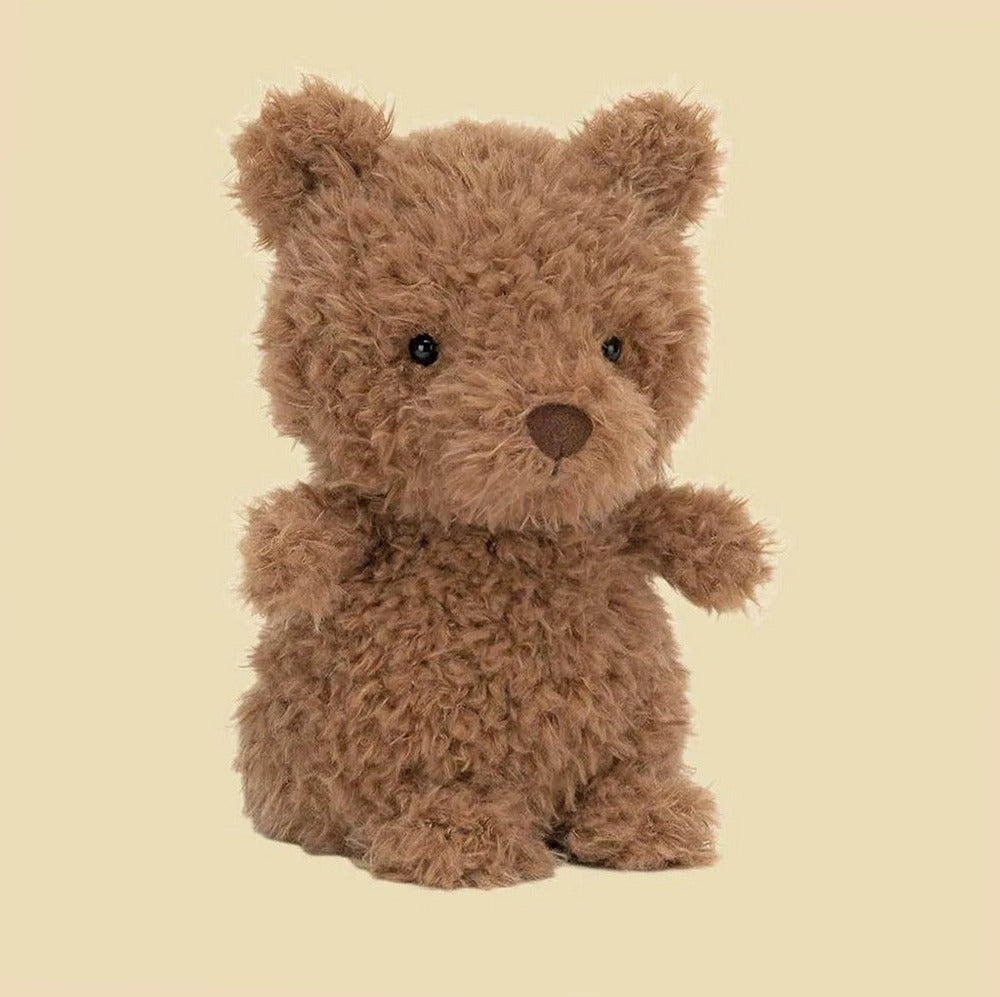
How Pile Length and Direction Show Up in Photos
Pile length — the height of the fibers — is one of the most visible features in a well-lit photo. Short pile appears smooth and tight, with minimal shadowing between fibers; medium pile shows a soft fuzz that catches light differently across the surface; long pile looks shaggy and has obvious strand separation. Look for directionality: if the pile lies in one direction, the surface will show light and dark bands as the nap shifts, which tells you about fiber density.
Concrete checklist: zoom to a close-up of the torso or ear, rotate the image if possible, and observe whether the fibers separate easily. If lighting creates strong specular highlights, the pile may be synthetic with a sheen; if the surface appears matte, expect a more natural or brushed finish. For sellers, include a macro shot of pile lying in two opposite directions to demonstrate nap behavior.
Fabric Sheen, Color Saturation, and Perceived Softness
Sheen often correlates with fabric type: velour and satin-like synthetic blends reflect more light and look ‘slick’ in photos, whereas chenille and brushed cotton appear muted. Be cautious: aggressive studio lighting and post-processing can exaggerate sheen or mute texture. Examine the color saturation across the piece; consistent saturation suggests a uniform dye and finish, while bands or patchy tones can signal uneven fiber density or photo edits that hide texture flaws.
Decision criteria: if you prefer a matte, fluffy feel, prioritize images with low sheen and visible fiber edges. If the photo shows glossy highlights, expect a slicker surface that may feel less plush. Sellers might add a short note in the image caption about the finish (e.g., low-sheen plush) and include a close-up of a hand gently ruffling the fabric to convey tactile response.
Seam Detail, Embroidery, and Attachment Points
Seams and attachment points are critical clues to construction quality and how texture behaves at joins. High-quality seams sit flat with small, even stitches; poor seams create puckering or expose backing material. In photos, examine how the plush’s pile meets the seam — does the fiber cover the stitching neatly, or is there a visible gap? Embroidery on faces can compress pile and alter the feel locally, so look at how these features integrate.
Common mistake: zooming out and missing close-ups of seams. Always demand or provide an image that shows a seam at least once in the gallery. For buyers, if a seam appears bulky or poorly finished in the photo, factor in a higher chance of wear there; for retailers, include a seam close-up to set accurate tactile expectations and reduce returns.
Tags, Labels, and Care Clues Visible in Photos
Tags and labels in product photos tell you more than brand and safety info — they hint at fabric blends and care instructions that influence texture longevity. A tag that lists acrylic or polyester suggests a synthetic plush that holds pile shape, while references to cotton or rayon typically indicate a softer, flatter feel. Always zoom into label shots to read fabric content and any care symbols; these will guide your expectations for how the plush behaves after washing or handling.
Practical tip: ask the seller or examine images for a clear, legible tag close-up before buying. For retail product pages, include at least one in-focus photo of the manufacturer label and a short caption summarizing the fabric content exactly as printed, so shoppers can judge texture durability and care responsibilities themselves.
Lighting and Color Profiles That Mask Texture
Studio lighting can either reveal or hide texture. Hard, directional light emphasizes fiber shadows and depth, making pile appear more textured; diffuse lighting evens out surface details and can make plush seem softer than it is. Beware of images with very even skin tones and no shadows — they sometimes use smoothing filters that reduce visible nap and misrepresent tactile qualities.
Checklist for spotting masking: look for blown-out highlights, unusually smooth skin tones on faces, or a lack of micro-shadowing around seams and sculpted features. If you see heavy smoothing or oddly even textures, request an additional image with side lighting or a hand in-frame to provide scale and reveal the true pile.
Scale, Props, and How They Inform Texture Expectations
People, hands, or common objects in photos provide necessary scale and tactile context. A hand ruffling a plush shows how the pile reacts and how dense the fabric appears; props like a chair or blanket illustrate drape and structure. When comparing two similar-looking toys, identical props across images let you judge relative plushness more reliably than isolated photos with varying setup.
Actionable example: when choosing between two bears, compare the same prop — a hand — in both photos. If Bear A’s pile compresses visibly and springs back, expect resilient texture; if Bear B’s pile flattens and stays matted in the image, anticipate a softer, less recoverable nap. For retailers, include a standard prop photo in every listing to normalize customer expectations.
Common Mistakes Shoppers Make Reading Plush Photos
One frequent mistake is overvaluing zoomed-out lifestyle shots and ignoring macro images. Lifestyle images are great for mood but can obscure texture details. Another error is interpreting glossy highlights as softness; sheen often means low-friction synthetic fiber, not plushness. Finally, shoppers sometimes assume a product’s color fidelity guarantees accurate texture portrayal — a correct color doesn’t imply an accurate tactile representation.
Checklist to avoid these mistakes: demand or examine macro shots, check tags and seams, include a hand or standard prop for scale, and cross-reference the descriptions with visible fabric behavior. If any photo lacks clear texture cues, treat the listing as incomplete and either ask for more images or be conservative in your expectations.
Putting It All Together: A Small Decision Example
Imagine you’re choosing a plush from two listings. Listing A shows glossy highlights, no seam close-ups, and a single lifestyle photo. Listing B offers three close-ups: pile in two directions, a visible seam with even stitching, and a tag photo listing polyester. Using the photo-based criteria above, Listing B suggests a medium-pile synthetic plush with solid construction; Listing A’s sheen hints at a slick finish and incomplete disclosure.
Decision checklist: prefer the listing with macro pile shots, clear seam detail, and a legible tag. If both are ambiguous, ask for a hand-in-photo or a side-lit close-up. For those selling, this same example shows why including specific images reduces uncertain purchases: provide a hand ruffling the pile, a seam close-up, and a label image to answer the common tactile questions buyers will have.
When to Ask for More Information and What to Request
If key photo cues are missing, request targeted images: a macro shot of pile lying in two directions, a seam and attachment-point close-up, and a tag or label image. Ask the seller to show a hand or coin for scale and to take an image with side lighting to reveal texture depth. Also inquire directly about fabric content and care instructions if the label isn’t legible in existing photos.
Concluding practical reminder: good product images and clear label photos reduce surprises. If you trade or source plush professionally, establishing a checklist for suppliers to include these shots upfront saves time and lowers returns. For shopping questions you can use the site contact form on the contact page or explore similar items like those in our the Bears collection and read general product/Care guidance at our care guide for planning handling and storage.
Explore the details before choosing
Take a closer look at Bears, review our plush and clothing care guidance, or ask about specifications and availability before making an order request.